Stool Dysbiosis Test: What It Shows and Is It Worth It
Reviewed by the LabReadAI medical team
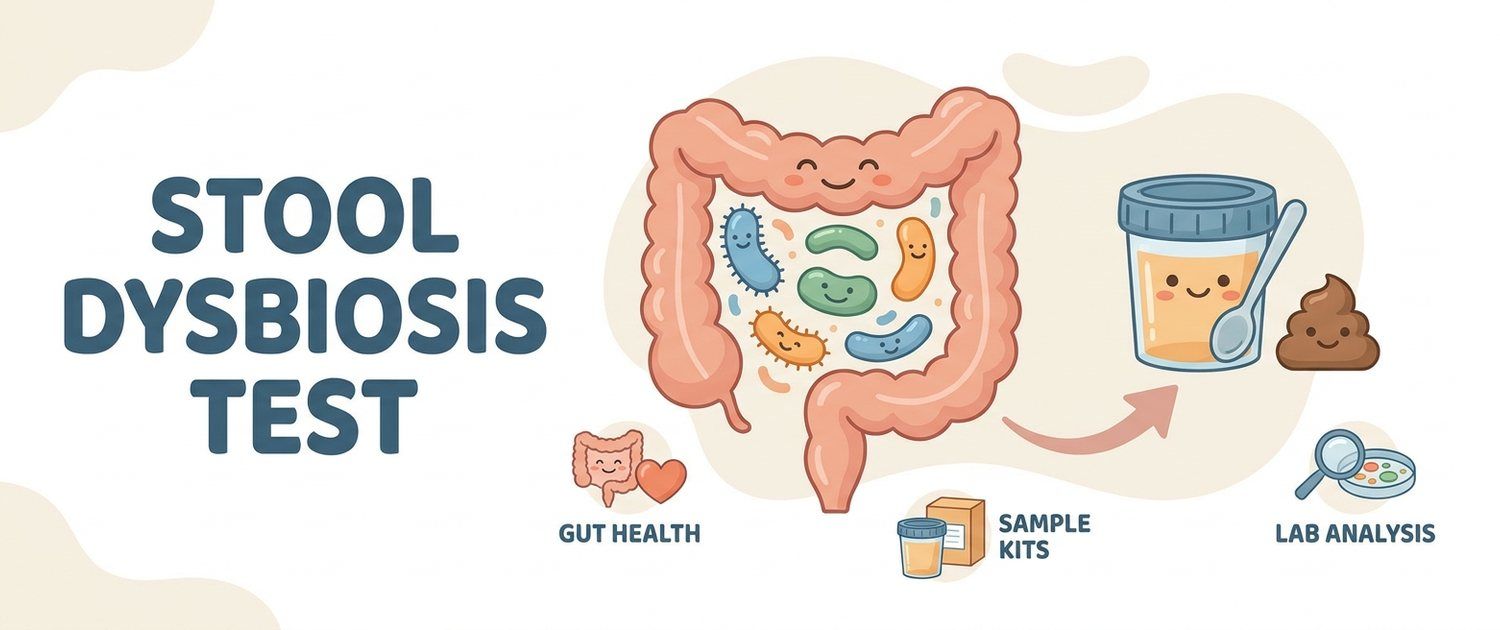
A stool dysbiosis test is ordered often in some countries yet barely used in Western medicine. Let's look at it calmly and without extremes: what this test supposedly shows, why its result is treated with caution, and which tests a doctor orders to find the real cause of gut trouble.
What a Stool Dysbiosis Test Shows
The idea is simple: to assess the balance of the microflora — how many "good" bacteria (bifido-, lactobacteria) live in the gut, how many opportunistic ones, and whether "bad" microbes are overgrowing. The report usually lists groups of microbes and their count in colony-forming units. By design this is meant to reflect the state of the gut microflora.
Why the Dysbiosis Test Result Is Controversial
The problem is that the test is poorly reproducible. Stool contains only a small fraction of gut bacteria, many of which do not grow on ordinary media at all. The sample composition depends on diet, delivery time to the lab and the method. So the same portion of stool often gives different results in different labs, and "deviations" do not always mean anything.
Is Dysbiosis a Real Diagnosis or Not
There is no standalone "dysbiosis" diagnosis in the international classification of diseases. Doctors accept that the microflora can indeed be disturbed (for example after antibiotics), but they do not consider that this state is reliably measured by a stool dysbiosis test. So abroad, for gut complaints, they look for specific, proven causes.
Which Tests Are Ordered Instead: Stool Exam and Others
To find the real cause, a doctor more often chooses other studies: a stool exam (digestion, inflammation, blood), a fecal occult blood test, a test for parasites, tests for gut infections, and specific antibodies if celiac disease is suspected. These tests answer clear questions rather than just "counting bacteria".
Which Symptoms People Come With
Usually a dysbiosis test is requested for bloating, rumbling, unstable stool (now constipation, now diarrhea), belly pain, and less often skin rashes. But such symptoms can occur with irritable bowel syndrome, lactose intolerance, gastritis or infection. So it is important not to "treat the test" but to find the cause of the symptoms.
How a Stool Dysbiosis Test Is Taken
If the test is ordered anyway, stool is collected into a sterile container and delivered to the lab quickly (delay distorts the result). A few days before, probiotics and some medications are stopped in agreement with a doctor. But even with perfect collection the numbers should be treated as a guide, not a precise diagnosis.
What to Do with a Dysbiosis Result
Do not prescribe treatment from the report. "Deviations" in a dysbiosis test without symptoms usually require nothing. If there are complaints, a doctor assesses them together with a stool exam and other tests. To understand a confusing report a decoding helps: you can upload it for decoding and leave the treatment decision to a specialist.
A classic case of ordering this test in vain is infant evening crying — see infant colic.
This article is for informational purposes only and does not replace a doctor's consultation. A stool dysbiosis test is not a reliable standalone diagnosis — a specialist assesses the outcome.
For informational purposes only
This article is for informational purposes only and does not constitute medical advice, diagnosis, or treatment. Please consult a healthcare professional for medical guidance.