Fasting Blood Test: What It Means and Which Tests Need It
Reviewed by the LabReadAI medical team
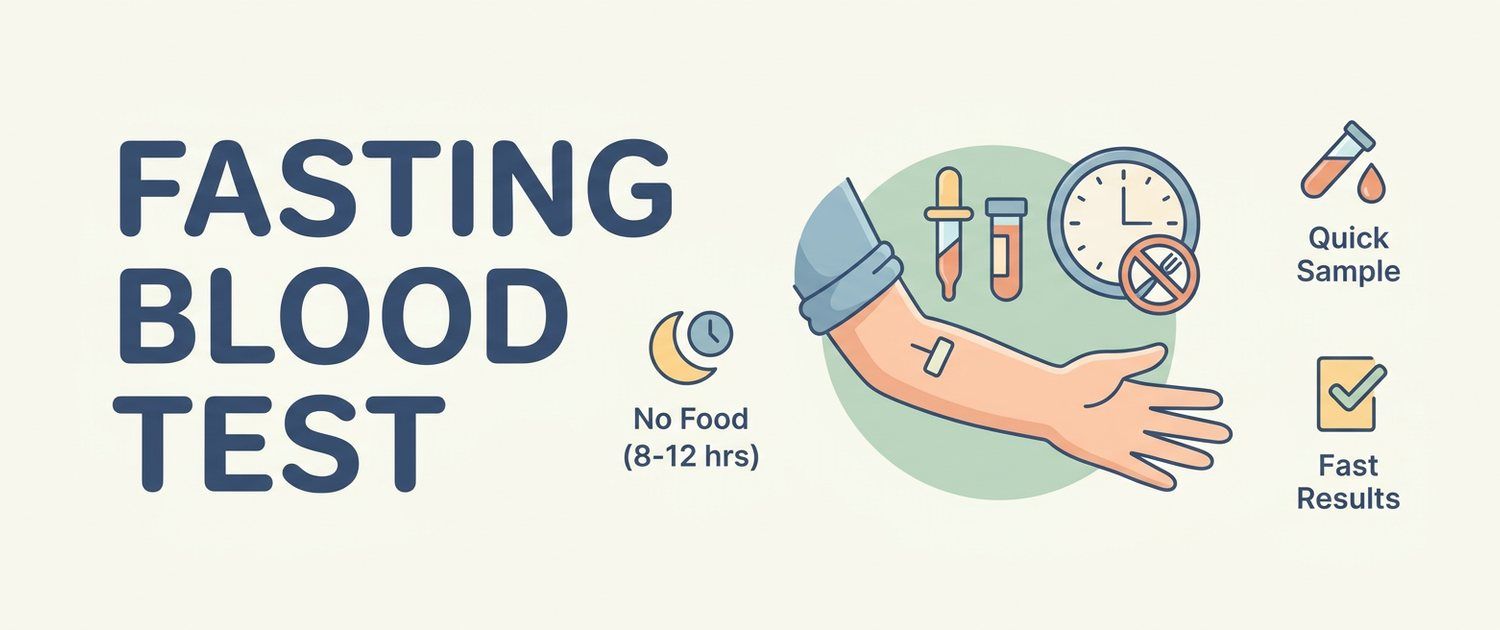
"Take it fasting" is a phrase everyone has heard, but people read it differently: some drink no water at all, others have "sugar-free" coffee and wonder at a strange glucose. Let's sort it out calmly: what a fasting blood test means, how many hours you really cannot eat, which tests truly need fasting and which do not.
What a "Fasting Blood Test" Means
Fasting means you have not eaten for a certain time before the blood draw — most often 8–12 hours. In that time food is absorbed and blood values are not distorted by a recent meal. Blood is usually taken in the morning after the overnight gap in eating — this is the most natural "fasting" state.
How Many Hours Not to Eat and Whether Water Is Allowed
The standard for most tests is 8–12 hours without food. Plain water is allowed and even advised so you are not dehydrated — it makes the draw easier. But coffee, tea, juice, milk, sugary gum and cigarettes do not count as "fasting": they change metabolism and can distort the result. Alcohol is best avoided for a day or two. What counts as water, what does not, and when the rules get stricter is covered in water before a blood draw.
Which Tests Truly Need Fasting
Fasting is essential for values that directly depend on food: fasting glucose (diabetes diagnosis), the lipid profile (cholesterol and triglycerides), insulin and some load tests. After eating these numbers naturally rise, so blood for them is taken strictly fasting.
Which Tests Do Not Require Fasting
Many tests do not need fasting. A complete blood count, TSH and most hormones, as well as many infectious and immunological tests, can be taken at any time of day. Strict fasting for them is needless stress with no benefit. If you are unsure whether your test needs fasting, check with the lab or your doctor.
Medications and Habits Before the Draw
Vital medications (for example for blood pressure or the thyroid) are usually not stopped — an abrupt stop is more dangerous than the effect on a test. But the timing and drug are best agreed with a doctor: some tests are taken before the morning dose. Smoking and exercise before the draw can also change values.
Practical Tips: How to Take It Right
Plan the draw for the morning, have a light dinner the evening before no later than 8–12 hours ahead, drink water, do not smoke and do not exert yourself before the draw. General preparation rules are gathered in how to prepare for a blood test. If surgery is ahead, some tests are also taken fasting — see tests before surgery.
What to Do with the Results
Even a properly fasted test is not yet a diagnosis. A single out-of-range number often needs a retest or a doctor's view, especially if preparation was not perfect. A decoding helps you understand the report before your visit: you can upload it for decoding and see which questions to ask the specialist.
This article is for informational purposes only and does not replace a doctor's consultation. Check the preparation rules for your specific test with the lab and a specialist.
For informational purposes only
This article is for informational purposes only and does not constitute medical advice, diagnosis, or treatment. Please consult a healthcare professional for medical guidance.