Which Tests to Take to Check the Liver: The Full List
Reviewed by the LabReadAI medical team
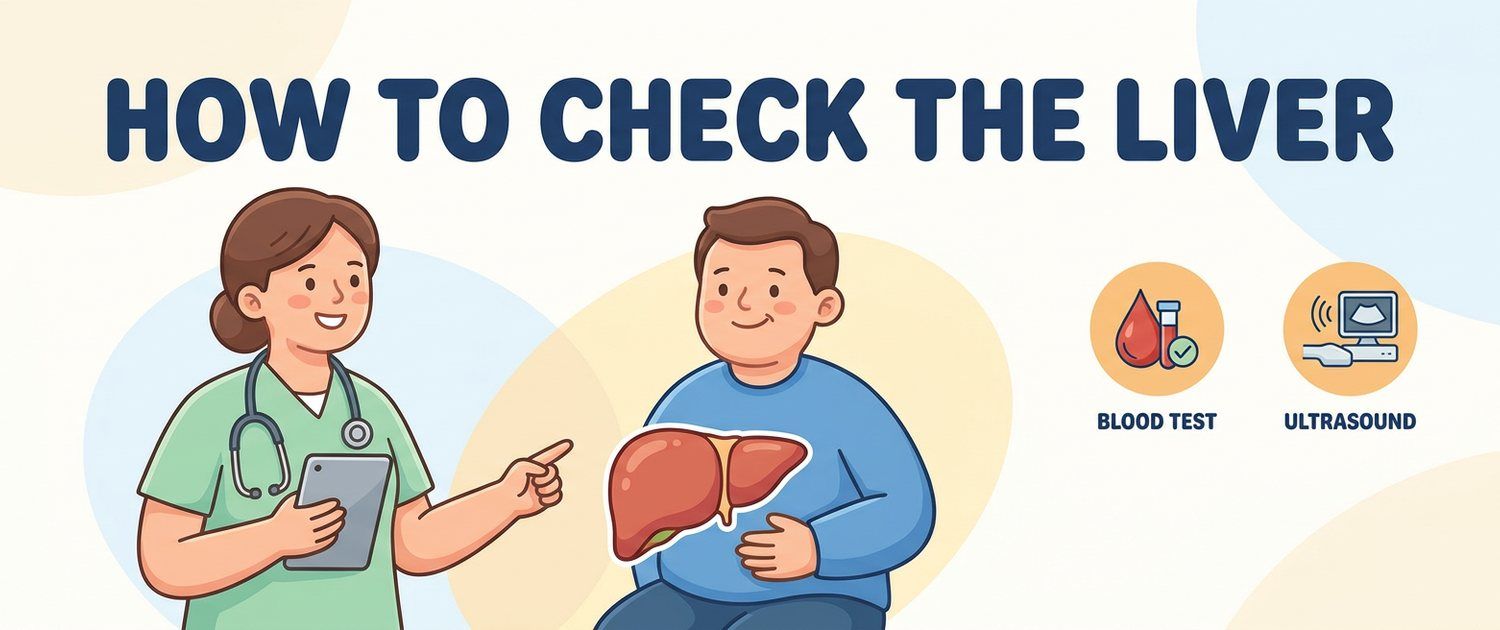
"How do I check the liver and which tests should I take?" is a question that comes up after the holidays, a course of medication, or simply from wanting to take care of yourself. The good news: a basic liver check is a few accessible blood tests plus an ultrasound, and there is no need to "test everything". Let's sort out where to start, what deviations mean, and when you should definitely get checked.
How to Check the Liver: Where to Start
The liver works without complaints for a long time, so it is checked in the lab even when nothing bothers you. A basic check has two parts: blood biochemistry (a set of liver markers) and ultrasound (a picture of the organ's structure). It is sensible to start with exactly this pair, and a doctor adds deeper tests based on the results. The general approach to prevention is in the article on which tests to take to check your body.
Which Tests to Take to Check the Liver
A sensible set to check the liver: ALT and AST (cell-damage enzymes), GGT (sensitive to bile and alcohol), bilirubin (bile processing and flow), ALP (alkaline phosphatase, bile stasis), plus albumin and total protein (the liver's synthetic work). Together these give a picture of what exactly is suffering — the cells, the bile flow, or protein synthesis.
What Raised ALT and AST Mean
ALT and AST are intracellular enzymes that enter the blood when liver cells are damaged. Their rise indicates inflammation or damage, but is nonspecific: causes vary — from fatty liver and medications to viruses. A small rise is often reversible, while a sharp rise needs attention. What matters is not one number but the combination of markers and the trend, which a doctor assesses.
GGT, Bilirubin and Alkaline Phosphatase
This group reflects bile flow. GGT is especially sensitive to alcohol and bile stasis; the marker is covered in detail in the article on reading GGT. Bilirubin rises when bile processing or flow is impaired and in marked cases causes jaundice. Alkaline phosphatase rises with cholestasis (bile stasis) but can also be high for bone reasons. They are read together.
Liver Ultrasound to Complement the Tests
Blood tests show function, while ultrasound shows structure: liver size, signs of fatty disease, the state of the gallbladder and ducts. It is a safe, accessible method that complements biochemistry well. A common finding is fatty liver disease, visible on ultrasound even before major changes in the tests. Whether ultrasound is needed and how often is decided by a doctor.
When You Should Check the Liver
It is sensible to check the liver with regular medication (especially potentially liver-toxic drugs), regular alcohol, excess weight and metabolic syndrome, after past hepatitis, and with symptoms: right-side heaviness, jaundice, persistent fatigue, nausea. If jaundice and dark urine appear, that is a reason to see a doctor without delay.
What to Do with the Results
A single "bad number" without symptoms is often not a disease but a reason to retest or show a doctor. A diagnosis is not made from one report. If the results are unclear, you can upload them for decoding — the service explains the values in plain language and suggests questions for your doctor.
This article is for informational purposes only and does not replace a doctor's consultation. Liver markers and ultrasound are assessed by a specialist in the context of history and the clinical picture.
For informational purposes only
This article is for informational purposes only and does not constitute medical advice, diagnosis, or treatment. Please consult a healthcare professional for medical guidance.