Which Tests to Take to Check the Thyroid: A Clear Plan
Reviewed by the LabReadAI medical team
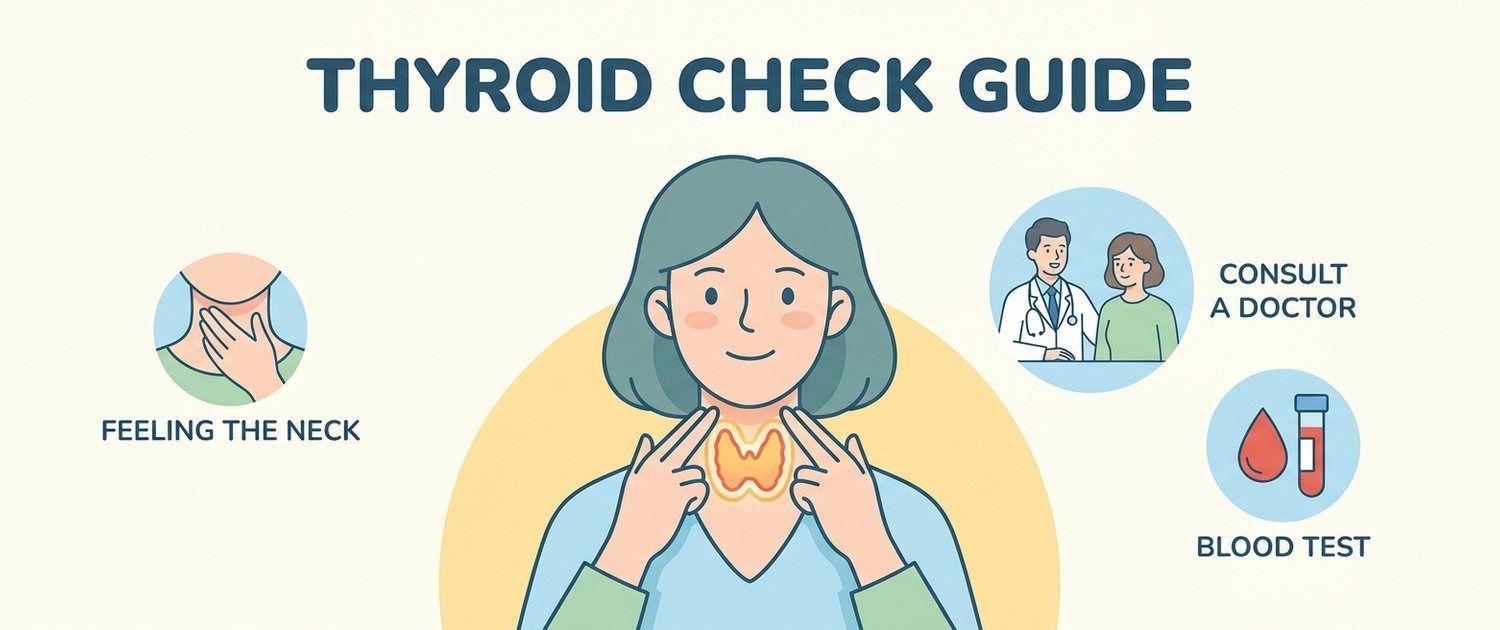
"How do I check the thyroid and which tests should I take?" is a common question with fatigue, weight change or unexplained palpitations. The good news: checking the thyroid almost always starts with one simple test, not a long list. Let's sort out a sensible plan — where to start, what to add if there are deviations, and when you should definitely get checked.
How to Check the Thyroid: Where to Start
The thyroid sets the "metabolism": it affects energy, weight, temperature, mood and the heart. There is no need to check it with "all the hormones" at once — there is a logical order from one marker to clarifying ones. It is sensible to start with a basic screen and complaints, going deeper based on the result. The general approach to prevention is in the article on which tests to take to check your body.
Which Test to Take First: TSH
The first and main step is TSH (the pituitary's thyroid-stimulating hormone). This is the most sensitive marker: it changes earlier than the others, and often it alone is enough to see whether the gland works normally. If TSH is normal and there are no complaints, that is usually enough. TSH is where it is sensible to start any thyroid check.
Free T4 and T3: When They Are Added
If TSH is out of range, free T4 (the main thyroid hormone) is added, and free T3 if needed. This pair clarifies whether it is underfunction (hypothyroidism) or excess (hyperthyroidism) and how marked the deviation is. Taking T4 and T3 "just in case" with a normal TSH is usually unnecessary — they are ordered based on the first step.
Anti-TPO Antibodies: The Autoimmune Cause
When function is disturbed, it is important to understand the cause. Anti-TPO antibodies point to autoimmune damage of the gland (Hashimoto's thyroiditis — a common cause of hypothyroidism). They are checked not for everyone but with an abnormal TSH or a suspected autoimmune process. Positive antibodies explain why the gland failed, but it is the function, not the "antibodies", that is treated.
Thyroid Ultrasound: Structure and Nodules
Blood tests show function, while ultrasound shows structure: the gland's size, uniformity and any nodules. Ultrasound is ordered not for everyone but with a palpable mass, a change in volume or on a doctor's decision. The topic is covered separately in the article on thyroid nodules — most nodules are benign, but a doctor assesses them.
What High and Low TSH Mean
Simply put: a high TSH more often means reduced gland function (hypothyroidism) — fatigue, cold intolerance, weight gain; this is covered in detail in the article on hypothyroidism. A low TSH means increased function (hyperthyroidism) — palpitations, sweating, weight loss. But one out-of-range result is not a diagnosis: clarifying hormones and a look at the trend, done by a doctor, are needed. It is worth knowing separately that attention can be impaired even in subclinical hypothyroidism — which is why TSH belongs to the starting set when the complaint sounds like scattered attention: what steals your attention.
When You Should Check the Thyroid
It is sensible to check the thyroid with persistent fatigue, unexplained weight change, palpitations, cold intolerance or sweating, hair loss, and cycle and mood disturbances. TSH is also part of the work-up when planning and during pregnancy. If such symptoms bother you, start with TSH and discuss the result with a doctor.
This article is for informational purposes only and does not replace a doctor's consultation. Thyroid hormones and ultrasound are assessed by a specialist in the context of complaints and history.
For informational purposes only
This article is for informational purposes only and does not constitute medical advice, diagnosis, or treatment. Please consult a healthcare professional for medical guidance.