Dog Not Eating: Causes, Tests and When to See a Vet
Reviewed by the LabReadAI medical team
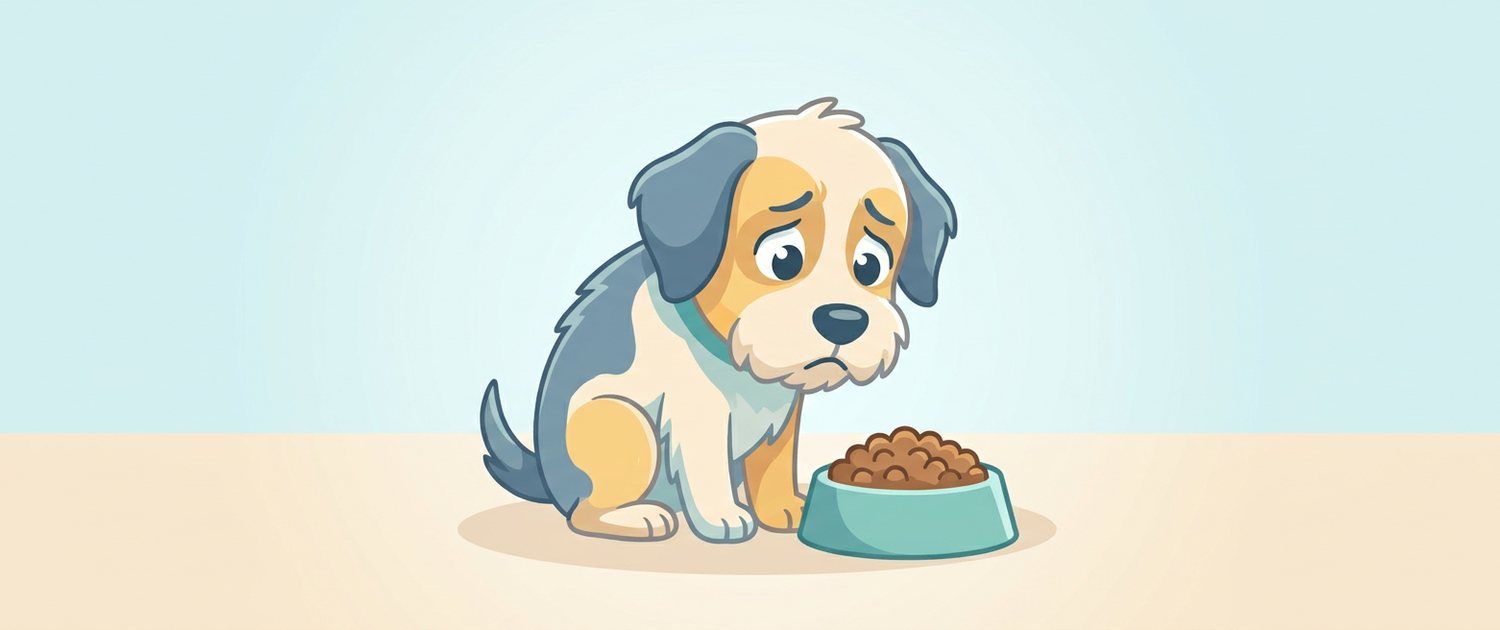
Refusing food is one of the most common reasons an owner worries. Sometimes a dog is not eating over something trivial (heat, fussiness, a new food), and sometimes loss of appetite is the first sign of serious illness. Let's break down why a dog is not eating, when it is dangerous and what tests help find the causes.
Why a Dog Is Not Eating: Common Causes
- Behaviour and environment: stress, a move, heat, a new food, being spoiled with treats.
- Pain and teeth: dental and gum problems, pain anywhere.
- GI tract: poisoning, a foreign body, gastritis, pancreatitis — often with vomiting and diarrhoea.
- Internal disease: kidneys, liver, infections, endocrine disorders.
- Medications and vaccines: a temporary drop in appetite after vaccination.
When Refusing Food Is Dangerous (Red Flags)
See a vet urgently if the dog is not eating for more than a day (a puppy — more than 12 hours) or refusal comes with:
- vomiting, diarrhoea or, conversely, no stool;
- lethargy, trembling, abdominal pain;
- pale or yellow gums;
- trying to eat but stopping (mouth pain), or unproductive retching (dangerous — gastric torsion).
Dog Not Eating but Drinking or Lethargic
If the dog drinks but is not eating, that is a little calmer than a total refusal, but beyond a day it still warrants a work-up. Not eating and lethargic is a more worrying combination: lethargy plus refusal often signals pain or systemic illness and needs a prompt exam. How the apathy itself is worked through — from anaemia and pain to the heart and kidneys — is covered in a lethargic dog. If a cough appears alongside the refusal, the range of causes shifts to breathing and the heart: see a coughing dog.
What Tests to Run
Baseline — a complete blood count and biochemistry: they show inflammation, liver and kidney state, glucose. How to read them is in dog blood test. Organ structure and foreign bodies are shown by ultrasound for dogs and cats. If there is vomiting, see vomiting in dogs.
What to Do at Home (No Red Flags)
If the dog is active, without vomiting or diarrhoea, and skipped one meal: remove treats, offer the usual food a few hours later, ensure water and rest, rule out heat. Do not force-feed and do not give human painkillers. No improvement within a day — see a vet.
To understand your pet's tests in plain language, upload the form (PDF or photo) to the pet results interpretation service: the AI will explain the markers for the species. This helps you understand the result but does not replace a vet.
If the appetite disappeared after the dog picked something up outdoors or ate something spoiled, the return to the usual food has to be gradual — the order is described in feeding after poisoning. When other changes join the refusal, describe the whole picture on the dog symptoms page — it makes clearer what to discuss with the vet.
This article is informational. Diagnosis and treatment of your pet are the job of a veterinarian.
For informational purposes only
This article is for informational purposes only and does not constitute medical advice, diagnosis, or treatment. Please consult a healthcare professional for medical guidance.