Formula · 4.7
Brand · 7.3
Avène · concentrate, 25% milk thistle extract · France
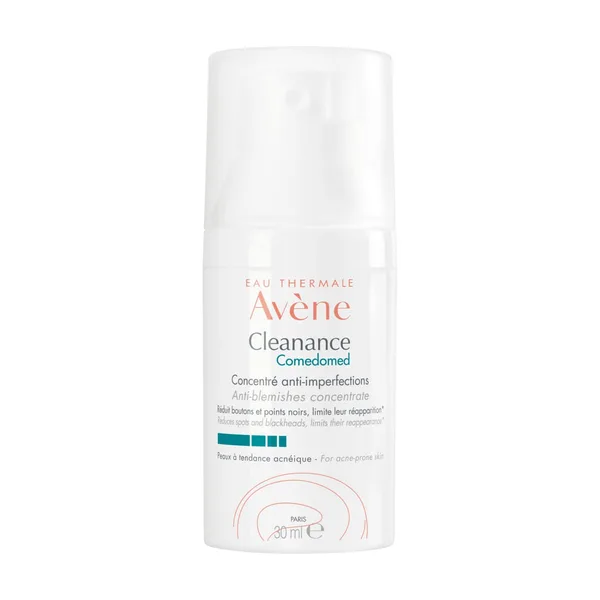
Avène Cleanance Comedomed
LabReadAI label score
How the score is calculated- Actives and evidence0.4Little evidence of effect
- Active concentration1.0Concentration within the working range
- Completeness for the purpose0.2For “acne and blackheads” — 20 %; without a BHA (salicylic acid) that clears pores from inside; without a retinoid — the main tool against new plugs; without benzoyl peroxide — the best-proven agent against acne bacteria; could be added without conflict: retinoid, benzoyl peroxide, salicylic acid (bha); a formula with one main purpose
- Tolerance1.0No ingredients from irritant or allergen lists
- adults
- acne-prone
- oily skin
Ingredients — 10 components, 1 of them active
The rest is the formula base: it holds texture, shelf life and application, and is not meant to act.
What works: 1 of 10 ingredients: milk thistle fruit extract. Acne products work on four fronts: dissolve plugs (acids), calm inflammation (azelaic acid, niacinamide, zinc), kill bacteria (benzoyl peroxide, tea tree) and prevent new plugs (a retinoid). One active per front is enough; two or three different fronts work noticeably better.
Strengths: active concentration, tolerance
What lowers the score: actives and evidence: little evidence of effect; completeness for the purpose: for “acne and blackheads” — 20 %
Questions: no debatable ingredients in the formula
- Avene Thermal Spring Water (Avene Aqua base: coating, fillers · spring mineral water instead of plain water — the base of the product; the brand claims a soothing effect, independent comparisons with plain water are scarce
- Isopropyl Alcohol base: coating, fillers · a volatile solvent alcohol, evaporates without residue; does not clog pores
- PEG-6 base: coating, fillers · coating glazing agent
- Glycerin base: coating, fillers · a humectant: coats the tablet, holds moisture in creams and shampoos; does not clog pores
- Silybum Marianum Fruit Extract works · the active ingredient — what the product is for; form: fruit extract
- Silica base: coating, fillers · tune the acidity and texture; salt is a common shampoo thickener
- Polyacrylate-13 base: coating, fillers · hold the texture: gels, creams and foam do not separate
- Polyisobutene base: coating, fillers · soften, condition and carry the actives; the backbone of the texture
- Polysorbate 20 base: coating, fillers · cleanse and bind water with oils; milder than the sulfate ones
- Sorbitan Isostearate base: coating, fillers · a water-in-oil emulsifier; rarely clogs pores in leave-on face products
- Water (Aqua base: coating, fillers · water — the solvent and base; listed first because there is more of it than anything else; in supplements — part of the capsule shell
Avène Cleanance Comedomed is a product whose active ingredient is milk thistle fruit extract at a declared 25 %. There is little evidence of effect: milk thistle fruit extract against clogged pores: a drop in comedone counts was shown in the maker's own studies, with no independent work. The formula has 10 ingredients, 1 of which does the work; the rest is the formula base. Acne products work on four fronts: dissolve plugs (acids), calm inflammation (azelaic acid, niacinamide, zinc), kill bacteria (benzoyl peroxide, tea tree) and prevent new plugs (a retinoid). One active per front is enough; two or three different fronts work noticeably better. By the list, no alcohol (alcohol denat), sulfates (SLS/SLES), formaldehyde releasers, isothiazolinones (MIT/MCI), parabens, mineral oils and petrolatum, soap, silicones, fragrance, gelatin in the coating, toning dyes, tar. Suitable for: adults, acne-prone, oily skin. asteraceae allergy — not without a doctor. Use: morning and evening on clean skin. When to expect an effect: clogged pores — 4–8 weeks per the maker's data. Label score — 4.7 out of 10 (little evidence of effect; for “acne and blackheads” — 20 %; without a bha (salicylic acid) that clears pores from inside; without a retinoid — the main tool against new plugs; without benzoyl peroxide — the best-proven agent against acne bacteria; could be added without conflict: retinoid, benzoyl peroxide, salicylic acid (bha); a formula with one main purpose). Milk thistle is in the Asteraceae family: if you react to ragweed or mugwort, the brand advises a patch test first.
Who it does not suit
- asteraceae allergymilk thistle is in the same family as ragweed and mugwort
When to stop: redness and tightness — stop
Per the maker's leaflet: Milk thistle is in the Asteraceae family: if you react to ragweed or mugwort, the brand advises a patch test first.
Is this product right for your skin?
The score describes the formula, not your skin: the same product dries one person and saves another. Describe your skin type, reactions and goals, attach a photo of the ingredient list or the product — we will go through every ingredient and say whether it suits you, what to pair it with and what to avoid.