Formula · 1.8
Brand · 1.9
Белита · woad extract · Belarus
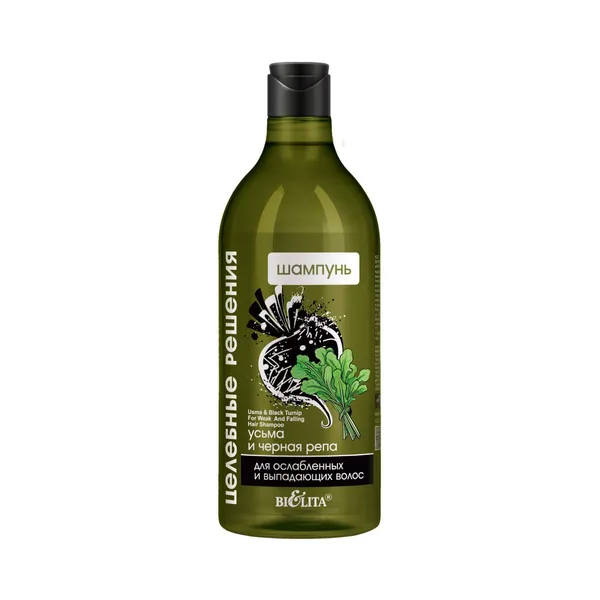
Belita Woad and Black Turnip Shampoo
LabReadAI label score
How the score is calculated- Actives and evidence0.1No proven effect when applied: woad extract
- Completeness for the purpose0.0For “hair shedding (topical)” — 4 %; niacinamide (vitamin b3); could be added without conflict: niacinamide (vitamin b3); below threshold: woad extract; a narrow formula for one purpose
- Cleansing base0.6Harsh surfactants: sodium laureth sulfate (SLES); mild surfactants: cocamidopropyl betaine, coco-betaine, mild surfactants and emulsifiers; irritation potential of the base — 36 % of SLS
- Tolerance0.2Rinse-off product; debatable groups: benzyl alcohol, cocamide DEA, isothiazolinone preservatives (MIT/MCI) (skin test positive in 6 of 100 tested), isothiazolinone preservatives (MIT/MCI), fragrance and its allergens (skin test positive in 13 of 100 tested)
- adults
- colour-treated hairwoad leaf contains indigo dyes: on light and bleached hair a shift of tone is possible
- pregnancyno studies in pregnancy — discuss with a doctor
- sensitive skinirritation possible
- atopic skinfragrance is a common trigger
- dry scalpmay dry
Ingredients — 19 components · 1 works
What works: 1 of 19 ingredients: woad extract. Topical products against shedding work weakly: only minoxidil is proven (a medicine we do not score); among cosmetics rosemary oil has moderate data, caffeine weak. The cause of shedding is found by tests: iron, thyroid, vitamin D.
What lowers the score: actives and evidence: no proven effect when applied: woad extract; completeness for the purpose: for “hair shedding” — 4 %; cleansing base: harsh surfactants: sodium laureth sulfate; tolerance: rinse-off product
Questions: sodium laureth sulfate (SLES): sodium laureth sulfate — the main cleansing surfactant; can dry a sensitive scalp — the reason people look for «sulfate-free»; unrestricted in rinse-off products; cocamide DEA — a thickener and foam booster. It is restricted: in the presence of nitrites diethanolamides can form nitrosamines, so the regulator caps secondary amines and forbids nitrosating additives; California lists it under Proposition 65.; fragrance and its allergens: fragrance, linalool, alpha-isomethyl ionone; benzyl alcohol; isothiazolinone preservatives (MIT/MCI): methylchloroisothiazolinone, methylisothiazolinone
- Aqua (Water base: coating, fillers · water — the solvent and base; listed first because there is more of it than anything else; in supplements — part of the capsule shell
- Sodium Laureth Sulfate questions · the main cleansing surfactant; can dry a sensitive scalp — the reason people look for «sulfate-free»; unrestricted in rinse-off products
- Cocamidopropyl Betaine base: coating, fillers · a mild amphoteric surfactant: it builds dense foam and softens the harsh sulfates next to it. It occasionally causes contact allergy, and the culprit is a manufacturing impurity rather than the ingredient itself.
- Coco-Betaine base: coating, fillers · an amphoteric surfactant from coconut oil: it cleanses and stabilises foam. Slightly harsher than cocamidopropyl betaine, yet clearly milder than the sulfates.
- Cocamide DEA questions · a thickener and foam booster. It is restricted: in the presence of nitrites diethanolamides can form nitrosamines, so the regulator caps secondary amines and forbids nitrosating additives; California lists it under Proposition 65.
- Sodium Chloride base: coating, fillers · tune the acidity and texture; salt is a common shampoo thickener
- PEG-7 Glyceryl Cocoate base: coating, fillers · cleanse and bind water with oils; milder than the sulfate ones
- PPG-3 Caprylyl Ether base: coating, fillers · dissolves the other ingredients and holds the formula together
- Parfum (Fragrance questions · the fragrance and its aromatic components; the EU requires 26 of them to be listed separately — matters to people allergic to fragrance, does not affect how the product works
- PVP base: coating, fillers · a film former: it holds the styling and keeps pigment in place, and it washes off with water.
- Disodium EDTA base: coating, fillers · bind hard-water metals so the formula stays stable and the foam works
- Glycerin base: coating, fillers · a humectant: coats the tablet, holds moisture in creams and shampoos; does not clog pores
- Brassica Rapa Root Extract base: coating, fillers · plant and algae extracts and floral waters: flavouring and marketing components — at these shares there is no proven effect on the skin; rare reactions in people allergic to that particular plant
- Isatis Tinctoria Leaf Extract works · the active ingredient — what the product is for; form: woad leaf extract
- Benzyl Alcohol questions · a preservative and solvent permitted in the EU up to 1 %. It is also on the list of 26 fragrance allergens that must be declared separately, which matters to people allergic to fragrance.
- Methylchloroisothiazolinone questions · preservatives; banned in EU leave-on products and limited in rinse-off (0.0015%) — a frequent cause of contact allergy
- Methylisothiazolinone questions · preservatives; banned in EU leave-on products and limited in rinse-off (0.0015%) — a frequent cause of contact allergy
- Citric Acid base: coating, fillers · acidity regulator
- Linalool questions · the fragrance and its aromatic components; the EU requires 26 of them to be listed separately — matters to people allergic to fragrance, does not affect how the product works
- Alpha-Isomethyl Ionone questions · the fragrance and its aromatic components; the EU requires 26 of them to be listed separately — matters to people allergic to fragrance, does not affect how the product works
Belita Woad and Black Turnip Shampoo is a product whose active ingredient is woad extract. The concentration is not declared and the active sits after the 1 % line — more for the label than for the effect. There is no evidence of effect: woad is a plant whose juice has been applied to brows and lashes in the East for centuries to make them look thicker and darker. The darkening is real: the juice is rich in indigo dyes. But no studies have been published in which woad sped up growth or reduced hair shedding. The formula has 19 ingredients, 1 of which does the work; the rest is the formula base. Worth noting: Sodium Laureth Sulfate (the main cleansing surfactant; can dry a sensitive scalp — the reason people look for «sulfate-free»; unrestricted in rinse-off products); Cocamide DEA (a thickener and foam booster. It is restricted: in the presence of nitrites diethanolamides can form nitrosamines, so the regulator caps secondary amines and forbids nitrosating additives; California lists it under Proposition 65.); Parfum (Fragrance, Linalool, Alpha-Isomethyl Ionone; Benzyl Alcohol; Methylchloroisothiazolinone, Methylisothiazolinone. Topical products against shedding work weakly: only minoxidil is proven (a medicine we do not score); among cosmetics rosemary oil has moderate data, caffeine weak. The cause of shedding is found by tests: iron, thyroid, vitamin D. By the list, no alcohol (alcohol denat), formaldehyde releasers, parabens, mineral oils and petrolatum, soap, silicones, gelatin in the coating, toning dyes, tar. Suitable for: adults. colour-treated hair, pregnancy, sensitive skin, atopic skin, dry scalp — ask a doctor. fragrance allergy, prone to contact allergy — not without a doctor. Use: when washing the hair, massage the scalp. When to expect an effect: do not expect a separate effect of woad on hair growth. Label score — 1.8 out of 10 (no proven effect when applied: woad extract; for “hair shedding (topical)” — 4 %; niacinamide (vitamin b3); could be added without conflict: niacinamide (vitamin b3); below threshold: woad extract; a narrow formula for one purpose; harsh surfactants: sodium laureth sulfate (sles); mild surfactants: cocamidopropyl betaine, coco-betaine, mild surfactants and emulsifiers; irritation potential of the base — 36 % of sls; rinse-off product; debatable groups: benzyl alcohol, cocamide dea, isothiazolinone preservatives (mit/mci) (skin test positive in 6 of 100 tested), isothiazolinone preservatives (mit/mci), fragrance and its allergens (skin test positive in 13 of 100 tested)). Per the pack: for external use, avoid contact with the eyes; do not use if you are intolerant to any component. A restatement of the label, not an assessment.
Who it does not suit
- fragrance allergyrisk of reaction
- prone to contact allergyone of the most frequent cosmetic allergens
Per the maker's leaflet: Per the pack: for external use, avoid contact with the eyes; do not use if you are intolerant to any component. A restatement of the label, not an assessment.
Is this product right for your hair?
The score describes the formula, not your hair: a sulfate shampoo suits an oily scalp and fails a dry, sensitive one. Tell us about your hair, scalp and the problem — shedding, dandruff, oiliness, dryness — and we will build a routine and say whether this product suits you.