Formula · 1.7
Brand · 6.3
Bioderma · cleansing gel for oily skin · France
Bioderma Sébium Gel moussant
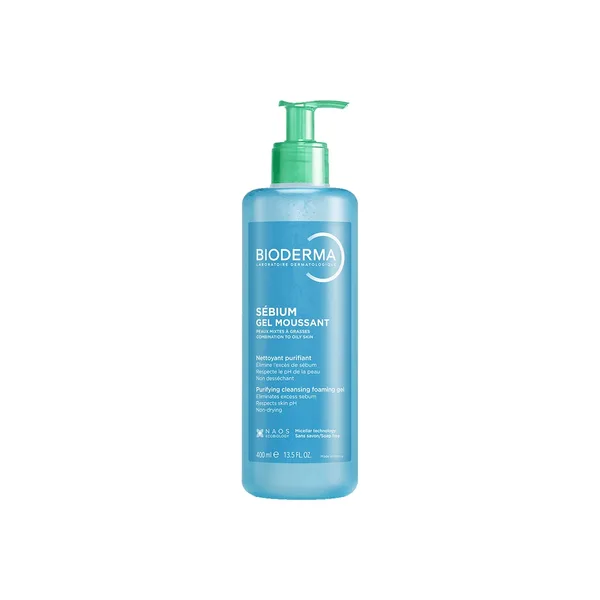
LabReadAI label score
How the score is calculated- Actives and evidence0.5Actives with strong evidence: 1 of 2
- Active concentration0.1After the 1 % line: zinc salts (sulfate, gluconate), lactic acid — the concentration is likely token
- Completeness for the purpose0.0For “acne and blackheads” — 4 %; without a BHA (salicylic acid) that clears pores from inside; without a retinoid — the main tool against new plugs; without benzoyl peroxide — the best-proven agent against acne bacteria; could be added without conflict: benzoyl peroxide, salicylic acid (bha); below threshold: zinc salts (sulfate, gluconate); a narrow formula for one purpose
- Tolerance0.8Rinse-off product; debatable groups: fragrance and its allergens (skin test positive in 13 of 100 tested), sodium laureth sulfate (SLES)
- adults
- oily skin
- pregnancyallowed per the leaflet
- dry skin
- sensitive skinstart at 5 %
- before sunSPF is a must in the daytime
- atopic skinfragrance is a common trigger
- dry scalpmay dry
Ingredients — 17 components, 2 of them active
The rest is the formula base: it holds texture, shelf life and application, and is not meant to act.
What works: 2 of 17 ingredients: zinc salts, lactic acid. Acne products work on four fronts: dissolve plugs (acids), calm inflammation (azelaic acid, niacinamide, zinc), kill bacteria (benzoyl peroxide, tea tree) and prevent new plugs (a retinoid). One active per front is enough; two or three different fronts work noticeably better.
What lowers the score: actives and evidence: actives with strong evidence: 1 of 2; active concentration: after the 1 % line: zinc salts, lactic acid — the concentration is likely token; completeness for the purpose: for “acne and blackheads” — 4 %; tolerance: rinse-off product
Questions: sodium laureth sulfate (SLES): sodium laureth sulfate — the main cleansing surfactant; can dry a sensitive scalp — the reason people look for «sulfate-free»; unrestricted in rinse-off products; fragrance and its allergens: fragrance — the fragrance and its aromatic components; the EU requires 26 of them to be listed separately — matters to people allergic to fragrance, does not affect how the product works
- Aqua/Water/Eau base: coating, fillers · water — the solvent and base; listed first because there is more of it than anything else; in supplements — part of the capsule shell
- Sodium Cocoamphoacetate base: coating, fillers · an amphoteric surfactant: gentle cleansing and stable foam, a usual partner to the sugar surfactants.
- Sodium Laureth Sulfate questions · the main cleansing surfactant; can dry a sensitive scalp — the reason people look for «sulfate-free»; unrestricted in rinse-off products
- Methylpropanediol base: coating, fillers · dissolves the other ingredients and holds the formula together
- Disodium EDTA base: coating, fillers · bind hard-water metals so the formula stays stable and the foam works
- Sodium Chloride base: coating, fillers · tune the acidity and texture; salt is a common shampoo thickener
- Lactic Acid works · the active ingredient — what the product is for; form: AHA acid
- Zinc Sulfate works · the active ingredient — what the product is for; form: zinc sulfate
- Copper Sulfate base: coating, fillers · amino acids, lipids and sugars akin to the skin’s own components — support for its barrier
- Potassium Sorbate base: coating, fillers · a mild preservative against mould and yeast: used both in cosmetics and in foods and supplements (E202).
- Xylitol base: coating, fillers · draws water in and holds it in the upper layer of the skin
- Fructooligosaccharides base: coating, fillers · plant sugars: they hold water and feed skin bacteria; in a product this is the humectant part of the base
- Mannitol base: coating, fillers · draws water in and holds it in the upper layer of the skin
- Rhamnose base: coating, fillers · draws water in and holds it in the upper layer of the skin
- Propylene Glycol base: coating, fillers · humectants and solvents — hold water and help actives dissolve
- Sodium Hydroxide base: coating, fillers · tune the acidity and texture; salt is a common shampoo thickener
- Ginkgo Biloba Leaf Extract base: coating, fillers · softens the skin and helps it hold water — the most common role in creams
- Fragrance (Parfum questions · the fragrance and its aromatic components; the EU requires 26 of them to be listed separately — matters to people allergic to fragrance, does not affect how the product works
Bioderma Sébium Gel moussant is a product whose active ingredient is zinc salts (sulfate, gluconate) + lactic acid. The concentration is not declared and the active sits after the 1 % line — more for the label than for the effect. There is little evidence of effect: zinc salts (sulfate, gluconate). The effect is supported by studies: lactic acid. The formula has 17 ingredients, 2 of which do the work; the rest is the formula base. Worth noting: Sodium Laureth Sulfate (the main cleansing surfactant; can dry a sensitive scalp — the reason people look for «sulfate-free»; unrestricted in rinse-off products); Fragrance (Parfum (the fragrance and its aromatic components; the EU requires 26 of them to be listed separately — matters to people allergic to fragrance, does not affect how the product works). Acne products work on four fronts: dissolve plugs (acids), calm inflammation (azelaic acid, niacinamide, zinc), kill bacteria (benzoyl peroxide, tea tree) and prevent new plugs (a retinoid). One active per front is enough; two or three different fronts work noticeably better. By the list, no alcohol (alcohol denat), formaldehyde releasers, isothiazolinones (MIT/MCI), parabens, mineral oils and petrolatum, soap, silicones, gelatin in the coating, toning dyes, tar. Suitable for: adults, oily skin, pregnancy, dry skin. sensitive skin, before sun, atopic skin, dry scalp — ask a doctor. rosacea, eczema, children, fragrance allergy — not without a doctor. Use: morning and evening. When to expect an effect: oily shine — weeks; do not expect fast action on inflamed spots. Label score — 1.7 out of 10 (actives with strong evidence: 1 of 2; after the 1 % line: zinc salts (sulfate, gluconate), lactic acid — the concentration is likely token; for “acne and blackheads” — 4 %; without a bha (salicylic acid) that clears pores from inside; without a retinoid — the main tool against new plugs; without benzoyl peroxide — the best-proven agent against acne bacteria; could be added without conflict: benzoyl peroxide, salicylic acid (bha); below threshold: zinc salts (sulfate, gluconate); a narrow formula for one purpose; rinse-off product; debatable groups: fragrance and its allergens (skin test positive in 13 of 100 tested), sodium laureth sulfate (sles)).
Who it does not suit
- rosacea, eczemanot on inflamed skin
- childrenonly if prescribed
- fragrance allergyrisk of reaction
When to stop: tightness and flaking — use it less often; burning, persistent redness — stop
Is this product right for your skin?
The score describes the formula, not your skin: the same product dries one person and saves another. Describe your skin type, reactions and goals, attach a photo of the ingredient list or the product — we will go through every ingredient and say whether it suits you, what to pair it with and what to avoid.
Similar products
Same nutrient and the same purpose — closest by form and dose. Each has its own score by the same method, so you can see whether there is an option nearby that is more honest or simpler in composition.