Formula · 6.8
Brand · 7.5
Чёрный жемчуг · sodium hyaluronate and retinyl palmitate · Russia
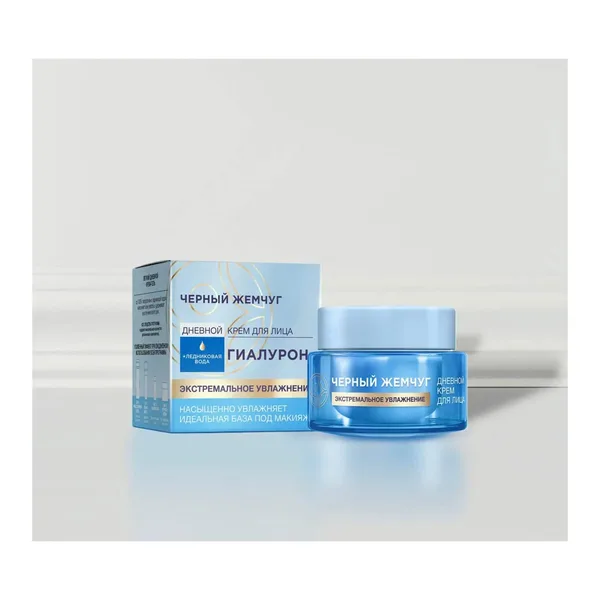
Black Pearl Extreme Moisture day face cream
LabReadAI label score
How the score is calculated- Actives and evidence0.5Actives with strong evidence: 0 of 4
- Active concentration1.0After the 1 % line: collagen — the concentration is likely token
- Completeness for the purpose0.7For “hydration” — 70 %; below threshold: dryness and a damaged barrier; a broad formula across 5 purposes
- Tolerance0.6Debatable ingredient groups: parabens (skin test positive in 1 of 100 tested), fragrance and its allergens (skin test positive in 13 of 100 tested); comedogenic ingredients at a notable share (may clog pores): algae extract
- adults
- dry skin
- oily skin
- children
- colour-treated hair
- sensitive skinstart low
- atopic skinfragrance is a common trigger
- breastfeedingask a doctor
- rosaceaask a dermatologist
- before sunSPF is a must in the daytime
- acne-pronemay clog pores in leave-on face products
- nut allergywith a almond allergy — ask a doctor
- prone to contact allergya rare but known allergen
Ingredients — 41 components, 4 of them active
The rest is the formula base: it holds texture, shelf life and application, and is not meant to act.
What works: 4 of 41 ingredients: hyaluronic acid, retinoid, collagen and 1 more. Hydrating products draw water into the upper skin layer (glycerin, hyaluronate, panthenol, ectoin) — one humectant is enough. Without barrier ingredients (niacinamide, ceramides, oils) the effect does not last.
Strengths: active concentration
What lowers the score: actives and evidence: actives with strong evidence: 0 of 4; completeness for the purpose: for “hydration” — 70 %; tolerance: debatable ingredient groups: parabens, fragrance and its allergens
Questions: parabens: ethylparaben, methylparaben, propylparaben — preservatives; methyl- and ethylparaben are recognised as safe at permitted levels, propyl- and butyl- are limited by the EU to 0.14 %; a frequent buyer question rather than proven harm; fragrance and its allergens: fragrance — the fragrance and its aromatic components; the EU requires 26 of them to be listed separately — matters to people allergic to fragrance, does not affect how the product works; carrageenan
- Aqua base: coating, fillers · water — the solvent and base; listed first because there is more of it than anything else; in supplements — part of the capsule shell
- Propylene Glycol base: coating, fillers · humectants and solvents — hold water and help actives dissolve
- Coco Caprylate/Caprate base: coating, fillers · fills the gaps between skin flakes, so the surface feels smooth
- Prunus Amygdalus Dulcis (Sweet Almond) Oil base: coating, fillers · a light nourishing oil; rarely clogs pores in leave-on face products
- Dimethicone base: coating, fillers · form a smooth film and shine; inert and not absorbed — a preference question, not a safety one
- Glycerin base: coating, fillers · a humectant: coats the tablet, holds moisture in creams and shampoos; does not clog pores
- Cetearyl Dimethicone Crosspolymer base: coating, fillers · form a smooth film and shine; inert and not absorbed — a preference question, not a safety one
- Laminaria Digitata Extract base: coating, fillers · algae extract in an oil base; may clog pores in leave-on face products; a finished product with it is not always comedogenic
- Retinyl Palmitate works · the active ingredient — what the product is for; form: retinyl palmitate
- Sodium Hyaluronate works · the active ingredient — what the product is for; form: sodium hyaluronate
- Serine base: coating, fillers · amino acids, lipids and sugars akin to the skin’s own components — support for its barrier
- Tocopheryl Acetate works · the active ingredient — what the product is for; form: tocopheryl acetate (ester; in cosmetics)
- Alanine base: coating, fillers · amino acids, lipids and sugars akin to the skin’s own components — support for its barrier
- Ammonium Lactate base: coating, fillers · dissolves the bonds between dead flakes so they can come off
- Butylene Glycol base: coating, fillers · a humectant and solvent: it makes the texture lighter and helps actives spread. Better tolerated than propylene glycol.
- Caprylyl Glycol base: coating, fillers · a humectant that also holds bacteria back, which is why it often replaces part of the preservative.
- Cholesterol base: coating, fillers · amino acids, lipids and sugars akin to the skin’s own components — support for its barrier
- Desamido Collagen works · the active ingredient — what the product is for; form: hydrolysed (type not stated)
- Dipropylene Glycol base: coating, fillers · humectants and solvents — hold water and help actives dissolve
- Disodium EDTA base: coating, fillers · bind hard-water metals so the formula stays stable and the foam works
- Ethylparaben questions · preservatives; methyl- and ethylparaben are recognised as safe at permitted levels, propyl- and butyl- are limited by the EU to 0.14 %; a frequent buyer question rather than proven harm
- Ethylhexylglycerin base: coating, fillers · a preservative booster and skin-conditioning ingredient: it barely preserves on its own but helps phenoxyethanol work and lowers the amount needed.
- Hydroxyethyl Acrylate/Sodium Acryloyldimethyl Taurate Copolymer base: coating, fillers · hold the texture: gels, creams and foam do not separate
- 1,2-Hexanediol base: coating, fillers · a solvent and humectant with antimicrobial action: it helps the product keep without classic preservatives.
- Hydroxyethyl Urea base: coating, fillers · amino acids, lipids and sugars akin to the skin’s own components — support for its barrier
- Helianthus Annuus (Sunflower) Seed Oil base: coating, fillers · a light emollient oil rich in linoleic acid (in tablets — a coating component); does not clog pores
- Hydrogenated Lecithin base: coating, fillers · soften, condition and carry the actives; the backbone of the texture
- Isohexadecane base: coating, fillers · soften, condition and carry the actives; the backbone of the texture
- Maltitol base: coating, fillers · draws water in and holds it in the upper layer of the skin
- Methylparaben questions · preservatives; methyl- and ethylparaben are recognised as safe at permitted levels, propyl- and butyl- are limited by the EU to 0.14 %; a frequent buyer question rather than proven harm
- Polysorbate 60 base: coating, fillers · cleanse and bind water with oils; milder than the sulfate ones
- PEG-40 Hydrogenated Castor Oil base: coating, fillers · coating glazing agent
- Phenoxyethanol base: coating, fillers · the most widespread cosmetic preservative: it keeps the product sterile. Permitted in the EU up to 1 %, recognised as safe at that level.
- Propylparaben questions · preservatives; methyl- and ethylparaben are recognised as safe at permitted levels, propyl- and butyl- are limited by the EU to 0.14 %; a frequent buyer question rather than proven harm
- Parfum questions · the fragrance and its aromatic components; the EU requires 26 of them to be listed separately — matters to people allergic to fragrance, does not affect how the product works
- Sodium Carrageenan questions · a thickener from red seaweed. It is permitted but debated: in animal studies the degraded form irritated the gut, so people with inflammatory bowel disease are sometimes advised to avoid it. For food-grade carrageenan there is no such proof.
- Sea Salt base: coating, fillers · tune the acidity and texture; salt is a common shampoo thickener
- Sodium Polyacrylate label wording · an allergen (sodium (salt)) — matters when limiting salt, for example with blood pressure; the label says it is absent
- Sodium Benzoate base: coating, fillers · a preservative both in cosmetics and in supplements: a salt of benzoic acid that works in an acidic medium. Permitted as food additive E211 and in cosmetics up to 0.5 %.
- Sodium Chloride base: coating, fillers · tune the acidity and texture; salt is a common shampoo thickener
- Sodium Citrate base: coating, fillers · tune the acidity and texture; salt is a common shampoo thickener
- Tocopherol works · the active ingredient — what the product is for; form: tocopheryl acetate (ester; in cosmetics)
- Xanthan Gum base: coating, fillers · hold the texture: gels, creams and foam do not separate
Black Pearl Extreme Moisture day face cream is a product whose active ingredient is hyaluronic acid + retinoid + collagen + vitamin e. The concentration is not declared, but the active sits above the 1 % line in the list — a working share is likely. The effect is moderately supported: hyaluronic acid. There is little evidence of effect: retinoid, collagen, vitamin e. The formula has 41 ingredients, 4 of which do the work; the rest is the formula base. Worth noting: Ethylparaben, Methylparaben, Propylparaben (preservatives; methyl- and ethylparaben are recognised as safe at permitted levels, propyl- and butyl- are limited by the EU to 0.14 %; a frequent buyer question rather than proven harm); Parfum (the fragrance and its aromatic components; the EU requires 26 of them to be listed separately — matters to people allergic to fragrance, does not affect how the product works); Sodium Carrageenan. Hydrating products draw water into the upper skin layer (glycerin, hyaluronate, panthenol, ectoin) — one humectant is enough. Without barrier ingredients (niacinamide, ceramides, oils) the effect does not last. By the list, no alcohol (alcohol denat), sulfates (SLS/SLES), formaldehyde releasers, isothiazolinones (MIT/MCI), mineral oils and petrolatum, soap, gelatin in the coating, toning dyes, tar. Suitable for: adults, dry skin, oily skin, children, colour-treated hair. sensitive skin, atopic skin, breastfeeding, rosacea, before sun, acne-prone, nut allergy, prone to contact allergy — ask a doctor. pregnancy, fragrance allergy — not without a doctor. Use: morning and evening on damp skin, cream on top. When to expect an effect: hydration — immediately; lasting effect — 2–4 weeks. Label score — 6.8 out of 10 (actives with strong evidence: 0 of 4; for “hydration” — 70 %; below threshold: dryness and a damaged barrier; a broad formula across 5 purposes; debatable ingredient groups: parabens (skin test positive in 1 of 100 tested), fragrance and its allergens (skin test positive in 13 of 100 tested); comedogenic ingredients at a notable share (may clog pores): algae extract). Fragrance, a colourant and three parabens are present — not suitable with an allergy to them. Retinyl palmitate is a vitamin A derivative: ask a doctor during pregnancy.
Who it does not suit
- pregnancydo not use
- fragrance allergyrisk of reaction
When to stop: tightness in dry air — apply under a cream; strong burning, swelling — stop; rarely — contact allergy: rash, itching — stop
Per the maker's leaflet: Fragrance, a colourant and three parabens are present — not suitable with an allergy to them. Retinyl palmitate is a vitamin A derivative: ask a doctor during pregnancy.
Is this product right for your skin?
The score describes the formula, not your skin: the same product dries one person and saves another. Describe your skin type, reactions and goals, attach a photo of the ingredient list or the product — we will go through every ingredient and say whether it suits you, what to pair it with and what to avoid.
Similar products
Same nutrient and the same purpose — closest by form and dose. Each has its own score by the same method, so you can see whether there is an option nearby that is more honest or simpler in composition.
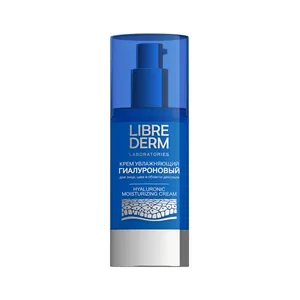 LibredermLIBREDERM Hyaluronic moisturising cream for face, neck and décolleté6.9
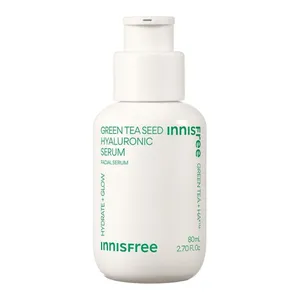 innisfreeinnisfree Green Tea Seed Hyaluronic Serum8.7
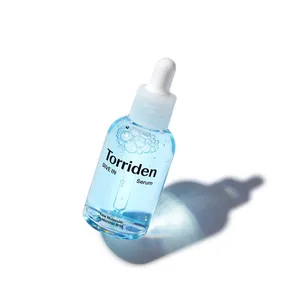 TorridenTorriden DIVE-IN Low Molecular Hyaluronic Acid Serum8.2
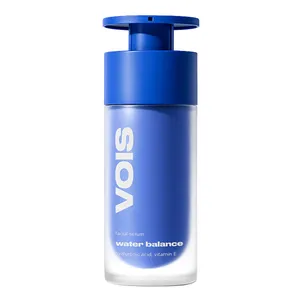 VOISVOIS Prebiotic Restoring Tonic7.5
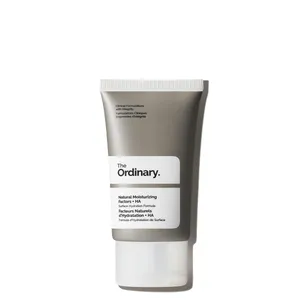 The OrdinaryThe Ordinary Natural Moisturizing Factors + HA7.4
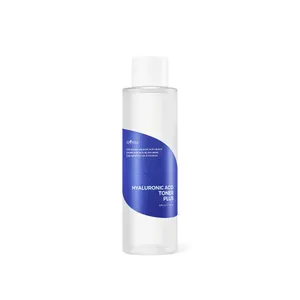 IsntreeIsntree Hyaluronic Acid Toner Plus7.4
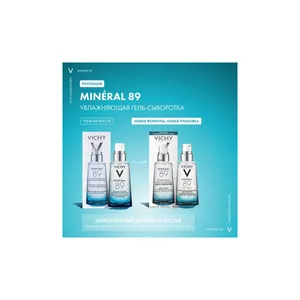 VichyVichy Minéral 897.2
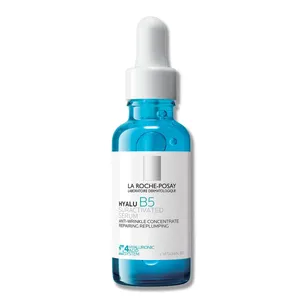 La Roche-PosayLa Roche-Posay Hyalu B5 Serum5.6