Formula · 3.1
Brand · 5.4
Ducray · biotin + panthenol + wheat protein · France
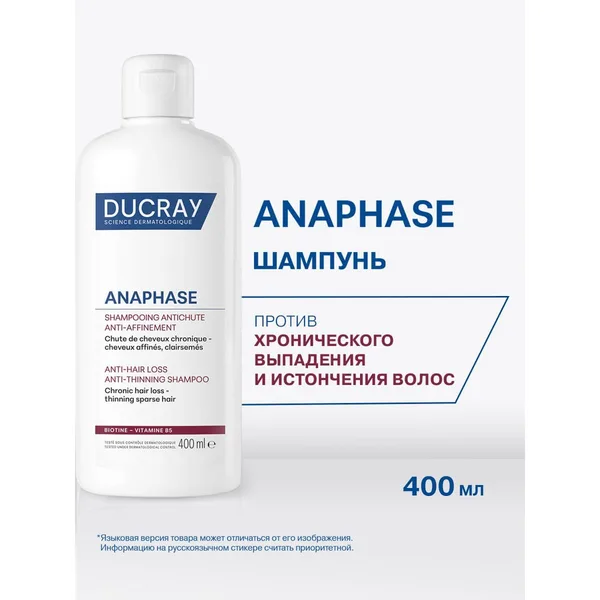
Ducray Anaphase+ shampoo for weakened, shedding hair
LabReadAI label score
How the score is calculated- Actives and evidence0.4No proven effect when applied: biotin (vitamin b7), butcher’s broom extract (ruscus), tocopheryl nicotinate (vitamin e + vitamin b3)
- Completeness for the purpose0.0For “hair shedding (topical)” — 4 %; niacinamide (vitamin b3); could be added without conflict: niacinamide (vitamin b3); below threshold: butcher’s broom extract (ruscus); a narrow formula for one purpose
- Cleansing base0.6Harsh surfactants: sodium laureth sulfate (SLES); mild surfactants: sodium cocoamphoacetate; irritation potential of the base — 40 % of SLS
- Tolerance0.8Rinse-off product; debatable groups: denatured alcohol, fragrance and its allergens (skin test positive in 13 of 100 tested)
- adults
- children
- babies
- colour-treated hair
- pregnancysalicylates — ask a doctor
- sensitive skinstart at 0.5 %
- atopic skinfragrance is a common trigger
- gluten-freethis is a wheat protein — if you avoid wheat, choose another protein
- dry skinmay dry
- dry scalpmay dry
Ingredients — 27 components, 6 of them active
The rest is the formula base: it holds texture, shelf life and application, and is not meant to act.
What works: 6 of 27 ingredients: biotin, panthenol, hydrolysed wheat protein and 3 more. Topical products against shedding work weakly: only minoxidil is proven (a medicine we do not score); among cosmetics rosemary oil has moderate data, caffeine weak. The cause of shedding is found by tests: iron, thyroid, vitamin D.
What lowers the score: actives and evidence: no proven effect when applied: biotin, butcher’s broom extract, tocopheryl nicotinate; completeness for the purpose: for “hair shedding” — 4 %; cleansing base: harsh surfactants: sodium laureth sulfate; tolerance: rinse-off product
Questions: sodium laureth sulfate (SLES): sodium laureth sulfate — the main cleansing surfactant; can dry a sensitive scalp — the reason people look for «sulfate-free»; unrestricted in rinse-off products; denatured alcohol: alcohol — evaporates fast and degreases; frequent contact can dry the skin — a tolerance question, not a regulatory one; does not clog pores; fragrance and its allergens: fragrance
- Water (Aqua base: coating, fillers · water — the solvent and base; listed first because there is more of it than anything else; in supplements — part of the capsule shell
- Sodium Laureth Sulfate questions · the main cleansing surfactant; can dry a sensitive scalp — the reason people look for «sulfate-free»; unrestricted in rinse-off products
- Betaine base: coating, fillers · draws water in and holds it in the upper layer of the skin
- Glycerin base: coating, fillers · a humectant: coats the tablet, holds moisture in creams and shampoos; does not clog pores
- Sodium Cocoamphoacetate base: coating, fillers · an amphoteric surfactant: gentle cleansing and stable foam, a usual partner to the sugar surfactants.
- Acrylates Copolymer base: coating, fillers · an ingredient from the European cosmetic ingredient inventory; what exactly it does in this product is not described here yet
- Ceteareth-60 Myristyl Glycol base: coating, fillers · keeps the water and oil parts from separating
- PEG-40 Hydrogenated Castor Oil base: coating, fillers · coating glazing agent
- Alcohol questions · evaporates fast and degreases; frequent contact can dry the skin — a tolerance question, not a regulatory one; does not clog pores
- Biotin works · the active ingredient — what the product is for; form: biotin
- Citric Acid base: coating, fillers · acidity regulator
- Fragrance (Parfum questions · the fragrance and its aromatic components; the EU requires 26 of them to be listed separately — matters to people allergic to fragrance, does not affect how the product works
- Glyceryl Laurate base: coating, fillers · fills the gaps between skin flakes, so the surface feels smooth
- Glycol Distearate base: coating, fillers · humectants and solvents — hold water and help actives dissolve
- Hydrolyzed Wheat Protein works · the active ingredient — what the product is for; form: wheat protein hydrolysate
- Panthenol works · the active ingredient — what the product is for; form: panthenol
- Pantolactone base: coating, fillers · draws water in and holds it in the upper layer of the skin
- Phenoxyethanol base: coating, fillers · the most widespread cosmetic preservative: it keeps the product sterile. Permitted in the EU up to 1 %, recognised as safe at that level.
- Polyquaternium-7 base: coating, fillers · a conditioning polymer: it removes static, makes combing easier and softens the foam.
- Pyridoxine HCl base: coating, fillers · vitamin B6 in a trace dose; applied topically it does not reach the hair or follicle — a label line that does not change how the product works
- Ruscus Aculeatus Root Extract works · the active ingredient — what the product is for; form: root extract
- Salicylic Acid works · the active ingredient — what the product is for; form: salicylic acid
- Sodium Benzoate base: coating, fillers · a preservative both in cosmetics and in supplements: a salt of benzoic acid that works in an acidic medium. Permitted as food additive E211 and in cosmetics up to 0.5 %.
- Sodium Chloride base: coating, fillers · tune the acidity and texture; salt is a common shampoo thickener
- Sodium Hydroxide base: coating, fillers · tune the acidity and texture; salt is a common shampoo thickener
- Tocopheryl Nicotinate works · the active ingredient — what the product is for; form: nicotinate
Ducray Anaphase+ shampoo for weakened, shedding hair is a product whose active ingredient is biotin (vitamin b7) + panthenol (pro-vitamin b5) + hydrolysed wheat protein + salicylic acid (bha). The concentration is not declared, but the active sits above the 1 % line in the list — a working share is likely. There is no evidence of effect: biotin (vitamin b7), butcher’s broom extract (ruscus), tocopheryl nicotinate (vitamin e + vitamin b3). The effect is moderately supported: panthenol (pro-vitamin b5), salicylic acid (bha). There is little evidence of effect: hydrolysed wheat protein. The formula has 27 ingredients, 6 of which do the work; the rest is the formula base. Worth noting: Sodium Laureth Sulfate (the main cleansing surfactant; can dry a sensitive scalp — the reason people look for «sulfate-free»; unrestricted in rinse-off products); Alcohol (evaporates fast and degreases; frequent contact can dry the skin — a tolerance question, not a regulatory one; does not clog pores); Fragrance (Parfum). Topical products against shedding work weakly: only minoxidil is proven (a medicine we do not score); among cosmetics rosemary oil has moderate data, caffeine weak. The cause of shedding is found by tests: iron, thyroid, vitamin D. By the list, no formaldehyde releasers, isothiazolinones (MIT/MCI), parabens, mineral oils and petrolatum, soap, silicones, gelatin in the coating, toning dyes, tar. Suitable for: adults, children, babies, colour-treated hair. pregnancy, sensitive skin, atopic skin, gluten-free, dry skin, dry scalp — ask a doctor. wheat allergy, fragrance allergy — not without a doctor. Use: any time. When to expect an effect: no effect on growth or shedding should be expected. Label score — 3.1 out of 10 (no proven effect when applied: biotin (vitamin b7), butcher’s broom extract (ruscus), tocopheryl nicotinate (vitamin e + vitamin b3); for “hair shedding (topical)” — 4 %; niacinamide (vitamin b3); could be added without conflict: niacinamide (vitamin b3); below threshold: butcher’s broom extract (ruscus); a narrow formula for one purpose; harsh surfactants: sodium laureth sulfate (sles); mild surfactants: sodium cocoamphoacetate; irritation potential of the base — 40 % of sls; rinse-off product; debatable groups: denatured alcohol, fragrance and its allergens (skin test positive in 13 of 100 tested)). Per the pack: avoid contact with eyes; rinse thoroughly with water on contact. A restatement of the label, not an assessment.
Who it does not suit
- wheat allergyhives and anaphylaxis to hydrolysed wheat in cosmetics are described
- fragrance allergyrisk of reaction
When to stop: itching, rash, swollen lips or eyelids — stop and see a doctor; burning, persistent redness — stop; persistent redness, itching or burning — stop
Per the maker's leaflet: Per the pack: avoid contact with eyes; rinse thoroughly with water on contact. A restatement of the label, not an assessment.
Is this product right for your hair?
The score describes the formula, not your hair: a sulfate shampoo suits an oily scalp and fails a dry, sensitive one. Tell us about your hair, scalp and the problem — shedding, dandruff, oiliness, dryness — and we will build a routine and say whether this product suits you.
Similar products
Same nutrient and the same purpose — closest by form and dose. Each has its own score by the same method, so you can see whether there is an option nearby that is more honest or simpler in composition.
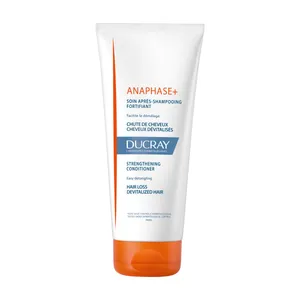 DucrayDucray Anaphase+ strengthening conditioner for weakened, shedding hair3.3
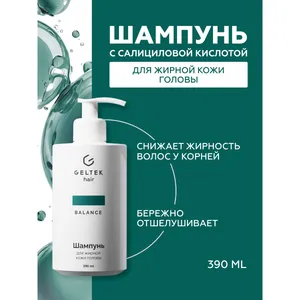 ГельтекGeltek shampoo for oily scalp and hair with salicylic acid7.2
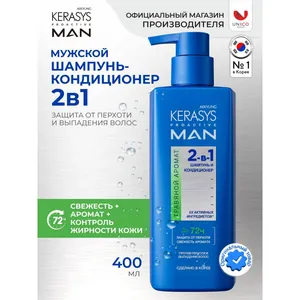 KerasysKerasys Proactive Man 2-in-1 men’s anti-dandruff and anti-shedding shampoo6.6
 DucrayDucray Anti-Hair-Loss and Growth Lotion4.9
 OGXOGX Thick & Full Biotin & Collagen Conditioner5.9
 OGXOGX Thick & Full Biotin & Collagen Shampoo5.6
 René FurtererRené Furterer Triphasic Growth Activating Shampoo5.6
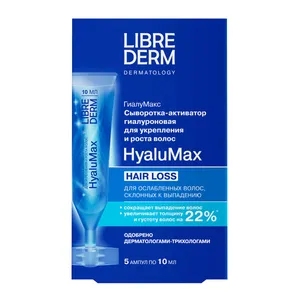 LibredermLIBREDERM HyaluMax Hair Activator Serum7.6