Formula · 6.7
Brand · 6.6
Kapous Professional · VP/VA polymer + kaolin · Italy
Kapous Matt Gloss Modelling Paste
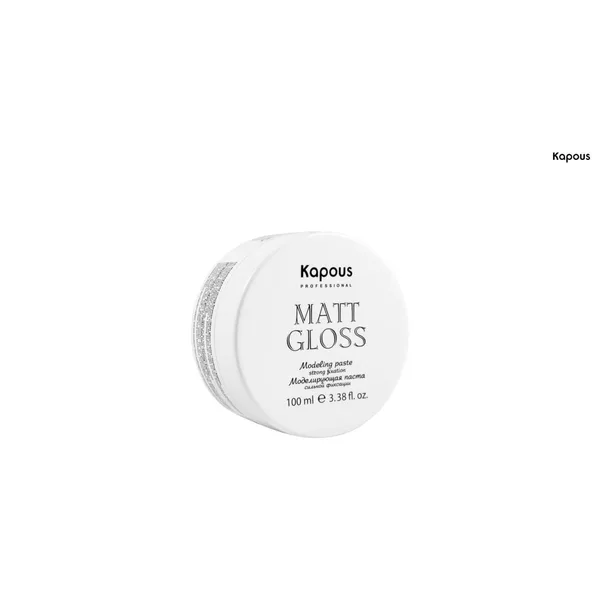
LabReadAI label score
How the score is calculated- Actives and evidence0.4Little evidence of effect
- Completeness for the purpose1.0For “styling hold” — 100 %; a formula with one main purpose
- Tolerance0.8Debatable ingredient groups: denatured alcohol, fragrance and its allergens (skin test positive in 13 of 100 tested)
- adults
- colour-treated hair
- dry hairthe polymer film itself is not drying, but styling products are almost always alcohol-based, and alcohol is drying
- dry skinmay dry
- sensitive skinirritation possible
- atopic skinfragrance is a common trigger
Ingredients — 23 components, 1 of them active
The rest is the formula base: it holds texture, shelf life and application, and is not meant to act.
What works: 1 of 23 ingredients: film-forming styling polymers. A style is held by a polymer film dried onto the hair: the more of it, the stronger the hold and the more noticeable the stiffness. A styling product does not treat or nourish — its job ends at the next wash.
Strengths: completeness for the purpose
What lowers the score: actives and evidence: little evidence of effect; tolerance: debatable ingredient groups: denatured alcohol, fragrance and its allergens
Questions: denatured alcohol — evaporates fast and degreases; frequent contact can dry the skin — a tolerance question, not a regulatory one; does not clog pores; fragrance and its allergens: fragrance, hexyl cinnamal, geraniol, limonene, citronellol — the fragrance and its aromatic components; the EU requires 26 of them to be listed separately — matters to people allergic to fragrance, does not affect how the product works
- AQUA (WATER base: coating, fillers · water — the solvent and base; listed first because there is more of it than anything else; in supplements — part of the capsule shell
- PETROLATUM base: coating, fillers · purified cosmetic-grade petroleum products: form a protective barrier film; safety is established, a preference question; 0–2 of 5 (depends on the raw-material source), cosmetic white oil per DiNardo (2005) is non-comedogenic
- KAOLIN base: coating, fillers · white clay, absorbs oil in masks and powders; does not clog pores
- CETEARYL ALCOHOL base: coating, fillers · a fatty-alcohol blend (C16–C18), an emulsifier and thickener, does not dry the skin; paired with ceteareth-20 — 4 of 5; rarely clogs pores in leave-on face products
- ALCOHOL DENAT questions · evaporates fast and degreases; frequent contact can dry the skin — a tolerance question, not a regulatory one; does not clog pores
- GLYCERYL STEARATE base: coating, fillers · the basic cream emulsifier (neutral NSE form); the self-emulsifying SE form with added potassium stearate is a separate entry, 3 of 5; does not clog pores
- PEG-100 STEARATE base: coating, fillers · a highly ethoxylated emulsifier, the usual partner of glyceryl stearate; does not clog pores
- PROPYLENE GLYCOL base: coating, fillers · humectants and solvents — hold water and help actives dissolve
- CETEARETH-25 base: coating, fillers · washes oil and dirt off skin or hair
- VP/VA COPOLYMER works · the active ingredient — what the product is for; form: film-forming polymer
- COPERNICIA CERIFERA CERA (COPERNICIA CERIFERA (CARNAUBA) WAX base: coating, fillers · the hardest plant wax, a thickener for mascara and sticks; does not clog pores
- PHENOXYETHANOL base: coating, fillers · the most widespread cosmetic preservative: it keeps the product sterile. Permitted in the EU up to 1 %, recognised as safe at that level.
- MAGNESIUM ALUMINUM SILICATE base: coating, fillers · a mineral thickener and stabiliser; does not clog pores
- PARFUM (FRAGRANCE questions · the fragrance and its aromatic components; the EU requires 26 of them to be listed separately — matters to people allergic to fragrance, does not affect how the product works
- PEG-150 DISTEARATE base: coating, fillers · a thickener for shampoos and gels; rarely clogs pores in leave-on face products
- ISOPROPYL ALCOHOL base: coating, fillers · a volatile solvent alcohol, evaporates without residue; does not clog pores
- ETHYLHEXYLGLYCERIN base: coating, fillers · a preservative booster and skin-conditioning ingredient: it barely preserves on its own but helps phenoxyethanol work and lowers the amount needed.
- HEXYL CINNAMAL questions · the fragrance and its aromatic components; the EU requires 26 of them to be listed separately — matters to people allergic to fragrance, does not affect how the product works
- T-BUTYL ALCOHOL base: coating, fillers · a denaturant in trace amounts: it is added so the alcohol part of the formula cannot be drunk. At this level it does not dry the skin — it is not the alcohol people worry about in skincare
- GERANIOL questions · the fragrance and its aromatic components; the EU requires 26 of them to be listed separately — matters to people allergic to fragrance, does not affect how the product works
- LIMONENE questions · the fragrance and its aromatic components; the EU requires 26 of them to be listed separately — matters to people allergic to fragrance, does not affect how the product works
- CITRUS AURANTIUM (ORANGE) PEEL OIL base: coating, fillers · the plant base: emollient oils, waxes and care extracts
- CITRONELLOL questions · the fragrance and its aromatic components; the EU requires 26 of them to be listed separately — matters to people allergic to fragrance, does not affect how the product works
- CI 77499 (IRON OXIDES base: coating, fillers · mineral pigments of foundations, blushes and eyeshadows; does not clog pores
Kapous Matt Gloss Modelling Paste is a product whose active ingredient is film-forming styling polymers. The concentration is not declared, but the active sits above the 1 % line in the list — a working share is likely. There is little evidence of effect: the polymer dries on the hair as a film and glues the strands to each other — hence the hold. It really can keep a style in humid air: in laboratory measurements a curl keeps 60–70 % of its shape at 85 % relative humidity. But these are measurements on tresses and data from the polymer makers, not trials in people, so the level of evidence is low. The formula has 23 ingredients, 1 of which does the work; the rest is the formula base. Worth noting: ALCOHOL DENAT (evaporates fast and degreases; frequent contact can dry the skin — a tolerance question, not a regulatory one; does not clog pores); PARFUM (FRAGRANCE, HEXYL CINNAMAL, GERANIOL, LIMONENE, CITRONELLOL (the fragrance and its aromatic components; the EU requires 26 of them to be listed separately — matters to people allergic to fragrance, does not affect how the product works). A style is held by a polymer film dried onto the hair: the more of it, the stronger the hold and the more noticeable the stiffness. A styling product does not treat or nourish — its job ends at the next wash. By the list, no sulfates (SLS/SLES), formaldehyde releasers, isothiazolinones (MIT/MCI), parabens, soap, silicones, gelatin in the coating, toning dyes, tar. Suitable for: adults, colour-treated hair. dry hair, dry skin, sensitive skin, atopic skin — ask a doctor. fragrance allergy — not without a doctor. Use: on dry or towel-dried hair before styling; wash out with shampoo. When to expect an effect: hold — as soon as the product dries. Label score — 6.7 out of 10 (little evidence of effect; debatable ingredient groups: denatured alcohol, fragrance and its allergens (skin test positive in 13 of 100 tested)). Per the pack: for external use, avoid contact with the eyes. A restatement of the label, not an assessment.
Who it does not suit
- fragrance allergyrisk of reaction
When to stop: itching and scalp redness — stop
Per the maker's leaflet: Per the pack: for external use, avoid contact with the eyes. A restatement of the label, not an assessment.
Is this product right for your hair?
The score describes the formula, not your hair: a sulfate shampoo suits an oily scalp and fails a dry, sensitive one. Tell us about your hair, scalp and the problem — shedding, dandruff, oiliness, dryness — and we will build a routine and say whether this product suits you.
Similar products
Same nutrient and the same purpose — closest by form and dose. Each has its own score by the same method, so you can see whether there is an option nearby that is more honest or simpler in composition.
 René FurtererRené Furterer Style Strong Hold Styling Gel7.3
 René FurtererRené Furterer Sublime Curl Shampoo for Curly Hair7.0
 Kapous ProfessionalKapous Studio Professional Matt Wax6.8
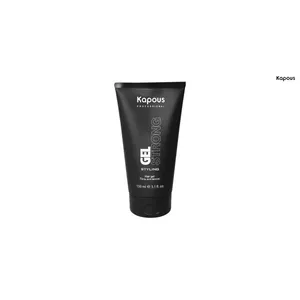 Kapous ProfessionalKapous Gel Strong6.8
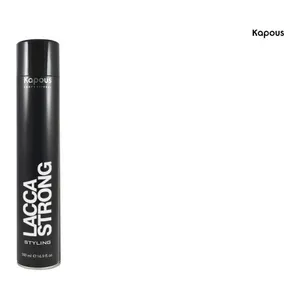 Kapous ProfessionalKapous Lacca Strong6.7
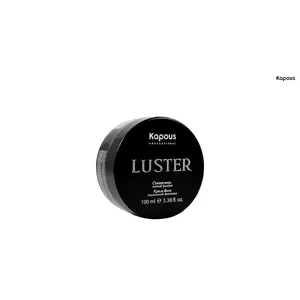 Kapous ProfessionalKapous Luster Cream Wax6.7
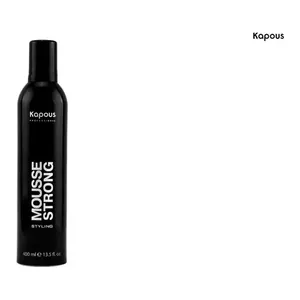 Kapous ProfessionalKapous Mousse Strong6.6
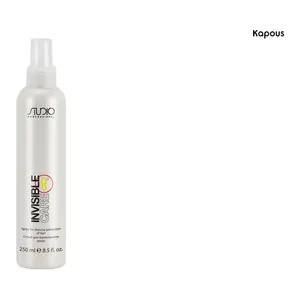 Kapous ProfessionalKapous Studio Professional Invisible Care6.3