Formula · 6.6
Brand · 6.8
Natura Siberica · niacinamide + Siberian herb extracts · Russia
Natura Siberica Taiga strengthening bio-shampoo against hair loss
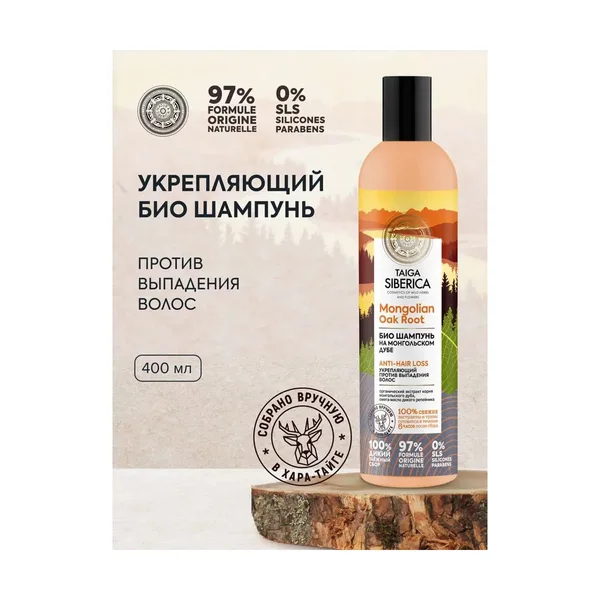
LabReadAI label score
How the score is calculated- Actives and evidence1.0Effect supported by studies
- Completeness for the purpose0.5For “hair shedding (topical)” — 47 %; adenosine; could be added without conflict: adenosine; below threshold: niacinamide (vitamin b3); a broad formula across 6 purposes
- Cleansing base0.5Harsh surfactants: sodium coco-sulfate; mild surfactants: cocamidopropyl betaine, lauryl glucoside; irritation potential of the base — 46 % of SLS
- Tolerance0.8Rinse-off product; debatable groups: benzyl alcohol, fragrance and its allergens (skin test positive in 13 of 100 tested), wood (birch) tar
- adults
- pregnancyallowed per the leaflet
- oily skin
- acne-prone
- dandruff
- sensitive skinat 10 % flushing is possible
- rosaceaask a dermatologist
- dry scalpmay dry
- dry skinmay dry
- colour-treated hairwashes colour out faster
- atopic skinfragrance is a common trigger
Ingredients — 27 components, 1 of them active
The rest is the formula base: it holds texture, shelf life and application, and is not meant to act.
What works: 1 of 27 ingredients: niacinamide. Topical products against shedding work weakly: only minoxidil is proven (a medicine we do not score); among cosmetics rosemary oil has moderate data, caffeine weak. The cause of shedding is found by tests: iron, thyroid, vitamin D.
Strengths: actives and evidence
What lowers the score: completeness for the purpose: for “hair shedding” — 47 %; cleansing base: harsh surfactants: sodium coco-sulfate; tolerance: rinse-off product
Questions: sodium coco-sulfate — a sulfate from coconut oil: by composition it is mostly the same lauryl sulfate, so a natural origin does not make it milder. Common in solid shampoos.; benzyl alcohol — a preservative and solvent permitted in the EU up to 1 %. It is also on the list of 26 fragrance allergens that must be declared separately, which matters to people allergic to fragrance.; wood (birch) tar: wood tar; fragrance and its allergens: fragrance, limonene, linalool
- Aqua base: coating, fillers · water — the solvent and base; listed first because there is more of it than anything else; in supplements — part of the capsule shell
- Quercus Robur Root Extract base: coating, fillers · tightens the skin slightly, so pores look smaller
- Arctium Lappa Root Extract base: coating, fillers · plant and algae extracts and floral waters: flavouring and marketing components — at these shares there is no proven effect on the skin; rare reactions in people allergic to that particular plant
- Olea Europaea Fruit Oil base: coating, fillers · a nourishing emollient oil; rarely clogs pores in leave-on face products
- Rubus Arcticus Fruit Extract base: coating, fillers · keeps the oils in the formula from going rancid
- Schisandra Chinensis Extract base: coating, fillers · plant and algae extracts and floral waters: flavouring and marketing components — at these shares there is no proven effect on the skin; rare reactions in people allergic to that particular plant
- Rhododendron Adamsii Leaf/Stem Extract base: coating, fillers · draws water in and holds it in the upper layer of the skin
- Sophora Flavescens Root Extract base: coating, fillers · plant and algae extracts and floral waters: flavouring and marketing components — at these shares there is no proven effect on the skin; rare reactions in people allergic to that particular plant
- Salvia Officinalis Leaf Extract base: coating, fillers · plant and algae extracts and floral waters: flavouring and marketing components — at these shares there is no proven effect on the skin; rare reactions in people allergic to that particular plant
- Scutellaria Baicalensis Root Extract base: coating, fillers · plant and algae extracts and floral waters: flavouring and marketing components — at these shares there is no proven effect on the skin; rare reactions in people allergic to that particular plant
- Rhodiola Rosea Root Extract base: coating, fillers · plant and algae extracts and floral waters: flavouring and marketing components — at these shares there is no proven effect on the skin; rare reactions in people allergic to that particular plant
- Sodium Coco-Sulfate questions · a sulfate from coconut oil: by composition it is mostly the same lauryl sulfate, so a natural origin does not make it milder. Common in solid shampoos.
- Cocamidopropyl Betaine base: coating, fillers · a mild amphoteric surfactant: it builds dense foam and softens the harsh sulfates next to it. It occasionally causes contact allergy, and the culprit is a manufacturing impurity rather than the ingredient itself.
- Lauryl Glucoside base: coating, fillers · a sugar surfactant: it cleanses gently and foams lightly, usually paired with betaines.
- Pineamidopropyl Betaine base: coating, fillers · stops dental plaque forming
- Hippophae Rhamnoidesamidopropyl Betaine base: coating, fillers · washes oil and dirt off skin or hair
- Sodium Chloride base: coating, fillers · tune the acidity and texture; salt is a common shampoo thickener
- Guar Hydroxypropyltrimonium Chloride base: coating, fillers · hold the texture: gels, creams and foam do not separate
- Niacinamide works · the active ingredient — what the product is for; form: niacinamide
- Cetearyl Alcohol base: coating, fillers · a fatty-alcohol blend (C16–C18), an emulsifier and thickener, does not dry the skin; paired with ceteareth-20 — 4 of 5; rarely clogs pores in leave-on face products
- Citric Acid base: coating, fillers · acidity regulator
- Benzyl Alcohol questions · a preservative and solvent permitted in the EU up to 1 %. It is also on the list of 26 fragrance allergens that must be declared separately, which matters to people allergic to fragrance.
- Benzoic Acid base: coating, fillers · protect the product from bacteria and mould; used within the EU-permitted concentrations
- Sorbic Acid base: coating, fillers · stops bacteria and mould growing in the jar
- Wood Tar questions · a traditional remedy for dandruff and itching with a sharp smell; it reduces flaking, but can irritate a sensitive scalp and dries the hair
- Parfum questions · the fragrance and its aromatic components; the EU requires 26 of them to be listed separately — matters to people allergic to fragrance, does not affect how the product works
- Limonene questions · the fragrance and its aromatic components; the EU requires 26 of them to be listed separately — matters to people allergic to fragrance, does not affect how the product works
- Linalool questions · the fragrance and its aromatic components; the EU requires 26 of them to be listed separately — matters to people allergic to fragrance, does not affect how the product works
Natura Siberica Taiga strengthening bio-shampoo against hair loss is a product whose active ingredient is niacinamide (vitamin b3). The concentration is not declared, but the active sits above the 1 % line in the list — a working share is likely. The effect is supported by studies: 2–5 %: evens tone, reduces sebum and pores, strengthens the barrier — several RCTs. The formula has 27 ingredients, 1 of which does the work; the rest is the formula base. Worth noting: Sodium Coco-Sulfate (a sulfate from coconut oil: by composition it is mostly the same lauryl sulfate, so a natural origin does not make it milder. Common in solid shampoos.); Benzyl Alcohol (a preservative and solvent permitted in the EU up to 1 %. It is also on the list of 26 fragrance allergens that must be declared separately, which matters to people allergic to fragrance.); Wood Tar; Parfum, Limonene, Linalool. Topical products against shedding work weakly: only minoxidil is proven (a medicine we do not score); among cosmetics rosemary oil has moderate data, caffeine weak. The cause of shedding is found by tests: iron, thyroid, vitamin D. By the list, no alcohol (alcohol denat), formaldehyde releasers, isothiazolinones (MIT/MCI), parabens, mineral oils and petrolatum, soap, silicones, gelatin in the coating, toning dyes. Suitable for: adults, pregnancy, oily skin, acne-prone, dandruff. sensitive skin, rosacea, dry scalp, dry skin, colour-treated hair, atopic skin — ask a doctor. fragrance allergy — not without a doctor. Use: morning and evening, on clean skin. When to expect an effect: tone, pores — 4–8 weeks; sebum — 2–4. Label score — 6.6 out of 10 (for “hair shedding (topical)” — 47 %; adenosine; could be added without conflict: adenosine; below threshold: niacinamide (vitamin b3); a broad formula across 6 purposes; harsh surfactants: sodium coco-sulfate; mild surfactants: cocamidopropyl betaine, lauryl glucoside; irritation potential of the base — 46 % of sls; rinse-off product; debatable groups: benzyl alcohol, fragrance and its allergens (skin test positive in 13 of 100 tested), wood (birch) tar). Per the pack: avoid contact with eyes; rinse thoroughly with water on contact. A restatement of the label, not an assessment.
Who it does not suit
- fragrance allergyrisk of reaction
When to stop: persistent burning — stop
Per the maker's leaflet: Per the pack: avoid contact with eyes; rinse thoroughly with water on contact. A restatement of the label, not an assessment.
Is this product right for your hair?
The score describes the formula, not your hair: a sulfate shampoo suits an oily scalp and fails a dry, sensitive one. Tell us about your hair, scalp and the problem — shedding, dandruff, oiliness, dryness — and we will build a routine and say whether this product suits you.
Similar products
Same nutrient and the same purpose — closest by form and dose. Each has its own score by the same method, so you can see whether there is an option nearby that is more honest or simpler in composition.
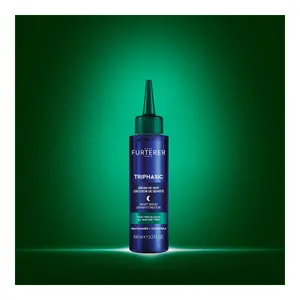 René FurtererRené Furterer Triphasic Night Density Serum6.8
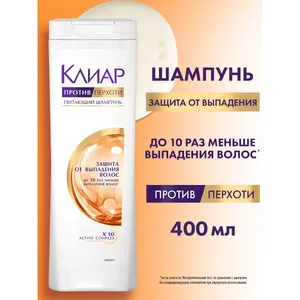 ClearClear anti-dandruff shampoo “Hair fall defense”8.4
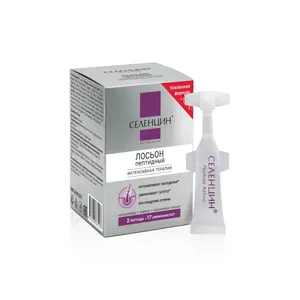 СеленцинSelencin Peptide Active Lotion7.7
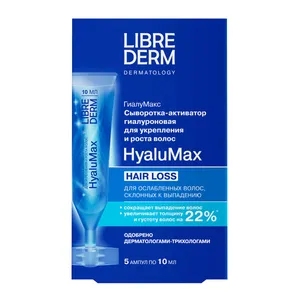 LibredermLIBREDERM HyaluMax Hair Activator Serum7.6
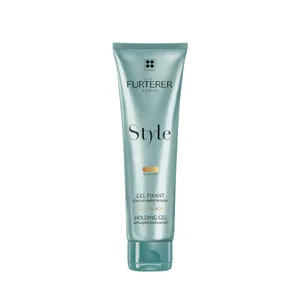 René FurtererRené Furterer Style Strong Hold Styling Gel7.3
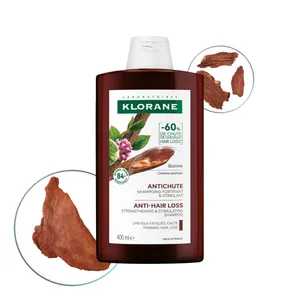 KloraneKlorane Quinine and Organic Edelweiss Shampoo7.1
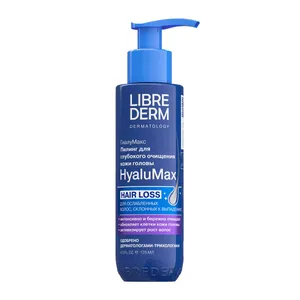 LibredermLIBREDERM HyaluMax Scalp Peeling7.1
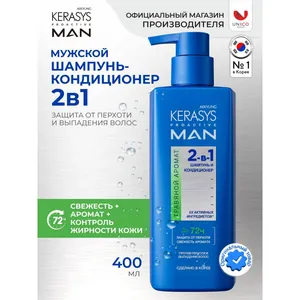 KerasysKerasys Proactive Man 2-in-1 men’s anti-dandruff and anti-shedding shampoo6.6