Formula · 3.8
Brand · 5.6
René Furterer · celery seed extract + wild ginger extract · France
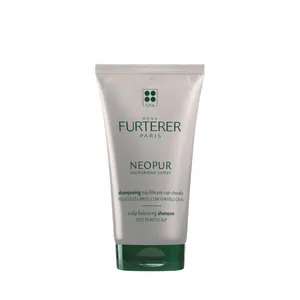
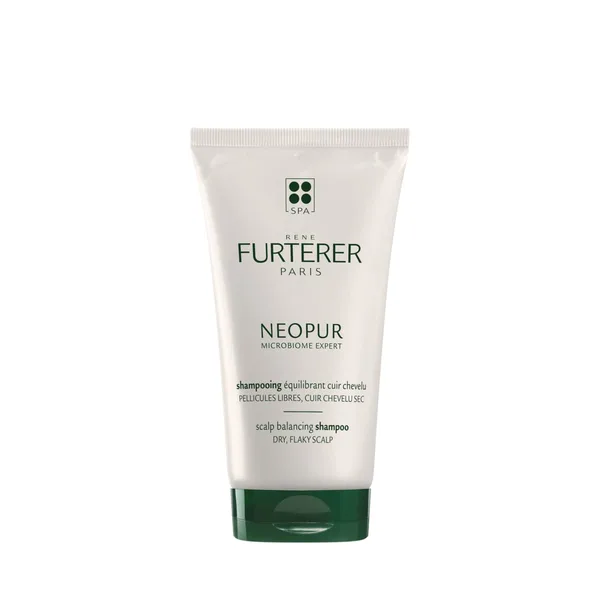
René Furterer Neopur Dry Dandruff Shampoo
LabReadAI label score
How the score is calculated- Actives and evidence0.4Actives with strong evidence: 0 of 2
- Completeness for the purpose0.1For “dandruff and itchy scalp” — 9 %; without salicylic acid, which lifts the flakes; nasturtium extract; could be added without conflict: salicylic acid (bha), nasturtium extract; below threshold: wild ginger extract; a formula with one main purpose
- Cleansing base0.8Mild surfactants: coco-glucoside, decyl glucoside, disodium cocoamphodiacetate, disodium laureth sulfosuccinate, sodium cocoyl isethionate, mild surfactants and emulsifiers; irritation potential of the base — 19 % of SLS
- Tolerance0.9Rinse-off product; debatable groups: fragrance and its allergens (skin test positive in 13 of 100 tested)
- adults
- colour-treated hair
- pregnancyno studies in pregnancy — discuss with a doctor
- sensitive scalpcelery is a known food allergen; if you are allergic to it, this product is not for you
- atopic skinfragrance is a common trigger
Ingredients — 34 components, 2 of them active
The rest is the formula base: it holds texture, shelf life and application, and is not meant to act.
What works: 2 of 34 ingredients: celery seed extract, wild ginger extract. Dandruff is the Malassezia fungus plus accelerated flaking. You need an antifungal active (piroctone olamine, zinc pyrithione, ketoconazole) and a mild cleansing base; results come after 2–4 weeks of regular washing.
Strengths: tolerance
What lowers the score: actives and evidence: actives with strong evidence: 0 of 2; completeness for the purpose: for “dandruff and itchy scalp” — 9 %; cleansing base: mild surfactants: coco-glucoside, decyl glucoside, disodium cocoamphodiacetate, disodium laureth sulfosuccinate, sodium cocoyl isethionate, mild surfactants and emulsifiers
Questions: fragrance and its allergens: citral, fragrance, limonene, linalool — the fragrance and its aromatic components; the EU requires 26 of them to be listed separately — matters to people allergic to fragrance, does not affect how the product works
- WATER (AQUA)* base: coating, fillers · water — the solvent and base; listed first because there is more of it than anything else; in supplements — part of the capsule shell
- DECYL GLUCOSIDE* base: coating, fillers · one of the gentlest cleansing ingredients: a sugar surfactant that barely disturbs the skin barrier.
- SODIUM COCOYL ISETHIONATE base: coating, fillers · a mild surfactant and the base of syndet bars: it cleanses at a skin-close acidity, unlike soap. The foam is dense and creamy.
- BUTYLENE GLYCOL* base: coating, fillers · a humectant and solvent: it makes the texture lighter and helps actives spread. Better tolerated than propylene glycol.
- DISODIUM LAURETH SULFOSUCCINATE base: coating, fillers · a mild anionic surfactant: it foams almost like the sulfates but is tolerated far better. Common in baby products.
- GLYCERIN* base: coating, fillers · a humectant: coats the tablet, holds moisture in creams and shampoos; does not clog pores
- DISODIUM COCOAMPHODIACETATE base: coating, fillers · an amphoteric surfactant of baby and very mild products: it cleanses less strongly than the sulfates and irritates the eyes less.
- BETAINE* base: coating, fillers · draws water in and holds it in the upper layer of the skin
- CETEARETH-60 MYRISTYL GLYCOL base: coating, fillers · keeps the water and oil parts from separating
- ACRYLATES COPOLYMER base: coating, fillers · an ingredient from the European cosmetic ingredient inventory; what exactly it does in this product is not described here yet
- APIUM GRAVEOLENS (CELERY) SEED EXTRACT (APIUM GRAVEOLENS SEED EXTRACT)* works · the active ingredient — what the product is for; form: celery seed extract
- CAPRYLIC/CAPRIC TRIGLYCERIDE* base: coating, fillers · a coconut-oil fraction, a light emollient and carrier of actives; does not clog pores
- CAPRYLYL GLYCOL base: coating, fillers · a humectant that also holds bacteria back, which is why it often replaces part of the preservative.
- CITRAL* questions · the fragrance and its aromatic components; the EU requires 26 of them to be listed separately — matters to people allergic to fragrance, does not affect how the product works
- CITRIC ACID* base: coating, fillers · acidity regulator
- COCO-GLUCOSIDE* base: coating, fillers · a sugar surfactant made from coconut oil and glucose: it cleanses gently with modest foam. A common base for baby and sulfate-free shampoos.
- COCONUT ACID* base: coating, fillers · soften, condition and carry the actives; the backbone of the texture
- FRAGRANCE (PARFUM)* questions · the fragrance and its aromatic components; the EU requires 26 of them to be listed separately — matters to people allergic to fragrance, does not affect how the product works
- GLYCERYL OLEATE* base: coating, fillers · fills the gaps between skin flakes, so the surface feels smooth
- GLYCOL STEARATE* base: coating, fillers · fills the gaps between skin flakes, so the surface feels smooth
- HELIANTHUS ANNUUS (SUNFLOWER) SEED OIL (HELIANTHUS ANNUUS SEED OIL)* base: coating, fillers · a light emollient oil rich in linoleic acid (in tablets — a coating component); does not clog pores
- HYDROGENATED VEGETABLE GLYCERIDES CITRATE* base: coating, fillers · fills the gaps between skin flakes, so the surface feels smooth
- LAURETH-3 base: coating, fillers · cleanse and bind water with oils; milder than the sulfate ones
- LIMONENE* questions · the fragrance and its aromatic components; the EU requires 26 of them to be listed separately — matters to people allergic to fragrance, does not affect how the product works
- LINALOOL* questions · the fragrance and its aromatic components; the EU requires 26 of them to be listed separately — matters to people allergic to fragrance, does not affect how the product works
- MALEIC ACID base: coating, fillers · keeps the acidity of the product within the right range
- OLETH-10 base: coating, fillers · an ethoxylated emulsifier; the longer the PEG chain across oleth-3, 5, 10, 20, the lower the comedogenicity; rarely clogs pores in leave-on face products
- POLYQUATERNIUM-22 base: coating, fillers · soften, condition and carry the actives; the backbone of the texture
- SODIUM BENZOATE base: coating, fillers · a preservative both in cosmetics and in supplements: a salt of benzoic acid that works in an acidic medium. Permitted as food additive E211 and in cosmetics up to 0.5 %.
- SODIUM CHLORIDE base: coating, fillers · tune the acidity and texture; salt is a common shampoo thickener
- SODIUM HYDROXIDE* base: coating, fillers · tune the acidity and texture; salt is a common shampoo thickener
- TOCOPHEROL base: coating, fillers · vitamin E at hundredths of a percent: keeps the oils of the formula (a cream or a capsule fill) from going rancid; at that share it protects the product, it is not vitamin E as an active
- TOCOPHEROL base: coating, fillers · vitamin E at hundredths of a percent: keeps the oils of the formula (a cream or a capsule fill) from going rancid; at that share it protects the product, it is not vitamin E as an active
- TRISODIUM ETHYLENEDIAMINE DISUCCINATE base: coating, fillers · bind hard-water metals so the formula stays stable and the foam works
- ZINGIBER ZERUMBET EXTRACT* works · the active ingredient — what the product is for; form: wild ginger extract
René Furterer Neopur Dry Dandruff Shampoo is a product whose active ingredient is celery seed extract + wild ginger extract. The concentration is not declared, but the active sits above the 1 % line in the list — a working share is likely. There is little evidence of effect: celery seed extract, wild ginger extract. The formula has 34 ingredients, 2 of which do the work; the rest is the formula base. Worth noting: CITRAL*, FRAGRANCE (PARFUM)*, LIMONENE*, LINALOOL* (the fragrance and its aromatic components; the EU requires 26 of them to be listed separately — matters to people allergic to fragrance, does not affect how the product works). Dandruff is the Malassezia fungus plus accelerated flaking. You need an antifungal active (piroctone olamine, zinc pyrithione, ketoconazole) and a mild cleansing base; results come after 2–4 weeks of regular washing. By the list, no alcohol (alcohol denat), sulfates (SLS/SLES), formaldehyde releasers, isothiazolinones (MIT/MCI), parabens, mineral oils and petrolatum, soap, silicones, gelatin in the coating, toning dyes, tar. Suitable for: adults, colour-treated hair. pregnancy, sensitive scalp, atopic skin — ask a doctor. fragrance allergy — not without a doctor. Use: when washing the hair, leave on for 2 minutes. When to expect an effect: itching and tightness — 2–4 weeks. Label score — 3.8 out of 10 (actives with strong evidence: 0 of 2; for “dandruff and itchy scalp” — 9 %; without salicylic acid, which lifts the flakes; nasturtium extract; could be added without conflict: salicylic acid (bha), nasturtium extract; below threshold: wild ginger extract; a formula with one main purpose; mild surfactants: coco-glucoside, decyl glucoside, disodium cocoamphodiacetate, disodium laureth sulfosuccinate, sodium cocoyl isethionate, mild surfactants and emulsifiers; irritation potential of the base — 19 % of sls; rinse-off product; debatable groups: fragrance and its allergens (skin test positive in 13 of 100 tested)). Per the pack: for external use, avoid contact with the eyes. A restatement of the label, not an assessment.
Who it does not suit
- fragrance allergyrisk of reaction
When to stop: redness, rash, swelling — stop; itching and scalp redness — stop
Per the maker's leaflet: Per the pack: for external use, avoid contact with the eyes. A restatement of the label, not an assessment.
Is this product right for your hair?
The score describes the formula, not your hair: a sulfate shampoo suits an oily scalp and fails a dry, sensitive one. Tell us about your hair, scalp and the problem — shedding, dandruff, oiliness, dryness — and we will build a routine and say whether this product suits you.
Similar products
Same nutrient and the same purpose — closest by form and dose. Each has its own score by the same method, so you can see whether there is an option nearby that is more honest or simpler in composition.