Formula · 5.0
Brand · 5.0
Селенцин · glycolic acid + aminexil · Russia
Selencin Minexaga Peeling Mask
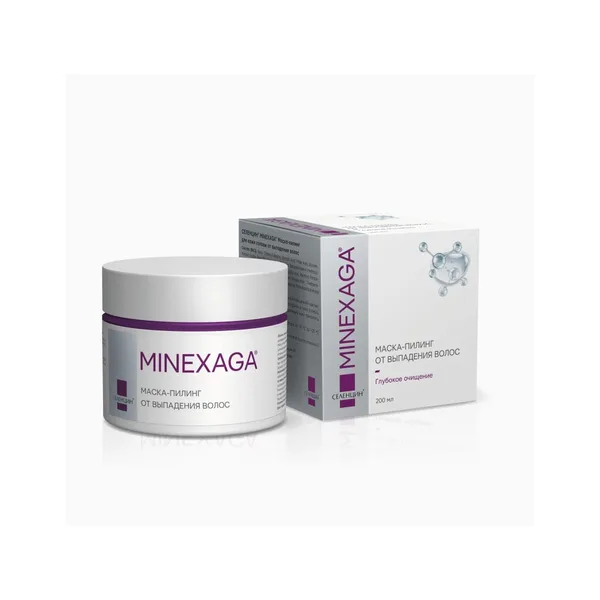
LabReadAI label score
How the score is calculated- Actives and evidence0.8Actives with strong evidence: 2 of 6
- Completeness for the purpose1.0For “hair shedding (topical)” — 99 %; below threshold: aminexil (diaminopyrimidine oxide), niacinamide (vitamin b3); a broad formula across 4 purposes
- Tolerance0.2Rinse-off product; debatable groups: menthol, isothiazolinone preservatives (MIT/MCI) (skin test positive in 6 of 100 tested), isothiazolinone preservatives (MIT/MCI), fragrance and its allergens (skin test positive in 13 of 100 tested); use together with care: glycolic acid + salicylic acid (bha), niacinamide (vitamin b3) + glycolic acid
- adults
- oily skin
- dry skin
- colour-treated hair
- pregnancysalicylates — ask a doctor
- sensitive skintingling, start 1–2 times a week
- before sunSPF is a must in the daytime
- acne-pronemay clog pores in leave-on face products
- babiesnot applied to a baby face or near the nose
- atopic skinfragrance is a common trigger
Ingredients — 20 components, 6 of them active
The rest is the formula base: it holds texture, shelf life and application, and is not meant to act.
What works: 6 of 20 ingredients: glycolic acid, salicylic acid, lactobionic acid and 3 more. Topical products against shedding work weakly: only minoxidil is proven (a medicine we do not score); among cosmetics rosemary oil has moderate data, caffeine weak. The cause of shedding is found by tests: iron, thyroid, vitamin D.
Strengths: completeness for the purpose
What lowers the score: actives and evidence: actives with strong evidence: 2 of 6; tolerance: rinse-off product
Questions: menthol — gives a cooling sensation and mild numbing. It irritates sensitive skin and mucous membranes, and it worsens redness in rosacea.; fragrance and its allergens: fragrance — the fragrance and its aromatic components; the EU requires 26 of them to be listed separately — matters to people allergic to fragrance, does not affect how the product works; isothiazolinone preservatives (MIT/MCI): methylchloroisothiazolinone, methylisothiazolinone
- Niacinamide (vitamin B3) + Glycolic acid — use together with careniacinamide needs a pH of 5 or above, glycolic acid about 3.5; in one product one of the two works worse — better to apply them at different times
- Niacinamide (vitamin B3) + Salicylic acid (BHA) — reinforce each otherniacinamide cuts sebum and redness, the BHA clears pores — an acne classic
- Glycolic acid + Salicylic acid (BHA) — use together with careAHA + BHA together dry and irritate; alternate for sensitive skin
- Aqua base: coating, fillers · water — the solvent and base; listed first because there is more of it than anything else; in supplements — part of the capsule shell
- Cetearyl Alcohol base: coating, fillers · a fatty-alcohol blend (C16–C18), an emulsifier and thickener, does not dry the skin; paired with ceteareth-20 — 4 of 5; rarely clogs pores in leave-on face products
- Glycolic Acid works · the active ingredient — what the product is for; form: AHA acid
- Malic Acid base: coating, fillers · keeps the acidity of the product within the right range
- Glycerin base: coating, fillers · a humectant: coats the tablet, holds moisture in creams and shampoos; does not clog pores
- Arctium Lappa Seed Oil base: coating, fillers · fills the gaps between skin flakes, so the surface feels smooth
- Cetrimonium Chloride base: coating, fillers · soften, condition and carry the actives; the backbone of the texture
- Behentrimonium Methosulfate base: coating, fillers · soften, condition and carry the actives; the backbone of the texture
- Ethylhexyl Stearate base: coating, fillers · an ester emollient; may clog pores in leave-on face products (data from derived lists, not the primary source)
- Propylene Glycol base: coating, fillers · humectants and solvents — hold water and help actives dissolve
- Salicylic Acid works · the active ingredient — what the product is for; form: salicylic acid
- Menthol questions · gives a cooling sensation and mild numbing. It irritates sensitive skin and mucous membranes, and it worsens redness in rosacea.
- Panthenol works · the active ingredient — what the product is for; form: panthenol
- Lactobionic Acid works · the active ingredient — what the product is for; form: lactobionic acid (PHA)
- Diaminopyrimidine Oxide works · the active ingredient — what the product is for; form: aminexil
- Niacinamide works · the active ingredient — what the product is for; form: niacinamide
- Triethanolamine base: coating, fillers · a pH adjuster and thickener neutraliser; rarely clogs pores in leave-on face products
- Allantoin base: coating, fillers · amino acids, lipids and sugars akin to the skin’s own components — support for its barrier
- Parfum questions · the fragrance and its aromatic components; the EU requires 26 of them to be listed separately — matters to people allergic to fragrance, does not affect how the product works
- Methylchloroisothiazolinone questions · preservatives; banned in EU leave-on products and limited in rinse-off (0.0015%) — a frequent cause of contact allergy
- Methylisothiazolinone questions · preservatives; banned in EU leave-on products and limited in rinse-off (0.0015%) — a frequent cause of contact allergy
Selencin Minexaga Peeling Mask is a product whose active ingredient is glycolic acid + salicylic acid (bha) + lactobionic acid (pha) + aminexil (diaminopyrimidine oxide). The concentration is not declared, but the active sits above the 1 % line in the list — a working share is likely. The effect is supported by studies: glycolic acid, niacinamide (vitamin b3). The effect is moderately supported: salicylic acid (bha), lactobionic acid (pha), panthenol (pro-vitamin b5). There is little evidence of effect: aminexil (diaminopyrimidine oxide). The formula has 20 ingredients, 6 of which do the work; the rest is the formula base. Worth noting: Menthol (gives a cooling sensation and mild numbing. It irritates sensitive skin and mucous membranes, and it worsens redness in rosacea.); Parfum (the fragrance and its aromatic components; the EU requires 26 of them to be listed separately — matters to people allergic to fragrance, does not affect how the product works); Methylchloroisothiazolinone, Methylisothiazolinone. Use together with care: niacinamide (vitamin b3) + glycolic acid; glycolic acid + salicylic acid (bha). Well-matched pairs in the formula: niacinamide (vitamin b3) + salicylic acid (bha). Topical products against shedding work weakly: only minoxidil is proven (a medicine we do not score); among cosmetics rosemary oil has moderate data, caffeine weak. The cause of shedding is found by tests: iron, thyroid, vitamin D. By the list, no alcohol (alcohol denat), sulfates (SLS/SLES), formaldehyde releasers, parabens, mineral oils and petrolatum, soap, silicones, gelatin in the coating, toning dyes, tar. Suitable for: adults, oily skin, dry skin, colour-treated hair. pregnancy, sensitive skin, before sun, acne-prone, babies, atopic skin — ask a doctor. rosacea, eczema, children, prone to contact allergy, fragrance allergy — not without a doctor. Use: in the evening, 2–3 times a week; SPF in the daytime. When to expect an effect: texture, glow — 2–4 weeks. Label score — 5.0 out of 10 (actives with strong evidence: 2 of 6; for “hair shedding (topical)” — 99 %; below threshold: aminexil (diaminopyrimidine oxide), niacinamide (vitamin b3); a broad formula across 4 purposes; rinse-off product; debatable groups: menthol, isothiazolinone preservatives (mit/mci) (skin test positive in 6 of 100 tested), isothiazolinone preservatives (mit/mci), fragrance and its allergens (skin test positive in 13 of 100 tested); use together with care: glycolic acid + salicylic acid (bha), niacinamide (vitamin b3) + glycolic acid). Per the pack: for external use, do not apply to broken skin, avoid contact with the eyes. A restatement of the label, not an assessment.
Who it does not suit
- rosacea, eczemanot on inflamed skin
- childrenonly if prescribed
- prone to contact allergyone of the most frequent cosmetic allergens
- fragrance allergyrisk of reaction
When to stop: burning, persistent redness — stop; do not use the same evening as a retinoid; burning, persistent redness — stop; itching, redness or rash — stop; persistent burning — stop
Per the maker's leaflet: Per the pack: for external use, do not apply to broken skin, avoid contact with the eyes. A restatement of the label, not an assessment.
Is this product right for your hair?
The score describes the formula, not your hair: a sulfate shampoo suits an oily scalp and fails a dry, sensitive one. Tell us about your hair, scalp and the problem — shedding, dandruff, oiliness, dryness — and we will build a routine and say whether this product suits you.
Similar products
Same nutrient and the same purpose — closest by form and dose. Each has its own score by the same method, so you can see whether there is an option nearby that is more honest or simpler in composition.
 LibredermLIBREDERM HyaluMax Scalp Peeling7.1
 KerasysKerasys Proactive Man 2-in-1 men’s anti-dandruff and anti-shedding shampoo6.6
 СеленцинSelencin Minexaga intensive anti-hair-loss shampoo5.1
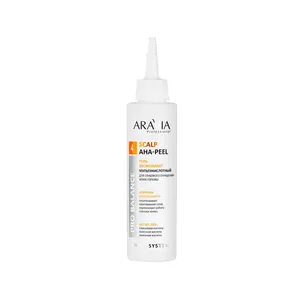 Aravia ProfessionalARAVIA Professional Scalp AHA Peel4.5
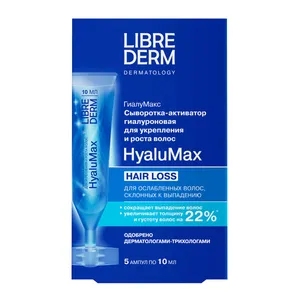 LibredermLIBREDERM HyaluMax Hair Activator Serum7.6
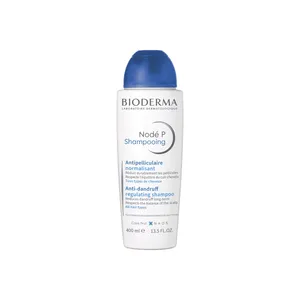 BiodermaBioderma Nodé P Normalising Shampoo7.5
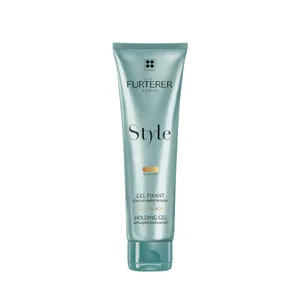 René FurtererRené Furterer Style Strong Hold Styling Gel7.3
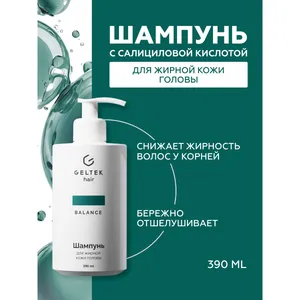 ГельтекGeltek shampoo for oily scalp and hair with salicylic acid7.2