Formula · 7.7
Brand · 7.7
CELIMAX · creamy toner, six ceramides · South Korea
CELIMAX Dual Barrier Creamy Toner
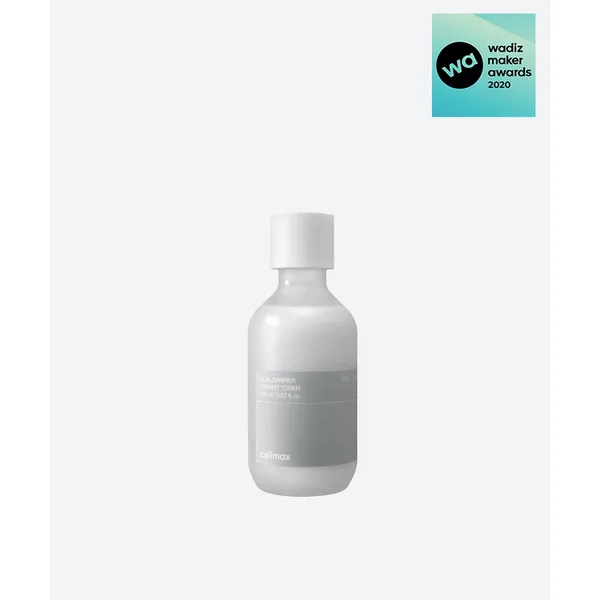
LabReadAI label score
How the score is calculated- Actives and evidence0.7Actives with strong evidence: 1 of 5
- Active concentration1.0Actives sit above the 1 % line — by list order a working concentration is 86 % likely
- Completeness for the purpose0.6For “dryness and a damaged barrier” — 58 %; without petrolatum or mineral oil, which seal moisture; a broad formula across 4 purposes
- Tolerance1.0No ingredients from irritant or allergen lists
- adults
- pregnancyallowed per the leaflet
- sensitive skin
- children
- babies
- atopic skin
- colour-treated hair
- dry skin
- oily skin
- tree nut allergya nut oil — best avoided with a severe tree nut allergy
Ingredients — 28 components, 5 of them active
The rest is the formula base: it holds texture, shelf life and application, and is not meant to act.
What works: 5 of 28 ingredients: panthenol, macadamia oil, hyaluronic acid and 2 more. Dry skin needs three things at once: draw water in (glycerin, hyaluronate), rebuild the barrier (ceramides with cholesterol, panthenol) and seal moisture with a film (petrolatum, oils). One of the three is half the job.
Strengths: active concentration, tolerance
What lowers the score: actives and evidence: actives with strong evidence: 1 of 5; completeness for the purpose: for “dryness and a damaged barrier” — 58 %
Questions: no debatable ingredients in the formula
- Hyaluronic acid + Panthenol (pro-vitamin B5) — reinforce each othertwo humectants with different action: moisture plus soothing
- Ceramides + skin-identical components — reinforce each otherceramides with cholesterol and fatty acids restore the barrier better than alone
- Ceramides + Hyaluronic acid — reinforce each otherhyaluronate draws moisture in, ceramides keep it
- Water base: coating, fillers · water — the solvent and base; listed first because there is more of it than anything else; in supplements — part of the capsule shell
- Dipropylene Glycol base: coating, fillers · humectants and solvents — hold water and help actives dissolve
- Glycerin base: coating, fillers · a humectant: coats the tablet, holds moisture in creams and shampoos; does not clog pores
- Glycereth-26 base: coating, fillers · humectants and solvents — hold water and help actives dissolve
- 1,2-Hexanediol base: coating, fillers · a solvent and humectant with antimicrobial action: it helps the product keep without classic preservatives.
- Dipentaerythrityl Hexa C5-9 Acid Esters base: coating, fillers · soften, condition and carry the actives; the backbone of the texture
- Panthenol works · the active ingredient — what the product is for; form: panthenol
- Hydroxyethyl Acrylate/Sodium Acryloyldimethyl Taurate Copolymer base: coating, fillers · hold the texture: gels, creams and foam do not separate
- Macadamia Integrifolia Seed Oil works · the active ingredient — what the product is for; form: macadamia seed oil
- Caprylic/Capric Triglyceride base: coating, fillers · a coconut-oil fraction, a light emollient and carrier of actives; does not clog pores
- Styrene/VP Copolymer base: coating, fillers · hold the texture: gels, creams and foam do not separate
- Phenyl Trimethicone base: coating, fillers · form a smooth film and shine; inert and not absorbed — a preference question, not a safety one
- Ethylhexylglycerin base: coating, fillers · a preservative booster and skin-conditioning ingredient: it barely preserves on its own but helps phenoxyethanol work and lowers the amount needed.
- Phytosteryl/Octyldodecyl Lauroyl Glutamate base: coating, fillers · soften, condition and carry the actives; the backbone of the texture
- Allantoin works · the active ingredient — what the product is for; form: allantoin
- Acrylates/C10-30 Alkyl Acrylate Crosspolymer base: coating, fillers · hold the texture: gels, creams and foam do not separate
- Tromethamine base: coating, fillers · tune the acidity and texture; salt is a common shampoo thickener
- Hydrogenated Lecithin base: coating, fillers · soften, condition and carry the actives; the backbone of the texture
- Disodium EDTA base: coating, fillers · bind hard-water metals so the formula stays stable and the foam works
- Sodium Hyaluronate works · the active ingredient — what the product is for; form: sodium hyaluronate
- Sorbitan Isostearate base: coating, fillers · a water-in-oil emulsifier; rarely clogs pores in leave-on face products
- Heptasodium Hexacarboxymethyl Dipeptide-12 base: coating, fillers · softens the skin and helps it hold water — the most common role in creams
- Sorbic Acid base: coating, fillers · stops bacteria and mould growing in the jar
- Glyceryl Stearate base: coating, fillers · the basic cream emulsifier (neutral NSE form); the self-emulsifying SE form with added potassium stearate is a separate entry, 3 of 5; does not clog pores
- Phytosphingosine base: coating, fillers · amino acids, lipids and sugars akin to the skin’s own components — support for its barrier
- Ceramide NP works · the active ingredient — what the product is for; form: ceramides NP, AP, EOP
- 2,3-Butanediol base: coating, fillers · humectants and solvents — hold water and help actives dissolve
- Tocopherol base: coating, fillers · vitamin E at hundredths of a percent: keeps the oils of the formula (a cream or a capsule fill) from going rancid; at that share it protects the product, it is not vitamin E as an active
- Ceramide NS works · the active ingredient — what the product is for; form: ceramides NP, AP, EOP
- Ceramide AS works · the active ingredient — what the product is for; form: ceramides NP, AP, EOP
- Ceramide AP works · the active ingredient — what the product is for; form: ceramides NP, AP, EOP
- Cholesterol base: coating, fillers · amino acids, lipids and sugars akin to the skin’s own components — support for its barrier
- Ceramide EOP works · the active ingredient — what the product is for; form: ceramides NP, AP, EOP
CELIMAX Dual Barrier Creamy Toner is a product whose active ingredient is panthenol (pro-vitamin b5) + macadamia oil + hyaluronic acid + allantoin. The concentration is not declared, but the active sits above the 1 % line in the list — a working share is likely. The effect is moderately supported: panthenol (pro-vitamin b5), hyaluronic acid, allantoin. There is little evidence of effect: macadamia oil. The effect is supported by studies: ceramides. The formula has 28 ingredients, 5 of which do the work; the rest is the formula base. Well-matched pairs in the formula: hyaluronic acid + panthenol (pro-vitamin b5); ceramides + skin-identical components; ceramides + hyaluronic acid. Dry skin needs three things at once: draw water in (glycerin, hyaluronate), rebuild the barrier (ceramides with cholesterol, panthenol) and seal moisture with a film (petrolatum, oils). One of the three is half the job. By the list, no alcohol (alcohol denat), sulfates (SLS/SLES), formaldehyde releasers, isothiazolinones (MIT/MCI), parabens, mineral oils and petrolatum, soap, fragrance, gelatin in the coating, toning dyes, tar. Suitable for: adults, pregnancy, sensitive skin, children, babies, atopic skin, colour-treated hair, dry skin, oily skin. tree nut allergy — ask a doctor. Use: any time, can be applied often. When to expect an effect: soothing — days; barrier — 2–4 weeks. Label score — 7.7 out of 10 (actives with strong evidence: 1 of 5; actives sit above the 1 % line — by list order a working concentration is 86 % likely; for “dryness and a damaged barrier” — 58 %; without petrolatum or mineral oil, which seal moisture; a broad formula across 4 purposes).
Who it does not suit
When to stop: tightness in dry air — apply under a cream
Is this product right for your skin?
The score describes the formula, not your skin: the same product dries one person and saves another. Describe your skin type, reactions and goals, attach a photo of the ingredient list or the product — we will go through every ingredient and say whether it suits you, what to pair it with and what to avoid.
Similar products
Same nutrient and the same purpose — closest by form and dose. Each has its own score by the same method, so you can see whether there is an option nearby that is more honest or simpler in composition.
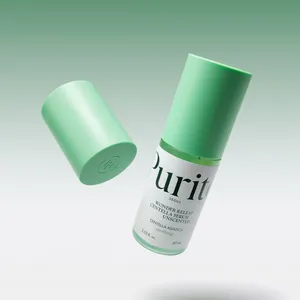 Purito SeoulPurito Seoul Wonder Releaf Centella Serum Unscented8.7
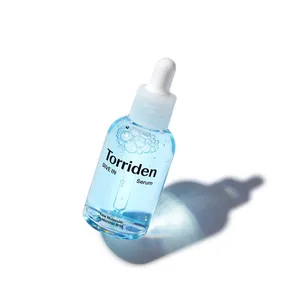 TorridenTorriden DIVE-IN Low Molecular Hyaluronic Acid Serum8.2
 Round LabRound Lab 1025 Dokdo Toner8.2
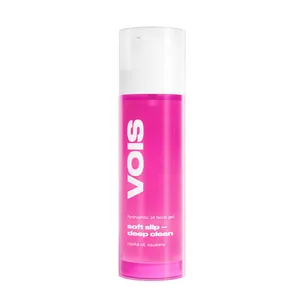 VOISVOIS Facial Foam with Hyaluronic Acid7.9
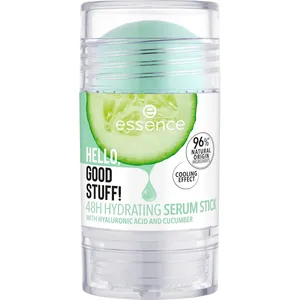 essenceessence hello, good stuff! 48h Hydrating Serum Stick7.6
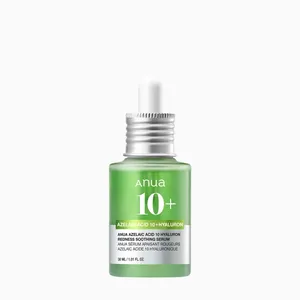 AnuaAnua Azelaic Acid 10 Hyaluron Redness Soothing Serum8.7
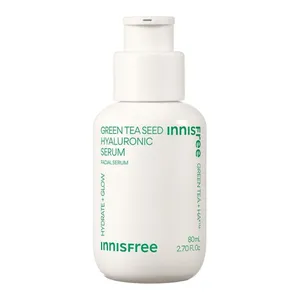 innisfreeinnisfree Green Tea Seed Hyaluronic Serum8.7
 Purito SeoulPURITO Wonder Releaf Centella Eye Cream Unscented8.4