Formula · 5.0
Brand · 5.6
Лошадиная сила · a blend of plant oils · Russia
Horse Force TOP 10 Oils Formula
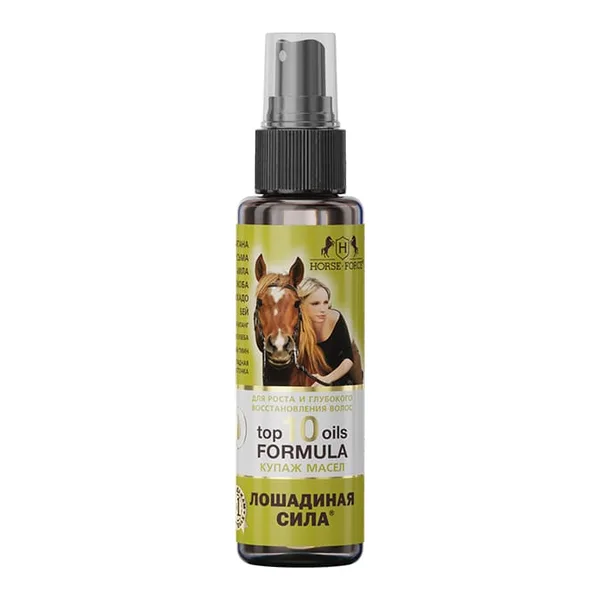
LabReadAI label score
How the score is calculated- Actives and evidence0.4Actives with strong evidence: 0 of 2
- Completeness for the purpose0.5For “dry and damaged hair” — 53 %; panthenol (pro-vitamin b5); could be added without conflict: panthenol (pro-vitamin b5); a broad formula across 3 purposes
- Tolerance0.7Comedogenic ingredients at a notable share (may clog pores): avocado oil, isopropyl palmitate
- adults
- pregnancyallowed per the leaflet
- sensitive skin
- dry skin
- oily skin
- acne-pronemay clog pores in leave-on face products
Ingredients — 16 components, 2 of them active
The rest is the formula base: it holds texture, shelf life and application, and is not meant to act.
What works: 2 of 16 ingredients: argan oil, jojoba oil. Damaged hair is helped on two fronts: oils that penetrate the shaft (only coconut oil is proven) and a film on the outside — silicones, panthenol, hydrolysed proteins. One from each front is enough; “collagen” and “biotin” in a shampoo work only on the label.
What lowers the score: actives and evidence: actives with strong evidence: 0 of 2; completeness for the purpose: for “dry and damaged hair” — 53 %; tolerance: comedogenic ingredients at a notable share: avocado oil, isopropyl palmitate
Questions: no debatable ingredients in the formula
- isopropyl palmitate base: coating, fillers · emollient/base; may clog pores in leave-on face products
- persea gratissima (avocado) oil base: coating, fillers · a rich nourishing oil; may clog pores in leave-on face products
- vitis vinifera (grape) seed oil works · the active ingredient — what the product is for; form: seed oil
- isatis tinctoria oil base: coating, fillers · the plant base: emollient oils, waxes and care extracts
- nigella sativa (black cumin) seed oil base: coating, fillers · the plant base: emollient oils, waxes and care extracts
- emblica officinalis (amla) fruit powder seed oil base: coating, fillers · the plant base: emollient oils, waxes and care extracts
- argania spinosa kernel oil works · the active ingredient — what the product is for; form: argan oil
- simmondsia chinensis (jojoba) seed oil works · the active ingredient — what the product is for; form: seed oil
- cananga odorata (ylang-ylang) oil base: coating, fillers · the plant base: emollient oils, waxes and care extracts
- ethylhexylglycerin base: coating, fillers · a preservative booster and skin-conditioning ingredient: it barely preserves on its own but helps phenoxyethanol work and lowers the amount needed.
- phenoxyethanol base: coating, fillers · the most widespread cosmetic preservative: it keeps the product sterile. Permitted in the EU up to 1 %, recognised as safe at that level.
- litsea cubeba oil base: coating, fillers · the plant base: emollient oils, waxes and care extracts
- pimenta racemosa mill base: coating, fillers · the plant base: emollient oils, waxes and care extracts
- tocopherol (mixed base: coating, fillers · vitamin E at hundredths of a percent: keeps the oils of the formula (a cream or a capsule fill) from going rancid; at that share it protects the product, it is not vitamin E as an active
- beta-sitosterol base: coating, fillers · helps the water-and-oil mix stay together in storage
- squalene base: coating, fillers · fills the gaps between skin flakes, so the surface feels smooth
- glyceryl linolenate base: coating, fillers · fills the gaps between skin flakes, so the surface feels smooth
Horse Force TOP 10 Oils Formula is a product whose active ingredient is argan oil + jojoba oil. The concentration is not declared, but the active sits above the 1 % line in the list — a working share is likely. There is little evidence of effect: argan oil, jojoba oil. The formula has 16 ingredients, 2 of which do the work; the rest is the formula base. Damaged hair is helped on two fronts: oils that penetrate the shaft (only coconut oil is proven) and a film on the outside — silicones, panthenol, hydrolysed proteins. One from each front is enough; “collagen” and “biotin” in a shampoo work only on the label. By the list, no alcohol (alcohol denat), sulfates (SLS/SLES), formaldehyde releasers, isothiazolinones (MIT/MCI), parabens, mineral oils and petrolatum, soap, silicones, fragrance, gelatin in the coating, toning dyes, tar. Suitable for: adults, pregnancy, sensitive skin, dry skin, oily skin. acne-prone — ask a doctor. Use: on the ends, leave-in. When to expect an effect: softness and shine — right away, until the next wash. Label score — 5.0 out of 10 (actives with strong evidence: 0 of 2; for “dry and damaged hair” — 53 %; panthenol (pro-vitamin b5); could be added without conflict: panthenol (pro-vitamin b5); a broad formula across 3 purposes; comedogenic ingredients at a notable share (may clog pores): avocado oil, isopropyl palmitate). Per the pack: for external use, avoid contact with the eyes. A restatement of the label, not an assessment.
Who it does not suit
Per the maker's leaflet: Per the pack: for external use, avoid contact with the eyes. A restatement of the label, not an assessment.
Is this product right for your hair?
The score describes the formula, not your hair: a sulfate shampoo suits an oily scalp and fails a dry, sensitive one. Tell us about your hair, scalp and the problem — shedding, dandruff, oiliness, dryness — and we will build a routine and say whether this product suits you.
Similar products
Same nutrient and the same purpose — closest by form and dose. Each has its own score by the same method, so you can see whether there is an option nearby that is more honest or simpler in composition.
 Planeta OrganicaPlaneta Organica Savon De Alep Anti-Dandruff Shampoo7.7
 MoroccanoilMoroccanoil Treatment Original oil for all hair types6.9
 René FurtererRené Furterer Style Strong Hold Styling Gel7.3
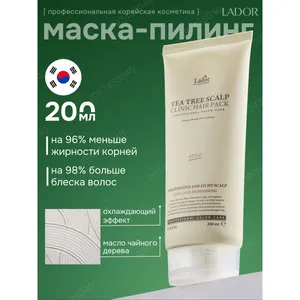 La’dorLa’dor Tea Tree Scalp Clinic hair and scalp pack with tea tree7.2
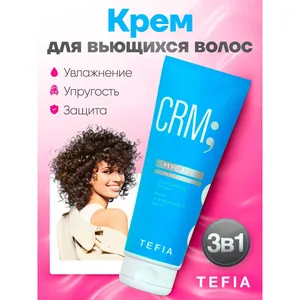 TefiaTefia MyCare smoothing cream for curly hair6.6
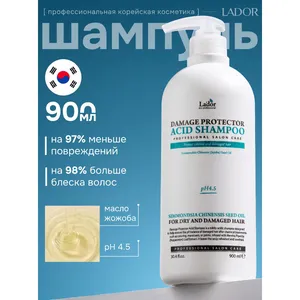 La’dorLa’dor Damage Protector Acid shampoo with jojoba oil for damaged hair6.1
 René FurtererRené Furterer Style Heat Protection Spray4.3
 AleranaAlerana anti-shedding shampoo “Intensive nutrition” for dry and damaged hair2.5