Formula · 7.4
Brand · 6.8
Natura Siberica · zinc PCA + probiotic lysates · Russia
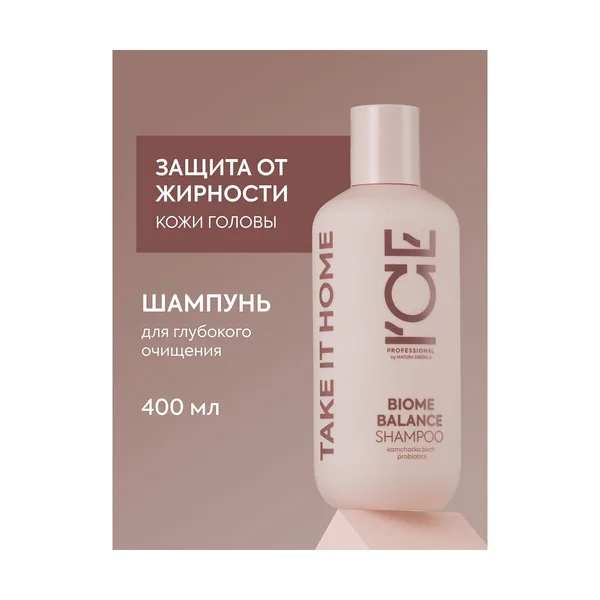
ICE by Natura Siberica balancing deep-cleansing shampoo
LabReadAI label score
How the score is calculated- Actives and evidence0.8Effect moderately supported
- Completeness for the purpose1.0For “oily scalp” — 100 %; rice starch; nettle extract; glycolic acid; could be added without conflict: rice starch, nettle extract, glycolic acid; a broad formula across 3 purposes
- Cleansing base0.6Harsh surfactants: sodium laureth sulfate (SLES); mild surfactants: cocamidopropyl betaine; irritation potential of the base — 40 % of SLS
- Tolerance0.6Rinse-off product; debatable groups: benzyl alcohol, cocamide DEA, fragrance and its allergens (skin test positive in 13 of 100 tested)
- adults
- oily skin
- acne-prone
- pregnancyallowed per the leaflet
- sensitive skinirritation possible
- atopic skinfragrance is a common trigger
- dry scalpmay dry
Ingredients — 23 components, 1 of them active
The rest is the formula base: it holds texture, shelf life and application, and is not meant to act.
What works: 1 of 23 ingredients: zinc pca. An oily scalp needs either absorbents (dry shampoo) or sebum-reducing actives (zinc PCA, salicylic acid) and a cleansing base without heavy films.
Strengths: completeness for the purpose
What lowers the score: actives and evidence: effect moderately supported; cleansing base: harsh surfactants: sodium laureth sulfate; tolerance: rinse-off product
Questions: sodium laureth sulfate (SLES): sodium laureth sulfate — the main cleansing surfactant; can dry a sensitive scalp — the reason people look for «sulfate-free»; unrestricted in rinse-off products; cocamide DEA — a thickener and foam booster. It is restricted: in the presence of nitrites diethanolamides can form nitrosamines, so the regulator caps secondary amines and forbids nitrosating additives; California lists it under Proposition 65.; benzyl alcohol; fragrance and its allergens: fragrance, limonene
- Aqua base: coating, fillers · water — the solvent and base; listed first because there is more of it than anything else; in supplements — part of the capsule shell
- Betula Alba Bark Extract base: coating, fillers · gives taste — in toothpastes and mouth products
- Juniperus Sibirica Needle Extract base: coating, fillers · draws water in and holds it in the upper layer of the skin
- Melilotus Albus Flower/Leaf/Stem Extract base: coating, fillers · holds back the growth of bacteria and fungi
- Lavandula Angustifolia Extract base: coating, fillers · plant and algae extracts and floral waters: flavouring and marketing components — at these shares there is no proven effect on the skin; rare reactions in people allergic to that particular plant
- Mentha Arvensis Leaf Extract base: coating, fillers · plant and algae extracts and floral waters: flavouring and marketing components — at these shares there is no proven effect on the skin; rare reactions in people allergic to that particular plant
- Usnea Barbata Extract base: coating, fillers · plant and algae extracts and floral waters: flavouring and marketing components — at these shares there is no proven effect on the skin; rare reactions in people allergic to that particular plant
- Sodium Laureth Sulfate questions · the main cleansing surfactant; can dry a sensitive scalp — the reason people look for «sulfate-free»; unrestricted in rinse-off products
- Cocamidopropyl Betaine base: coating, fillers · a mild amphoteric surfactant: it builds dense foam and softens the harsh sulfates next to it. It occasionally causes contact allergy, and the culprit is a manufacturing impurity rather than the ingredient itself.
- Cocamide DEA questions · a thickener and foam booster. It is restricted: in the presence of nitrites diethanolamides can form nitrosamines, so the regulator caps secondary amines and forbids nitrosating additives; California lists it under Proposition 65.
- Polyquaternium-7 base: coating, fillers · a conditioning polymer: it removes static, makes combing easier and softens the foam.
- Sodium Chloride base: coating, fillers · tune the acidity and texture; salt is a common shampoo thickener
- Zinc PCA works · the active ingredient — what the product is for; form: zinc PCA
- Benzyl Alcohol questions · a preservative and solvent permitted in the EU up to 1 %. It is also on the list of 26 fragrance allergens that must be declared separately, which matters to people allergic to fragrance.
- Lactobacillus Ferment Lysate base: coating, fillers · skin-microbiome ferments, prebiotics and formula antioxidants
- Bifida Ferment Lysate base: coating, fillers · skin-microbiome ferments, prebiotics and formula antioxidants
- Lactococcus Ferment Lysate base: coating, fillers · softens the skin and helps it hold water — the most common role in creams
- Glycerin base: coating, fillers · a humectant: coats the tablet, holds moisture in creams and shampoos; does not clog pores
- 1,2-Hexanediol base: coating, fillers · a solvent and humectant with antimicrobial action: it helps the product keep without classic preservatives.
- Sodium Benzoate base: coating, fillers · a preservative both in cosmetics and in supplements: a salt of benzoic acid that works in an acidic medium. Permitted as food additive E211 and in cosmetics up to 0.5 %.
- Potassium Sorbate base: coating, fillers · a mild preservative against mould and yeast: used both in cosmetics and in foods and supplements (E202).
- Citric Acid base: coating, fillers · acidity regulator
- Parfum questions · the fragrance and its aromatic components; the EU requires 26 of them to be listed separately — matters to people allergic to fragrance, does not affect how the product works
- Limonene questions · the fragrance and its aromatic components; the EU requires 26 of them to be listed separately — matters to people allergic to fragrance, does not affect how the product works
ICE by Natura Siberica balancing deep-cleansing shampoo is a product whose active ingredient is zinc pca. The concentration is not declared, but the active sits above the 1 % line in the list — a working share is likely. The effect is moderately supported: reduces sebum output and acne bacteria growth at low concentrations. The formula has 23 ingredients, 1 of which does the work; the rest is the formula base. Worth noting: Sodium Laureth Sulfate (the main cleansing surfactant; can dry a sensitive scalp — the reason people look for «sulfate-free»; unrestricted in rinse-off products); Cocamide DEA (a thickener and foam booster. It is restricted: in the presence of nitrites diethanolamides can form nitrosamines, so the regulator caps secondary amines and forbids nitrosating additives; California lists it under Proposition 65.); Benzyl Alcohol; Parfum, Limonene. An oily scalp needs either absorbents (dry shampoo) or sebum-reducing actives (zinc PCA, salicylic acid) and a cleansing base without heavy films. By the list, no alcohol (alcohol denat), formaldehyde releasers, isothiazolinones (MIT/MCI), parabens, mineral oils and petrolatum, soap, silicones, gelatin in the coating, toning dyes, tar. Suitable for: adults, oily skin, acne-prone, pregnancy. sensitive skin, atopic skin, dry scalp — ask a doctor. fragrance allergy — not without a doctor. Use: morning and evening. When to expect an effect: sebum, shine — 2–4 weeks. Label score — 7.4 out of 10 (effect moderately supported; harsh surfactants: sodium laureth sulfate (sles); mild surfactants: cocamidopropyl betaine; irritation potential of the base — 40 % of sls; rinse-off product; debatable groups: benzyl alcohol, cocamide dea, fragrance and its allergens (skin test positive in 13 of 100 tested)). Per the pack: avoid contact with eyes; rinse thoroughly with water on contact. A restatement of the label, not an assessment.
Who it does not suit
- fragrance allergyrisk of reaction
When to stop: tightness, flaking — use less often or stop
Per the maker's leaflet: Per the pack: avoid contact with eyes; rinse thoroughly with water on contact. A restatement of the label, not an assessment.
Is this product right for your hair?
The score describes the formula, not your hair: a sulfate shampoo suits an oily scalp and fails a dry, sensitive one. Tell us about your hair, scalp and the problem — shedding, dandruff, oiliness, dryness — and we will build a routine and say whether this product suits you.
Similar products
Same nutrient and the same purpose — closest by form and dose. Each has its own score by the same method, so you can see whether there is an option nearby that is more honest or simpler in composition.