Formula · 5.3
Brand · 5.6
Klorane · cinchona bark + caffeine · France
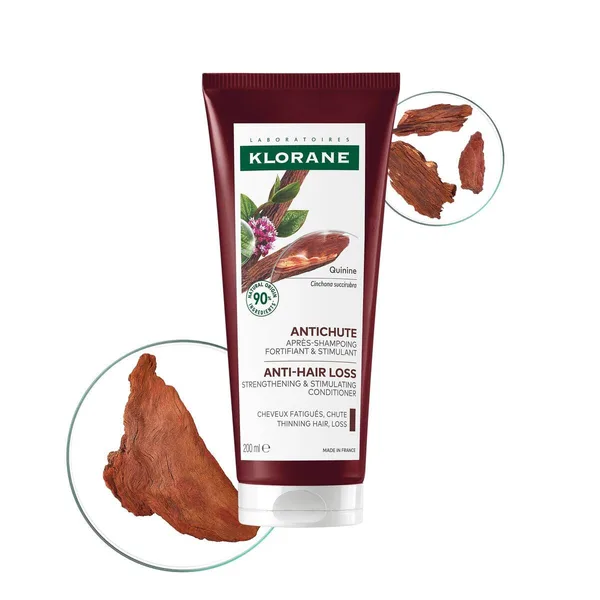
Klorane Quinine Anti-Hair-Loss Conditioner
LabReadAI label score
How the score is calculated- Actives and evidence0.3No proven effect when applied: cinchona bark extract
- Completeness for the purpose0.5For “hair shedding (topical)” — 53 %; niacinamide (vitamin b3); could be added without conflict: niacinamide (vitamin b3); a narrow formula for one purpose
- Cleansing base0.8Mild surfactants: mild surfactants and emulsifiers; irritation potential of the base — 15 % of SLS
- Tolerance0.8Rinse-off product; debatable groups: denatured alcohol, fragrance and its allergens (skin test positive in 13 of 100 tested)
- adults
- colour-treated hair
- pregnancyno studies in pregnancy — discuss with a doctor
- sensitive skinirritation possible
- dry skinmay dry
- atopic skinfragrance is a common trigger
Ingredients — 19 components, 2 of them active
The rest is the formula base: it holds texture, shelf life and application, and is not meant to act.
What works: 2 of 19 ingredients: caffeine, cinchona bark extract. Topical products against shedding work weakly: only minoxidil is proven (a medicine we do not score); among cosmetics rosemary oil has moderate data, caffeine weak. The cause of shedding is found by tests: iron, thyroid, vitamin D.
Strengths: cleansing base
What lowers the score: actives and evidence: no proven effect when applied: cinchona bark extract; completeness for the purpose: for “hair shedding” — 53 %; tolerance: rinse-off product
Questions: denatured alcohol: alcohol — evaporates fast and degreases; frequent contact can dry the skin — a tolerance question, not a regulatory one; does not clog pores; fragrance and its allergens: fragrance — the fragrance and its aromatic components; the EU requires 26 of them to be listed separately — matters to people allergic to fragrance, does not affect how the product works
- WATER (AQUA)* base: coating, fillers · water — the solvent and base; listed first because there is more of it than anything else; in supplements — part of the capsule shell
- HYDROXYPROPYL STARCH PHOSPHATE base: coating, fillers · hold the texture: gels, creams and foam do not separate
- CETEARYL ALCOHOL base: coating, fillers · a fatty-alcohol blend (C16–C18), an emulsifier and thickener, does not dry the skin; paired with ceteareth-20 — 4 of 5; rarely clogs pores in leave-on face products
- BEHENAMIDOPROPYL DIMETHYLAMINE* base: coating, fillers · keeps the water and oil parts from separating
- GLYCERIN* base: coating, fillers · a humectant: coats the tablet, holds moisture in creams and shampoos; does not clog pores
- COCO-CAPRYLATE/CAPRATE* base: coating, fillers · soften, condition and carry the actives; the backbone of the texture
- 1,2-HEXANEDIOL base: coating, fillers · a solvent and humectant with antimicrobial action: it helps the product keep without classic preservatives.
- CINCHONA SUCCIRUBRA BARK EXTRACT* works · the active ingredient — what the product is for; form: cinchona bark extract
- CAFFEINE works · the active ingredient — what the product is for; form: caffeine
- SODIUM DILAURAMIDOGLUTAMIDE LYSINE* base: coating, fillers · cleanse and bind water with oils; milder than the sulfate ones
- ALCOHOL* questions · evaporates fast and degreases; frequent contact can dry the skin — a tolerance question, not a regulatory one; does not clog pores
- BENZOIC ACID base: coating, fillers · protect the product from bacteria and mould; used within the EU-permitted concentrations
- BUTYLENE GLYCOL* base: coating, fillers · a humectant and solvent: it makes the texture lighter and helps actives spread. Better tolerated than propylene glycol.
- CETEARETH-33 base: coating, fillers · washes oil and dirt off skin or hair
- CITRIC ACID* base: coating, fillers · acidity regulator
- FRAGRANCE (PARFUM)* questions · the fragrance and its aromatic components; the EU requires 26 of them to be listed separately — matters to people allergic to fragrance, does not affect how the product works
- HELIANTHUS ANNUUS (SUNFLOWER) SEED OIL (HELIANTHUS ANNUUS SEED OIL)* base: coating, fillers · a light emollient oil rich in linoleic acid (in tablets — a coating component); does not clog pores
- LACTIC ACID* base: coating, fillers · tune the acidity and texture; salt is a common shampoo thickener
- TOCOPHEROL* base: coating, fillers · vitamin E at hundredths of a percent: keeps the oils of the formula (a cream or a capsule fill) from going rancid; at that share it protects the product, it is not vitamin E as an active
- TRISODIUM ETHYLENEDIAMINE DISUCCINATE base: coating, fillers · bind hard-water metals so the formula stays stable and the foam works
Klorane Quinine Anti-Hair-Loss Conditioner is a product whose active ingredient is caffeine + cinchona bark extract. The concentration is not declared, but the active sits above the 1 % line in the list — a working share is likely. There is little evidence of effect: caffeine. There is no evidence of effect: cinchona bark extract. The formula has 19 ingredients, 2 of which do the work; the rest is the formula base. Worth noting: ALCOHOL* (evaporates fast and degreases; frequent contact can dry the skin — a tolerance question, not a regulatory one; does not clog pores); FRAGRANCE (PARFUM)* (the fragrance and its aromatic components; the EU requires 26 of them to be listed separately — matters to people allergic to fragrance, does not affect how the product works). Topical products against shedding work weakly: only minoxidil is proven (a medicine we do not score); among cosmetics rosemary oil has moderate data, caffeine weak. The cause of shedding is found by tests: iron, thyroid, vitamin D. By the list, no sulfates (SLS/SLES), formaldehyde releasers, isothiazolinones (MIT/MCI), parabens, mineral oils and petrolatum, soap, silicones, gelatin in the coating, toning dyes, tar. Suitable for: adults, colour-treated hair. pregnancy, sensitive skin, dry skin, atopic skin — ask a doctor. fragrance allergy — not without a doctor. Use: in the morning, under the eyes, patting in. When to expect an effect: puffiness — within an hour, briefly; dark circles — no effect to expect. Label score — 5.3 out of 10 (no proven effect when applied: cinchona bark extract; for “hair shedding (topical)” — 53 %; niacinamide (vitamin b3); could be added without conflict: niacinamide (vitamin b3); a narrow formula for one purpose; mild surfactants: mild surfactants and emulsifiers; irritation potential of the base — 15 % of sls; rinse-off product; debatable groups: denatured alcohol, fragrance and its allergens (skin test positive in 13 of 100 tested)). Per the pack: for external use, avoid contact with the eyes. A restatement of the label, not an assessment.
Who it does not suit
- fragrance allergyrisk of reaction
Per the maker's leaflet: Per the pack: for external use, avoid contact with the eyes. A restatement of the label, not an assessment.
Is this product right for your hair?
The score describes the formula, not your hair: a sulfate shampoo suits an oily scalp and fails a dry, sensitive one. Tell us about your hair, scalp and the problem — shedding, dandruff, oiliness, dryness — and we will build a routine and say whether this product suits you.
Similar products
Same nutrient and the same purpose — closest by form and dose. Each has its own score by the same method, so you can see whether there is an option nearby that is more honest or simpler in composition.
 KloraneKlorane Quinine and Organic Edelweiss Shampoo7.1
 LibredermLIBREDERM HyaluMax Hair Activator Serum7.6
 René FurtererRené Furterer Triphasic Growth Accelerating Serum5.5
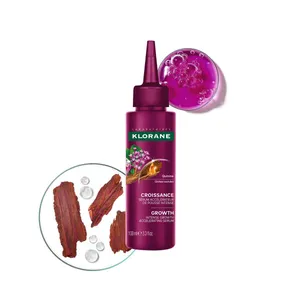 KloraneKlorane Adenosine Hair Growth Serum6.8
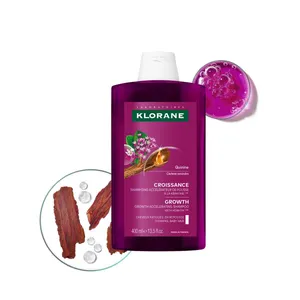 KloraneKlorane Adenosine Hair Growth Shampoo6.7
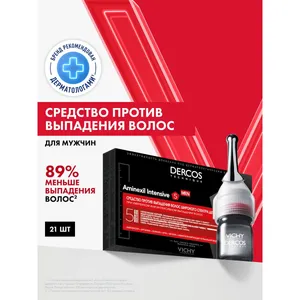 VichyVichy Dercos Aminexil Intensive 5 anti-hair-loss treatment for men, 21 ampoules7.8
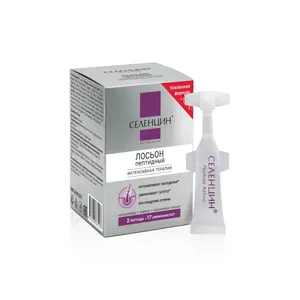 СеленцинSelencin Peptide Active Lotion7.7
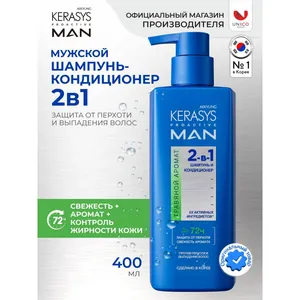 KerasysKerasys Proactive Man 2-in-1 men’s anti-dandruff and anti-shedding shampoo6.6