Formula · 6.7
Brand · 5.6
Klorane · adenosine + caffeine · France
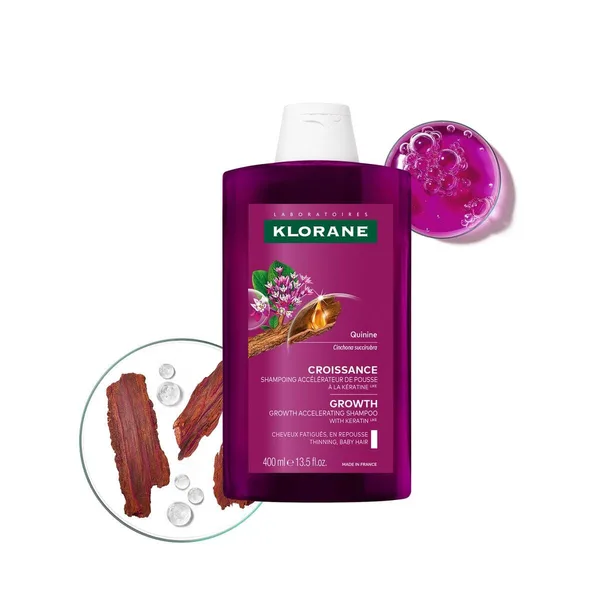
Klorane Adenosine Hair Growth Shampoo
LabReadAI label score
How the score is calculated- Actives and evidence0.4No proven effect when applied: cinchona bark extract
- Completeness for the purpose1.0For “hair shedding (topical)” — 100 %; niacinamide (vitamin b3); could be added without conflict: niacinamide (vitamin b3); a narrow formula for one purpose
- Cleansing base0.6Harsh surfactants: sodium laureth sulfate (SLES); mild surfactants: cocamidopropyl betaine, coco-glucoside; irritation potential of the base — 36 % of SLS
- Tolerance0.8Rinse-off product; debatable groups: denatured alcohol, fragrance and its allergens (skin test positive in 13 of 100 tested)
- adults
- children
- babies
- colour-treated hair
- pregnancyno studies in pregnancy — discuss with a doctor
- sensitive skinirritation possible
- atopic skinfragrance is a common trigger
- dry skinmay dry
- dry scalpmay dry
Ingredients — 23 components, 4 of them active
The rest is the formula base: it holds texture, shelf life and application, and is not meant to act.
What works: 4 of 23 ingredients: adenosine, caffeine, panthenol and 1 more. Topical products against shedding work weakly: only minoxidil is proven (a medicine we do not score); among cosmetics rosemary oil has moderate data, caffeine weak. The cause of shedding is found by tests: iron, thyroid, vitamin D.
Strengths: completeness for the purpose
What lowers the score: actives and evidence: no proven effect when applied: cinchona bark extract; cleansing base: harsh surfactants: sodium laureth sulfate; tolerance: rinse-off product
Questions: sodium laureth sulfate (SLES): sodium laureth sulfate — the main cleansing surfactant; can dry a sensitive scalp — the reason people look for «sulfate-free»; unrestricted in rinse-off products; denatured alcohol: alcohol — evaporates fast and degreases; frequent contact can dry the skin — a tolerance question, not a regulatory one; does not clog pores; fragrance and its allergens: fragrance
- WATER (AQUA)* base: coating, fillers · water — the solvent and base; listed first because there is more of it than anything else; in supplements — part of the capsule shell
- SODIUM LAURETH SULFATE questions · the main cleansing surfactant; can dry a sensitive scalp — the reason people look for «sulfate-free»; unrestricted in rinse-off products
- COCAMIDOPROPYL BETAINE base: coating, fillers · a mild amphoteric surfactant: it builds dense foam and softens the harsh sulfates next to it. It occasionally causes contact allergy, and the culprit is a manufacturing impurity rather than the ingredient itself.
- COCO-GLUCOSIDE* base: coating, fillers · a sugar surfactant made from coconut oil and glucose: it cleanses gently with modest foam. A common base for baby and sulfate-free shampoos.
- SODIUM CHLORIDE* base: coating, fillers · tune the acidity and texture; salt is a common shampoo thickener
- CINCHONA SUCCIRUBRA BARK EXTRACT* works · the active ingredient — what the product is for; form: cinchona bark extract
- ADENOSINE* works · the active ingredient — what the product is for; form: adenosine
- CAFFEINE works · the active ingredient — what the product is for; form: caffeine
- HYDROLYZED VEGETABLE PROTEIN* base: coating, fillers · proteins cut into short pieces: they settle on hair and skin as a film and make hair smooth and denser to the touch.
- PANTHENOL works · the active ingredient — what the product is for; form: panthenol
- ALCOHOL* questions · evaporates fast and degreases; frequent contact can dry the skin — a tolerance question, not a regulatory one; does not clog pores
- CITRIC ACID* base: coating, fillers · acidity regulator
- FRAGRANCE (PARFUM)* questions · the fragrance and its aromatic components; the EU requires 26 of them to be listed separately — matters to people allergic to fragrance, does not affect how the product works
- GLYCERYL OLEATE* base: coating, fillers · fills the gaps between skin flakes, so the surface feels smooth
- GREEN 3 (CI 42053 base: coating, fillers · give the product its colour; do not affect how it works
- HELIANTHUS ANNUUS (SUNFLOWER) SEED OIL (HELIANTHUS ANNUUS SEED OIL)* base: coating, fillers · a light emollient oil rich in linoleic acid (in tablets — a coating component); does not clog pores
- HYDROGENATED VEGETABLE GLYCERIDES CITRATE* base: coating, fillers · fills the gaps between skin flakes, so the surface feels smooth
- PANTOLACTONE base: coating, fillers · draws water in and holds it in the upper layer of the skin
- POLYQUATERNIUM-10 base: coating, fillers · soften, condition and carry the actives; the backbone of the texture
- POLYQUATERNIUM-22 base: coating, fillers · soften, condition and carry the actives; the backbone of the texture
- RED 33 (CI 17200 base: coating, fillers · a red colorant of decorative cosmetics; does not clog pores
- SODIUM BENZOATE base: coating, fillers · a preservative both in cosmetics and in supplements: a salt of benzoic acid that works in an acidic medium. Permitted as food additive E211 and in cosmetics up to 0.5 %.
- SODIUM HYDROXIDE* base: coating, fillers · tune the acidity and texture; salt is a common shampoo thickener
- TOCOPHEROL* base: coating, fillers · vitamin E at hundredths of a percent: keeps the oils of the formula (a cream or a capsule fill) from going rancid; at that share it protects the product, it is not vitamin E as an active
Klorane Adenosine Hair Growth Shampoo is a product whose active ingredient is adenosine + caffeine + panthenol (pro-vitamin b5) + cinchona bark extract. The concentration is not declared, but the active sits above the 1 % line in the list — a working share is likely. There is little evidence of effect: adenosine, caffeine. The effect is moderately supported: panthenol (pro-vitamin b5). There is no evidence of effect: cinchona bark extract. The formula has 23 ingredients, 4 of which do the work; the rest is the formula base. Worth noting: SODIUM LAURETH SULFATE (the main cleansing surfactant; can dry a sensitive scalp — the reason people look for «sulfate-free»; unrestricted in rinse-off products); ALCOHOL* (evaporates fast and degreases; frequent contact can dry the skin — a tolerance question, not a regulatory one; does not clog pores); FRAGRANCE (PARFUM)*. Topical products against shedding work weakly: only minoxidil is proven (a medicine we do not score); among cosmetics rosemary oil has moderate data, caffeine weak. The cause of shedding is found by tests: iron, thyroid, vitamin D. By the list, no formaldehyde releasers, isothiazolinones (MIT/MCI), parabens, mineral oils and petrolatum, soap, silicones, gelatin in the coating, toning dyes, tar. Suitable for: adults, children, babies, colour-treated hair. pregnancy, sensitive skin, atopic skin, dry skin, dry scalp — ask a doctor. fragrance allergy — not without a doctor. Use: morning and evening. When to expect an effect: wrinkles — 8 weeks, a modest effect. Label score — 6.7 out of 10 (no proven effect when applied: cinchona bark extract; harsh surfactants: sodium laureth sulfate (sles); mild surfactants: cocamidopropyl betaine, coco-glucoside; irritation potential of the base — 36 % of sls; rinse-off product; debatable groups: denatured alcohol, fragrance and its allergens (skin test positive in 13 of 100 tested)). Per the pack: for external use, avoid contact with the eyes. A restatement of the label, not an assessment.
Who it does not suit
- fragrance allergyrisk of reaction
When to stop: itching, rash — stop
Per the maker's leaflet: Per the pack: for external use, avoid contact with the eyes. A restatement of the label, not an assessment.
Is this product right for your hair?
The score describes the formula, not your hair: a sulfate shampoo suits an oily scalp and fails a dry, sensitive one. Tell us about your hair, scalp and the problem — shedding, dandruff, oiliness, dryness — and we will build a routine and say whether this product suits you.
Similar products
Same nutrient and the same purpose — closest by form and dose. Each has its own score by the same method, so you can see whether there is an option nearby that is more honest or simpler in composition.
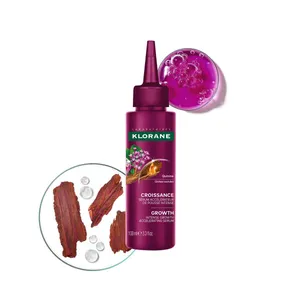 KloraneKlorane Adenosine Hair Growth Serum6.8
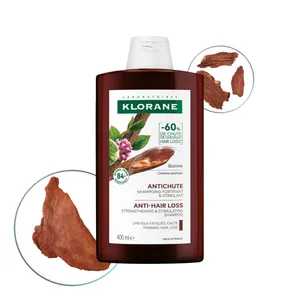 KloraneKlorane Quinine and Organic Edelweiss Shampoo7.1
 DucrayDucray Anti-Hair-Loss and Growth Shampoo6.9
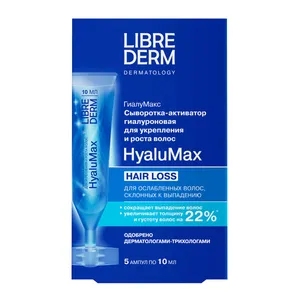 LibredermLIBREDERM HyaluMax Hair Activator Serum7.6
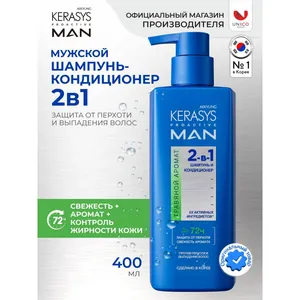 KerasysKerasys Proactive Man 2-in-1 men’s anti-dandruff and anti-shedding shampoo6.6
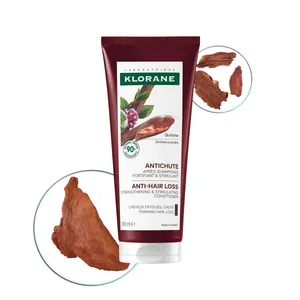 KloraneKlorane Quinine Anti-Hair-Loss Conditioner5.3
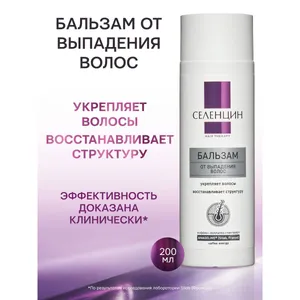 СеленцинSelencin Hair Therapy anti-shedding rinse-off conditioner3.8
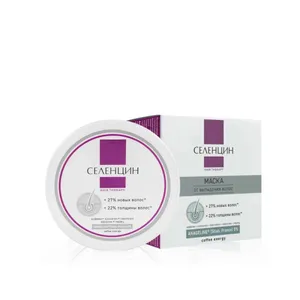 СеленцинSelencin Hair Therapy Anti-Hair-Loss Mask3.6