Formula · 3.6
Brand · 5.0
Селенцин · hydrolysed lupine protein + caffeine · Russia
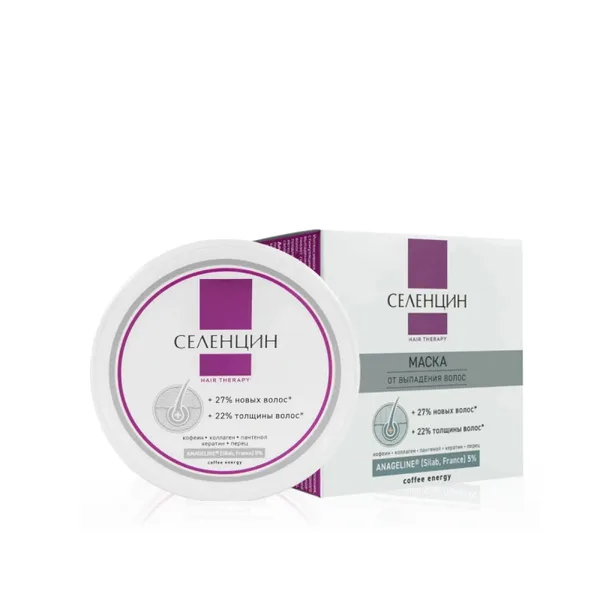
Selencin Hair Therapy Anti-Hair-Loss Mask
LabReadAI label score
How the score is calculated- Actives and evidence0.3No proven effect when applied: burdock root extract, nettle extract, capsicum extract
- Completeness for the purpose0.5For “hair shedding (topical)” — 53 %; niacinamide (vitamin b3); could be added without conflict: niacinamide (vitamin b3); a narrow formula for one purpose
- Tolerance0.2Rinse-off product; debatable groups: isothiazolinone preservatives (MIT/MCI) (skin test positive in 6 of 100 tested), isothiazolinone preservatives (MIT/MCI), fragrance and its allergens (skin test positive in 13 of 100 tested)
- adults
- colour-treated hair
- children
- babies
- pregnancyno studies in pregnancy — discuss with a doctor
- peanut and legume allergylupine is a legume with cross-reactivity to peanut
Ingredients — 19 components, 7 of them active
The rest is the formula base: it holds texture, shelf life and application, and is not meant to act.
What works: 7 of 19 ingredients: hydrolysed lupine protein, hydrolysed keratin, caffeine and 4 more. Topical products against shedding work weakly: only minoxidil is proven (a medicine we do not score); among cosmetics rosemary oil has moderate data, caffeine weak. The cause of shedding is found by tests: iron, thyroid, vitamin D.
What lowers the score: actives and evidence: no proven effect when applied: burdock root extract, nettle extract, capsicum extract; completeness for the purpose: for “hair shedding” — 53 %; tolerance: rinse-off product
Questions: fragrance and its allergens: fragrance — the fragrance and its aromatic components; the EU requires 26 of them to be listed separately — matters to people allergic to fragrance, does not affect how the product works; isothiazolinone preservatives (MIT/MCI): methylchloroisothiazolinone — preservatives; banned in EU leave-on products and limited in rinse-off (0.0015%) — a frequent cause of contact allergy
- Aqua base: coating, fillers · water — the solvent and base; listed first because there is more of it than anything else; in supplements — part of the capsule shell
- Cetearyl Alcohol base: coating, fillers · a fatty-alcohol blend (C16–C18), an emulsifier and thickener, does not dry the skin; paired with ceteareth-20 — 4 of 5; rarely clogs pores in leave-on face products
- Hydrolyzed Lupine Protein (Anageline works · the active ingredient — what the product is for; form: lupine protein hydrolysate
- Glycerin base: coating, fillers · a humectant: coats the tablet, holds moisture in creams and shampoos; does not clog pores
- Behentrimonium Chloride base: coating, fillers · soften, condition and carry the actives; the backbone of the texture
- Hydrolyzed Keratin (гидролизованный кератин works · the active ingredient — what the product is for; form: keratin hydrolysate
- Caffeine (кофеин works · the active ingredient — what the product is for; form: caffeine
- Arctium Majus Root Extract (экстракт репейника works · the active ingredient — what the product is for; form: burdock root extract
- Bis (C13-15 alkoxy)PG-Amodimethicone base: coating, fillers · form a smooth film and shine; inert and not absorbed — a preference question, not a safety one
- Panthenol (D-пантенол works · the active ingredient — what the product is for; form: panthenol
- Urtica (Nettle) Dioica Leaf Extract (экстракт крапивы works · the active ingredient — what the product is for; form: nettle extract
- Polyquaternium-10 base: coating, fillers · soften, condition and carry the actives; the backbone of the texture
- Allantoin base: coating, fillers · amino acids, lipids and sugars akin to the skin’s own components — support for its barrier
- Tocopheryl Acetate base: coating, fillers · vitamin E at hundredths of a percent: keeps the oils of the formula (a cream or a capsule fill) from going rancid; at that share it protects the product, it is not vitamin E as an active
- Collagen Amino Acids (аминокислоты коллагена base: coating, fillers · proteins cut into short pieces: they settle on hair and skin as a film and make hair smooth and denser to the touch.
- Capsicum Annuum Extract (экстракт перца works · the active ingredient — what the product is for; form: capsicum fruit extract
- Citric Acid base: coating, fillers · acidity regulator
- Disodium EDTA base: coating, fillers · bind hard-water metals so the formula stays stable and the foam works
- Parfum questions · the fragrance and its aromatic components; the EU requires 26 of them to be listed separately — matters to people allergic to fragrance, does not affect how the product works
- Methylchloroisothiazolinone (and) Methylisothiazolinone questions · preservatives; banned in EU leave-on products and limited in rinse-off (0.0015%) — a frequent cause of contact allergy
Selencin Hair Therapy Anti-Hair-Loss Mask is a product whose active ingredient is hydrolysed lupine protein + hydrolysed keratin + caffeine + burdock root extract. The concentration is not declared, but the active sits above the 1 % line in the list — a working share is likely. There is little evidence of effect: hydrolysed lupine protein, hydrolysed keratin, caffeine. There is no evidence of effect: burdock root extract, nettle extract, capsicum extract. The effect is moderately supported: panthenol (pro-vitamin b5). The formula has 19 ingredients, 7 of which do the work; the rest is the formula base. Worth noting: Parfum (the fragrance and its aromatic components; the EU requires 26 of them to be listed separately — matters to people allergic to fragrance, does not affect how the product works); Methylchloroisothiazolinone (and) Methylisothiazolinone (preservatives; banned in EU leave-on products and limited in rinse-off (0.0015%) — a frequent cause of contact allergy). Topical products against shedding work weakly: only minoxidil is proven (a medicine we do not score); among cosmetics rosemary oil has moderate data, caffeine weak. The cause of shedding is found by tests: iron, thyroid, vitamin D. By the list, no alcohol (alcohol denat), sulfates (SLS/SLES), formaldehyde releasers, parabens, mineral oils and petrolatum, soap, gelatin in the coating, toning dyes, tar. Suitable for: adults, colour-treated hair, children, babies. pregnancy, peanut and legume allergy — ask a doctor. sensitive scalp, Asteraceae allergy, atopic skin, prone to contact allergy, fragrance allergy — not without a doctor. Use: in a conditioner or lotion on the scalp after washing. When to expect an effect: judge shedding no earlier than after 2–3 months. Label score — 3.6 out of 10 (no proven effect when applied: burdock root extract, nettle extract, capsicum extract; for “hair shedding (topical)” — 53 %; niacinamide (vitamin b3); could be added without conflict: niacinamide (vitamin b3); a narrow formula for one purpose; rinse-off product; debatable groups: isothiazolinone preservatives (mit/mci) (skin test positive in 6 of 100 tested), isothiazolinone preservatives (mit/mci), fragrance and its allergens (skin test positive in 13 of 100 tested)). Per the pack: for external use, avoid contact with the eyes; do not use if you are intolerant to any component. A restatement of the label, not an assessment.
Who it does not suit
- sensitive scalppepper irritates the skin on purpose: on a sensitive scalp this causes burning and redness
- Asteraceae allergyburdock belongs to the Asteraceae family, like ragweed and mugwort: a cross-reaction is possible if you are allergic to those
- atopic skinin atopic dermatitis irritant products increase itching and scratching
- prone to contact allergyone of the most frequent cosmetic allergens
- fragrance allergyrisk of reaction
When to stop: strong burning, persistent redness, swelling — rinse off and stop
Per the maker's leaflet: Per the pack: for external use, avoid contact with the eyes; do not use if you are intolerant to any component. A restatement of the label, not an assessment.
Is this product right for your hair?
The score describes the formula, not your hair: a sulfate shampoo suits an oily scalp and fails a dry, sensitive one. Tell us about your hair, scalp and the problem — shedding, dandruff, oiliness, dryness — and we will build a routine and say whether this product suits you.
Similar products
Same nutrient and the same purpose — closest by form and dose. Each has its own score by the same method, so you can see whether there is an option nearby that is more honest or simpler in composition.
 СеленцинSelencin Hair Therapy anti-shedding rinse-off conditioner3.8
 Estel ProfessionalEstel Curex Classic daily shampoo “Moisture and nutrition”4.8
 Рецепты бабушки АгафьиAgafia Staroaltayskaya Hair Mask-Balm4.1
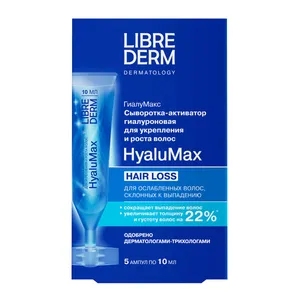 LibredermLIBREDERM HyaluMax Hair Activator Serum7.6
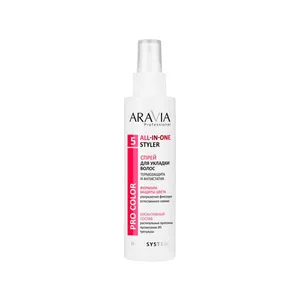 Aravia ProfessionalARAVIA Professional All In One Styler7.5
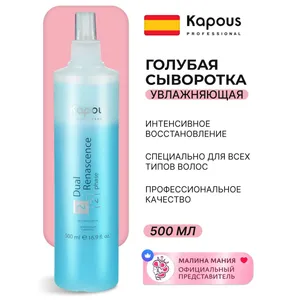 Kapous ProfessionalKapous Dual Renascence 2 Phase moisturising serum for hair repair7.2
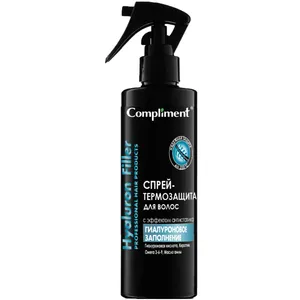 ComplimentCompliment Hyaluron Filler heat-protection hair spray with anti-static effect6.1
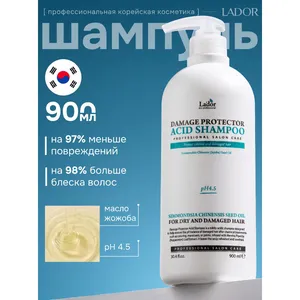 La’dorLa’dor Damage Protector Acid shampoo with jojoba oil for damaged hair6.1