Formula · 6.1
Brand · 6.1
Compliment · hydrolysed keratin + sodium hyaluronate · Russia
Compliment Hyaluron Filler heat-protection hair spray with anti-static effect
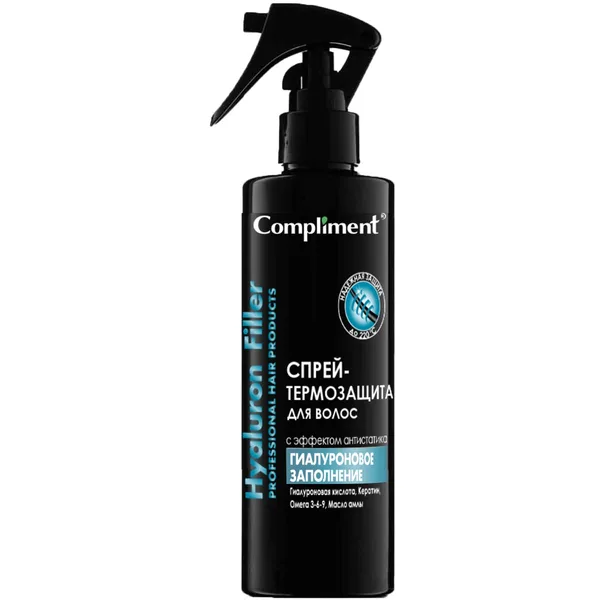
LabReadAI label score
How the score is calculated- Actives and evidence0.6Actives with strong evidence: 0 of 2
- Completeness for the purpose0.5For “dry and damaged hair” — 53 %; without coconut oil — the only oil proven to reduce protein loss; could be added without conflict: coconut oil; a broad formula across 5 purposes
- Tolerance0.9Debatable ingredient groups: fragrance and its allergens (skin test positive in 13 of 100 tested)
- adults
- children
- pregnancyallowed per the leaflet
- colour-treated hair
- dry skin
- oily skin
- sensitive skinirritation possible
- atopic skinfragrance is a common trigger
Ingredients — 14 components, 2 of them active
The rest is the formula base: it holds texture, shelf life and application, and is not meant to act.
What works: 2 of 14 ingredients: hydrolysed keratin, hyaluronic acid. Damaged hair is helped on two fronts: oils that penetrate the shaft (only coconut oil is proven) and a film on the outside — silicones, panthenol, hydrolysed proteins. One from each front is enough; “collagen” and “biotin” in a shampoo work only on the label.
Strengths: tolerance
What lowers the score: actives and evidence: actives with strong evidence: 0 of 2; completeness for the purpose: for “dry and damaged hair” — 53 %
Questions: fragrance and its allergens: fragrance — the fragrance and its aromatic components; the EU requires 26 of them to be listed separately — matters to people allergic to fragrance, does not affect how the product works
- Aqua base: coating, fillers · water — the solvent and base; listed first because there is more of it than anything else; in supplements — part of the capsule shell
- Glycerin base: coating, fillers · a humectant: coats the tablet, holds moisture in creams and shampoos; does not clog pores
- Propylene Glycol base: coating, fillers · humectants and solvents — hold water and help actives dissolve
- Trehalose base: coating, fillers · a sugar humectant: it holds water in the skin and protects cell membranes when it dries out.
- Sodium Polystyrene Sulfonate label wording · an allergen (sodium (salt)) — matters when limiting salt, for example with blood pressure; the label says it is absent
- Hydrolyzed Keratin works · the active ingredient — what the product is for; form: keratin hydrolysate
- PEG-40 Hydrogenated Castor Oil base: coating, fillers · coating glazing agent
- Amla Oil base: coating, fillers · the plant base: emollient oils, waxes and care extracts
- Sodium Hyaluronate works · the active ingredient — what the product is for; form: sodium hyaluronate
- Hydrolyzed Hyaluronic Acid works · the active ingredient — what the product is for; form: sodium hyaluronate
- Linseed Oil/Palm Oil Aminopropanediol Esters base: coating, fillers · softens the skin and helps it hold water — the most common role in creams
- Safflower Oil/Palm Oil Aminopropanediol Esters base: coating, fillers · a light oil rich in linoleic acid; among the least comedogenic — does not clog pores
- Olive Oil Aminopropanediol Esters base: coating, fillers · a nourishing emollient oil; rarely clogs pores in leave-on face products
- Phenoxyethanol base: coating, fillers · the most widespread cosmetic preservative: it keeps the product sterile. Permitted in the EU up to 1 %, recognised as safe at that level.
- Citric Acid base: coating, fillers · acidity regulator
- Parfum questions · the fragrance and its aromatic components; the EU requires 26 of them to be listed separately — matters to people allergic to fragrance, does not affect how the product works
Compliment Hyaluron Filler heat-protection hair spray with anti-static effect is a product whose active ingredient is hydrolysed keratin + hyaluronic acid. The concentration is not declared, but the active sits above the 1 % line in the list — a working share is likely. There is little evidence of effect: hydrolysed keratin. The effect is moderately supported: hyaluronic acid. The formula has 14 ingredients, 2 of which do the work; the rest is the formula base. Worth noting: Parfum (the fragrance and its aromatic components; the EU requires 26 of them to be listed separately — matters to people allergic to fragrance, does not affect how the product works). Damaged hair is helped on two fronts: oils that penetrate the shaft (only coconut oil is proven) and a film on the outside — silicones, panthenol, hydrolysed proteins. One from each front is enough; “collagen” and “biotin” in a shampoo work only on the label. By the list, no alcohol (alcohol denat), sulfates (SLS/SLES), formaldehyde releasers, isothiazolinones (MIT/MCI), parabens, mineral oils and petrolatum, soap, silicones, gelatin in the coating, toning dyes, tar. Suitable for: adults, children, pregnancy, colour-treated hair, dry skin, oily skin. sensitive skin, atopic skin — ask a doctor. fragrance allergy — not without a doctor. Use: in a mask or conditioner after washing, along the length. When to expect an effect: smoothness — right after use, until the next wash. Label score — 6.1 out of 10 (actives with strong evidence: 0 of 2; for “dry and damaged hair” — 53 %; without coconut oil — the only oil proven to reduce protein loss; could be added without conflict: coconut oil; a broad formula across 5 purposes; debatable ingredient groups: fragrance and its allergens (skin test positive in 13 of 100 tested)). Per the pack: for external use only; stop if irritation appears. A restatement of the label, not an assessment.
Who it does not suit
- fragrance allergyrisk of reaction
When to stop: tightness in dry air — apply under a cream
Per the maker's leaflet: Per the pack: for external use only; stop if irritation appears. A restatement of the label, not an assessment.
Is this product right for your hair?
The score describes the formula, not your hair: a sulfate shampoo suits an oily scalp and fails a dry, sensitive one. Tell us about your hair, scalp and the problem — shedding, dandruff, oiliness, dryness — and we will build a routine and say whether this product suits you.
Similar products
Same nutrient and the same purpose — closest by form and dose. Each has its own score by the same method, so you can see whether there is an option nearby that is more honest or simpler in composition.
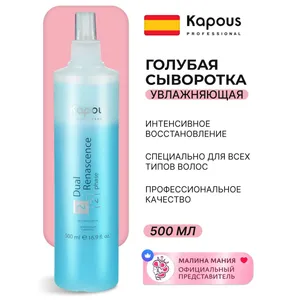 Kapous ProfessionalKapous Dual Renascence 2 Phase moisturising serum for hair repair7.2
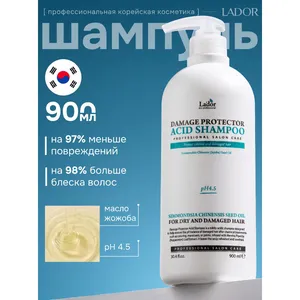 La’dorLa’dor Damage Protector Acid shampoo with jojoba oil for damaged hair6.1
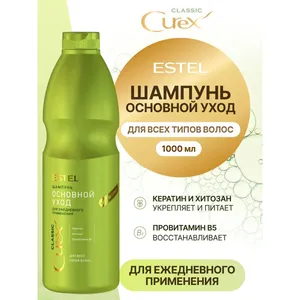 Estel ProfessionalEstel Curex Classic daily shampoo “Moisture and nutrition”4.8
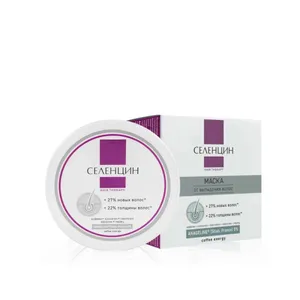 СеленцинSelencin Hair Therapy Anti-Hair-Loss Mask3.6
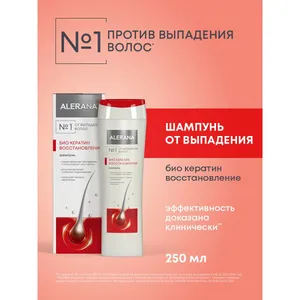 AleranaAlerana sulfate-free anti-shedding shampoo “Bio keratin”2.8
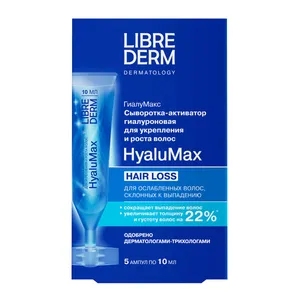 LibredermLIBREDERM HyaluMax Hair Activator Serum7.6
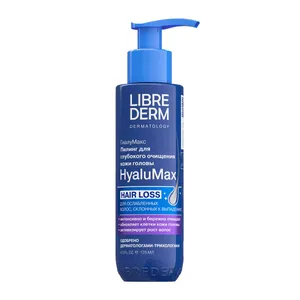 LibredermLIBREDERM HyaluMax Scalp Peeling7.1
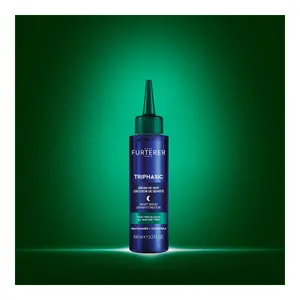 René FurtererRené Furterer Triphasic Night Density Serum6.8