Formula · 7.1
Brand · 6.8
L’Oréal Paris · marula and camellia oils · France
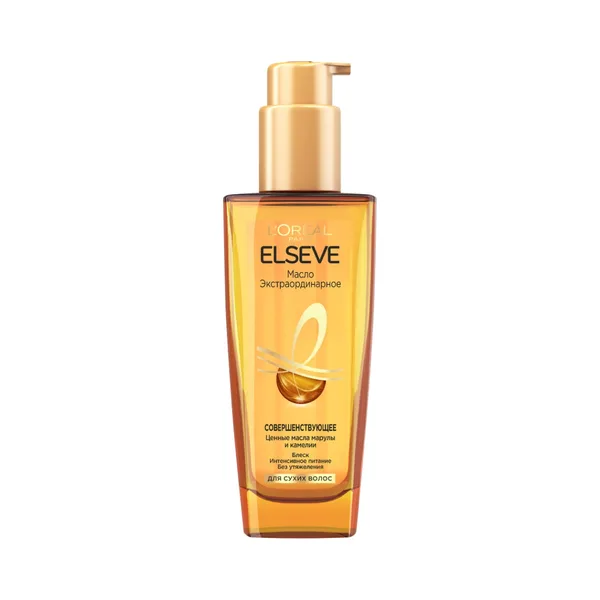
L’Oréal Paris Elseve Extraordinary Oil
LabReadAI label score
How the score is calculated- Actives and evidence0.5Actives with strong evidence: 0 of 3
- Completeness for the purpose1.0For “dry and damaged hair” — 100 %; a narrow formula for one purpose
- Tolerance0.7Debatable ingredient groups: fragrance and its allergens (skin test positive in 13 of 100 tested); comedogenic ingredients at a notable share (may clog pores): Coconut oil
- adults
- pregnancyallowed per the leaflet
- dry skin
- colour-treated hair
- sensitive skinirritation possible
- atopic skinfragrance is a common trigger
Ingredients — 16 components, 3 of them active
The rest is the formula base: it holds texture, shelf life and application, and is not meant to act.
What works: 3 of 16 ingredients: marula oil, camellia oil, coconut oil. Damaged hair is helped on two fronts: oils that penetrate the shaft (only coconut oil is proven) and a film on the outside — silicones, panthenol, hydrolysed proteins. One from each front is enough; “collagen” and “biotin” in a shampoo work only on the label.
Strengths: completeness for the purpose
What lowers the score: actives and evidence: actives with strong evidence: 0 of 3; tolerance: debatable ingredient groups: fragrance and its allergens
Questions: fragrance and its allergens: anise alcohol, limonene, linalool, coumarin, hexyl cinnamal, fragrance — the fragrance and its aromatic components; the EU requires 26 of them to be listed separately — matters to people allergic to fragrance, does not affect how the product works
- Isododecane base: coating, fillers · soften, condition and carry the actives; the backbone of the texture
- Dimethicone base: coating, fillers · form a smooth film and shine; inert and not absorbed — a preference question, not a safety one
- Dimethiconol base: coating, fillers · form a smooth film and shine; inert and not absorbed — a preference question, not a safety one
- Cocos Nucifera Oil / Coconut Oil works · the active ingredient — what the product is for; form: oil
- Tocopherol base: coating, fillers · vitamin E at hundredths of a percent: keeps the oils of the formula (a cream or a capsule fill) from going rancid; at that share it protects the product, it is not vitamin E as an active
- Anise Alcohol questions · the fragrance and its aromatic components; the EU requires 26 of them to be listed separately — matters to people allergic to fragrance, does not affect how the product works
- Sclerocarya Birrea Seed Oil works · the active ingredient — what the product is for; form: seed oil
- Camellia Japonica Seed Oil works · the active ingredient — what the product is for; form: seed oil
- Limonene questions · the fragrance and its aromatic components; the EU requires 26 of them to be listed separately — matters to people allergic to fragrance, does not affect how the product works
- Linalool questions · the fragrance and its aromatic components; the EU requires 26 of them to be listed separately — matters to people allergic to fragrance, does not affect how the product works
- Caprylic/Capric Glycerides base: coating, fillers · mono- and diglycerides of caprylic and capric acids (a coconut-oil fraction): a light emollient and co-emulsifier, a relative of caprylic/capric triglyceride
- Gardenia Taitensis Flower base: coating, fillers · plant and algae extracts and floral waters: flavouring and marketing components — at these shares there is no proven effect on the skin; rare reactions in people allergic to that particular plant
- Rosa Canina Flower Extract base: coating, fillers · plant and algae extracts and floral waters: flavouring and marketing components — at these shares there is no proven effect on the skin; rare reactions in people allergic to that particular plant
- Coumarin questions · the fragrance and its aromatic components; the EU requires 26 of them to be listed separately — matters to people allergic to fragrance, does not affect how the product works
- Hexyl Cinnamal questions · the fragrance and its aromatic components; the EU requires 26 of them to be listed separately — matters to people allergic to fragrance, does not affect how the product works
- Parfum / Fragrance questions · the fragrance and its aromatic components; the EU requires 26 of them to be listed separately — matters to people allergic to fragrance, does not affect how the product works
L’Oréal Paris Elseve Extraordinary Oil is a product whose active ingredient is marula oil + camellia oil + coconut oil. The concentration is not declared and the active sits after the 1 % line — more for the label than for the effect. There is little evidence of effect: marula oil, camellia oil. The effect is moderately supported: coconut oil. The formula has 16 ingredients, 3 of which do the work; the rest is the formula base. Worth noting: Anise Alcohol, Limonene, Linalool, Coumarin, Hexyl Cinnamal, Parfum / Fragrance (the fragrance and its aromatic components; the EU requires 26 of them to be listed separately — matters to people allergic to fragrance, does not affect how the product works). Damaged hair is helped on two fronts: oils that penetrate the shaft (only coconut oil is proven) and a film on the outside — silicones, panthenol, hydrolysed proteins. One from each front is enough; “collagen” and “biotin” in a shampoo work only on the label. By the list, no alcohol (alcohol denat), sulfates (SLS/SLES), formaldehyde releasers, isothiazolinones (MIT/MCI), parabens, mineral oils and petrolatum, soap, gelatin in the coating, toning dyes, tar. Suitable for: adults, pregnancy, dry skin, colour-treated hair. sensitive skin, atopic skin — ask a doctor. acne-prone face, fragrance allergy — not without a doctor. Use: on dry or damp ends, leave-in. When to expect an effect: shine, softness — immediately; no repair to expect. Label score — 7.1 out of 10 (actives with strong evidence: 0 of 3; debatable ingredient groups: fragrance and its allergens (skin test positive in 13 of 100 tested); comedogenic ingredients at a notable share (may clog pores): coconut oil).
Who it does not suit
- acne-prone facecomedogenic
- fragrance allergyrisk of reaction
When to stop: breakouts on the face or scalp — stop
Is this product right for your hair?
The score describes the formula, not your hair: a sulfate shampoo suits an oily scalp and fails a dry, sensitive one. Tell us about your hair, scalp and the problem — shedding, dandruff, oiliness, dryness — and we will build a routine and say whether this product suits you.
Similar products
Same nutrient and the same purpose — closest by form and dose. Each has its own score by the same method, so you can see whether there is an option nearby that is more honest or simpler in composition.
 GarnierGarnier Fructis “SOS Repair” repairing mask for damaged hair6.8
 Wella ProfessionalsWella Professionals Oil Reflections Luminous Instant conditioner for intense shine6.7
 GarnierGarnier Fructis “SOS Repair” fortifying shampoo for damaged hair6.4
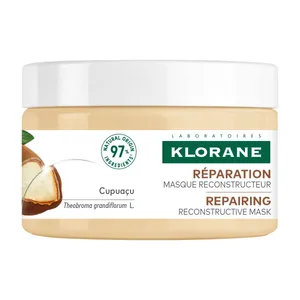 KloraneKlorane Rebuilding Hair Mask8.6
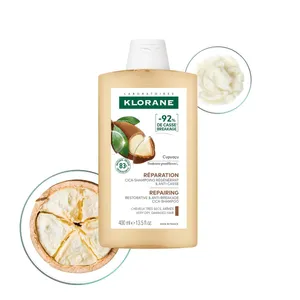 KloraneKlorane Cica Repairing Shampoo8.5
 Aravia ProfessionalARAVIA Professional Enzyme Peel Scrub8.3
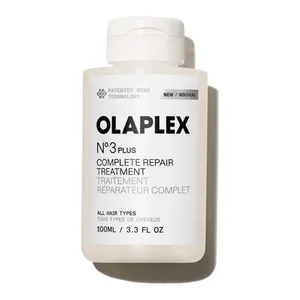 OlaplexOlaplex No.3 Plus Complete Repair treatment7.8
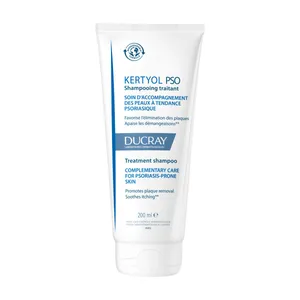 DucrayDucray Kertyol PSO7.8