Formula · 5.8
Brand · 5.8
Pantene · panthenol · France
Pantene Pro-V “Intensive Repair” shampoo for damaged hair
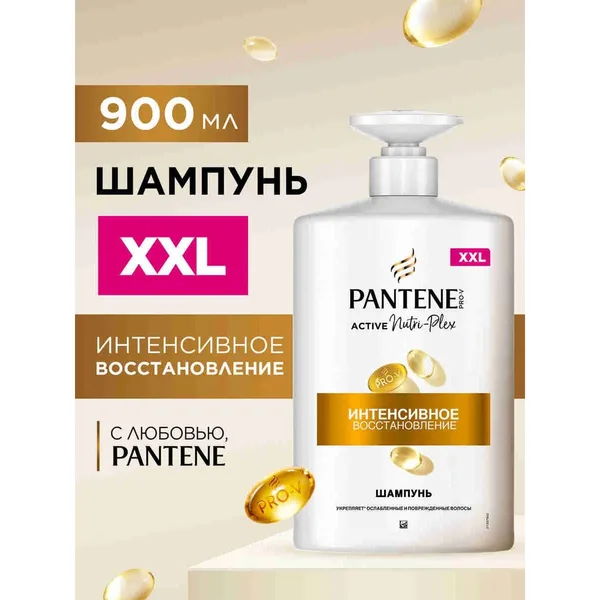
LabReadAI label score
How the score is calculated- Actives and evidence0.8Effect moderately supported
- Completeness for the purpose0.4For “dry and damaged hair” — 36 %; without coconut oil — the only oil proven to reduce protein loss; could be added without conflict: coconut oil; below threshold: panthenol (pro-vitamin b5); a broad formula across 6 purposes
- Cleansing base0.5Harsh surfactants: sodium laureth sulfate (SLES); mild surfactants: cocamidopropyl betaine, mild surfactants and emulsifiers; irritation potential of the base — 49 % of SLS
- Tolerance0.9Rinse-off product; debatable groups: fragrance and its allergens (skin test positive in 13 of 100 tested)
- adults
- pregnancyallowed per the leaflet
- children
- babies
- sensitive skinrare contact allergy to impurities
- atopic skinfragrance is a common trigger
- dry scalpmay dry
Ingredients — 25 components, 1 of them active
The rest is the formula base: it holds texture, shelf life and application, and is not meant to act.
What works: 1 of 25 ingredients: panthenol. Damaged hair is helped on two fronts: oils that penetrate the shaft (only coconut oil is proven) and a film on the outside — silicones, panthenol, hydrolysed proteins. One from each front is enough; “collagen” and “biotin” in a shampoo work only on the label.
Strengths: tolerance
What lowers the score: actives and evidence: effect moderately supported; completeness for the purpose: for “dry and damaged hair” — 36 %; cleansing base: harsh surfactants: sodium laureth sulfate
Questions: sodium laureth sulfate (SLES): sodium laureth sulfate — the main cleansing surfactant; can dry a sensitive scalp — the reason people look for «sulfate-free»; unrestricted in rinse-off products; fragrance and its allergens: fragrance, dimethyl phenethyl acetate, hexyl cinnamal — the fragrance and its aromatic components; the EU requires 26 of them to be listed separately — matters to people allergic to fragrance, does not affect how the product works
- Aqua base: coating, fillers · water — the solvent and base; listed first because there is more of it than anything else; in supplements — part of the capsule shell
- Sodium Laureth Sulfate questions · the main cleansing surfactant; can dry a sensitive scalp — the reason people look for «sulfate-free»; unrestricted in rinse-off products
- Sodium Citrate base: coating, fillers · tune the acidity and texture; salt is a common shampoo thickener
- Cocamidopropyl Betaine base: coating, fillers · a mild amphoteric surfactant: it builds dense foam and softens the harsh sulfates next to it. It occasionally causes contact allergy, and the culprit is a manufacturing impurity rather than the ingredient itself.
- Sodium Xylenesulfonate base: coating, fillers · cleanse and bind water with oils; milder than the sulfate ones
- Sodium Chloride base: coating, fillers · tune the acidity and texture; salt is a common shampoo thickener
- Stearyl Alcohol base: coating, fillers · a fatty alcohol (C18), an emulsifier and thickener, does not dry the skin; rarely clogs pores in leave-on face products
- Cocamide MEA base: coating, fillers · a thickener and foam booster from coconut oil: it barely cleanses on its own, it makes the foam denser.
- Glycol Distearate base: coating, fillers · humectants and solvents — hold water and help actives dissolve
- Sodium Benzoate base: coating, fillers · a preservative both in cosmetics and in supplements: a salt of benzoic acid that works in an acidic medium. Permitted as food additive E211 and in cosmetics up to 0.5 %.
- Parfum questions · the fragrance and its aromatic components; the EU requires 26 of them to be listed separately — matters to people allergic to fragrance, does not affect how the product works
- Glycerin base: coating, fillers · a humectant: coats the tablet, holds moisture in creams and shampoos; does not clog pores
- Citric Acid base: coating, fillers · acidity regulator
- Cetyl Alcohol base: coating, fillers · a fatty alcohol, emulsifier and thickener; does not dry the skin — not “alcohol” in the everyday sense; rarely clogs pores
- Sodium Salicylate base: coating, fillers · protect the product from bacteria and mould; used within the EU-permitted concentrations
- Guar Hydroxypropyltrimonium Chloride base: coating, fillers · hold the texture: gels, creams and foam do not separate
- Trihydroxystearin base: coating, fillers · soften, condition and carry the actives; the backbone of the texture
- Sodium Hydroxide base: coating, fillers · tune the acidity and texture; salt is a common shampoo thickener
- Panthenol works · the active ingredient — what the product is for; form: panthenol
- Polyquaternium-6 base: coating, fillers · soften, condition and carry the actives; the backbone of the texture
- Hexamethylindanopyran base: coating, fillers · gives the product its scent
- Tetrasodium EDTA base: coating, fillers · bind hard-water metals so the formula stays stable and the foam works
- Dimethyl Phenethyl Acetate questions · the fragrance and its aromatic components; the EU requires 26 of them to be listed separately — matters to people allergic to fragrance, does not affect how the product works
- Histidine base: coating, fillers · amino acids, lipids and sugars akin to the skin’s own components — support for its barrier
- Hexyl Cinnamal questions · the fragrance and its aromatic components; the EU requires 26 of them to be listed separately — matters to people allergic to fragrance, does not affect how the product works
- Tetramethyl Acetyloctahydronaphthalenes base: coating, fillers · softens the skin and helps it hold water — the most common role in creams
Pantene Pro-V “Intensive Repair” shampoo for damaged hair is a product whose active ingredient is panthenol (pro-vitamin b5). The concentration is not declared and the active sits after the 1 % line — more for the label than for the effect. The effect is moderately supported: 1–5 %: soothes, speeds up skin recovery and holds moisture. The formula has 25 ingredients, 1 of which does the work; the rest is the formula base. Worth noting: Sodium Laureth Sulfate (the main cleansing surfactant; can dry a sensitive scalp — the reason people look for «sulfate-free»; unrestricted in rinse-off products); Parfum, Dimethyl Phenethyl Acetate, Hexyl Cinnamal (the fragrance and its aromatic components; the EU requires 26 of them to be listed separately — matters to people allergic to fragrance, does not affect how the product works). Damaged hair is helped on two fronts: oils that penetrate the shaft (only coconut oil is proven) and a film on the outside — silicones, panthenol, hydrolysed proteins. One from each front is enough; “collagen” and “biotin” in a shampoo work only on the label. By the list, no alcohol (alcohol denat), formaldehyde releasers, isothiazolinones (MIT/MCI), parabens, mineral oils and petrolatum, soap, silicones, gelatin in the coating, toning dyes, tar. Suitable for: adults, pregnancy, children, babies. sensitive skin, atopic skin, dry scalp — ask a doctor. fragrance allergy — not without a doctor. Use: any time, can be applied often. When to expect an effect: soothing — days; barrier — 2–4 weeks. Label score — 5.8 out of 10 (effect moderately supported; for “dry and damaged hair” — 36 %; without coconut oil — the only oil proven to reduce protein loss; could be added without conflict: coconut oil; below threshold: panthenol (pro-vitamin b5); a broad formula across 6 purposes; harsh surfactants: sodium laureth sulfate (sles); mild surfactants: cocamidopropyl betaine, mild surfactants and emulsifiers; irritation potential of the base — 49 % of sls; rinse-off product; debatable groups: fragrance and its allergens (skin test positive in 13 of 100 tested)). Per the pack: avoid contact with eyes; rinse thoroughly with water on contact. A restatement of the label, not an assessment.
Who it does not suit
- fragrance allergyrisk of reaction
Per the maker's leaflet: Per the pack: avoid contact with eyes; rinse thoroughly with water on contact. A restatement of the label, not an assessment.
Is this product right for your hair?
The score describes the formula, not your hair: a sulfate shampoo suits an oily scalp and fails a dry, sensitive one. Tell us about your hair, scalp and the problem — shedding, dandruff, oiliness, dryness — and we will build a routine and say whether this product suits you.
Similar products
Same nutrient and the same purpose — closest by form and dose. Each has its own score by the same method, so you can see whether there is an option nearby that is more honest or simpler in composition.
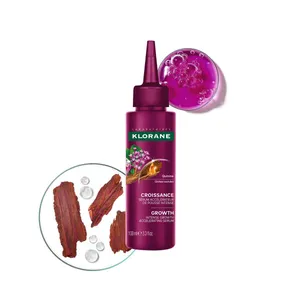 KloraneKlorane Adenosine Hair Growth Serum6.8
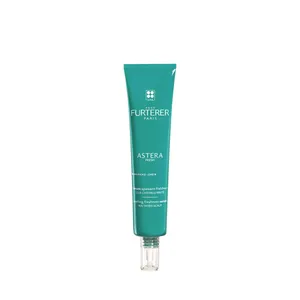 René FurtererRené Furterer Astera Fresh Soothing Scalp Serum6.2
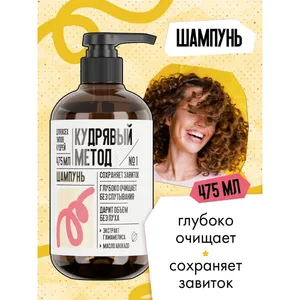 Кудрявый методKudryavyi Metod shampoo for curly and wavy hair6.1
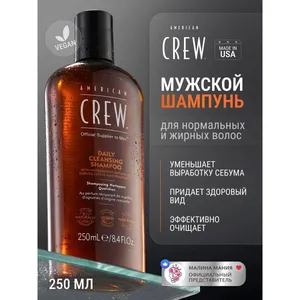 American CrewAmerican Crew Daily Cleansing men’s daily shampoo5.8
 DucrayDucray Gentle Balancing Shampoo5.5
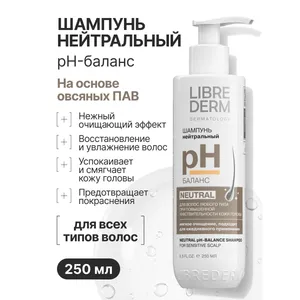 LibredermLibrederm pH-Balance neutral shampoo for sensitive scalp5.3
 Wella ProfessionalsWella Professionals Oil Reflections Luminous Reveal shampoo for hair shine5.2
 René FurtererRené Furterer Style Heat Protection Spray4.3