Formula · 6.2
Brand · 5.6
René Furterer · panthenol + echinacea extract · France
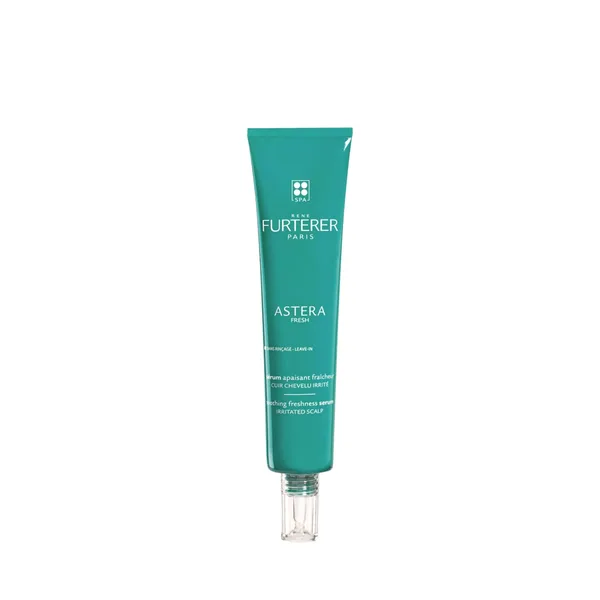
René Furterer Astera Fresh Soothing Scalp Serum
LabReadAI label score
How the score is calculated- Actives and evidence0.6No proven effect when applied: echinacea extract
- Completeness for the purpose0.4For “sensitive scalp” — 36 %; below threshold: panthenol (pro-vitamin b5); a narrow formula for one purpose
- Cleansing base0.8Mild surfactants: mild surfactants and emulsifiers; irritation potential of the base — 15 % of SLS
- Tolerance0.5Debatable ingredient groups: denatured alcohol, BHT and BHA (antioxidants), menthol, fragrance and its allergens (skin test positive in 13 of 100 tested); comedogenic ingredients at a notable share (may clog pores): ethylhexyl palmitate
- adults
- children
- colour-treated hair
- oily skin
- pregnancyno studies in pregnancy — discuss with a doctor
- sensitive skinat 10 % flushing is possible
- babiesnot applied to a baby face or near the nose
- atopic skinfragrance is a common trigger
- acne-pronemay clog pores in leave-on face products
- rosaceaask a dermatologist
- dry skinmay dry
Ingredients — 33 components, 3 of them active
The rest is the formula base: it holds texture, shelf life and application, and is not meant to act.
What works: 3 of 33 ingredients: panthenol, echinacea extract, niacinamide. A sensitive scalp needs two things: a mild cleansing base without harsh sulfates and fragrance, and a soothing ingredient — panthenol, allantoin or bisabolol. Itching and tightness ease within 1–2 weeks; if not, the cause is the skin (dermatitis, psoriasis), not the shampoo, and a doctor is needed.
Strengths: cleansing base
What lowers the score: actives and evidence: no proven effect when applied: echinacea extract; completeness for the purpose: for “sensitive scalp” — 36 %; tolerance: debatable ingredient groups: denatured alcohol, bht and bha, menthol, fragrance and its allergens
Questions: denatured alcohol — evaporates fast and degreases; frequent contact can dry the skin — a tolerance question, not a regulatory one; does not clog pores; BHT and BHA (antioxidants): bht — antioxidants that keep oils from going rancid: hundredths of a percent in cosmetics, and E321 and E320 in supplements. A frequent buyer question, with no proven harm at these levels.; fragrance and its allergens: limonene, terpineol; menthol
- WATER (AQUA base: coating, fillers · water — the solvent and base; listed first because there is more of it than anything else; in supplements — part of the capsule shell
- ALCOHOL DENAT questions · evaporates fast and degreases; frequent contact can dry the skin — a tolerance question, not a regulatory one; does not clog pores
- GLYCERIN base: coating, fillers · a humectant: coats the tablet, holds moisture in creams and shampoos; does not clog pores
- HYDROXYETHYL ACRYLATE/SODIUM ACRYLOYLDIMETHYL TAURATE COPOLYMER base: coating, fillers · hold the texture: gels, creams and foam do not separate
- ETHYLHEXYL PALMITATE base: coating, fillers · a light emollient, gives slip; may clog pores in leave-on face products; a finished product with it is not always comedogenic
- GLYCINE base: coating, fillers · amino acids, lipids and sugars akin to the skin’s own components — support for its barrier
- BETA-CARYOPHYLLENE base: coating, fillers · softens the skin and helps it hold water — the most common role in creams
- BHT questions · antioxidants that keep oils from going rancid: hundredths of a percent in cosmetics, and E321 and E320 in supplements. A frequent buyer question, with no proven harm at these levels.
- BLUE 1 (CI 42090 base: coating, fillers · give the product its colour; do not affect how it works
- CARVONE base: coating, fillers · gives taste — in toothpastes and mouth products
- CITRIC ACID base: coating, fillers · acidity regulator
- ECHINACEA ANGUSTIFOLIA ROOT EXTRACT works · the active ingredient — what the product is for; form: echinacea root extract
- EUCALYPTUS GLOBULUS LEAF/TWIG OIL (EUCALYPTUS GLOBULUS OIL base: coating, fillers · gives the product its scent
- GLYCINE SOJA (SOYBEAN) OIL (GLYCINE SOJA OIL base: coating, fillers · the plant base: emollient oils, waxes and care extracts
- GLYCINE SOJA (SOYBEAN) STEROLS (GLYCINE SOJA STEROLS base: coating, fillers · amino acids, lipids and sugars akin to the skin’s own components — support for its barrier
- GLYCOLIPIDS base: coating, fillers · softens the skin and helps it hold water — the most common role in creams
- GREEN 5 (CI 61570 base: coating, fillers · gives colour to the product or the skin
- ISOHEXADECANE base: coating, fillers · soften, condition and carry the actives; the backbone of the texture
- LIMONENE questions · the fragrance and its aromatic components; the EU requires 26 of them to be listed separately — matters to people allergic to fragrance, does not affect how the product works
- LINSEED ACID base: coating, fillers · soften, condition and carry the actives; the backbone of the texture
- MENTHA VIRIDIS (SPEARMINT) LEAF OIL (MENTHA VIRIDIS LEAF OIL base: coating, fillers · tightens the skin slightly, so pores look smaller
- MENTHOL questions · gives a cooling sensation and mild numbing. It irritates sensitive skin and mucous membranes, and it worsens redness in rosacea.
- NIACINAMIDE works · the active ingredient — what the product is for; form: niacinamide
- PANTHENOL works · the active ingredient — what the product is for; form: panthenol
- PANTOLACTONE base: coating, fillers · draws water in and holds it in the upper layer of the skin
- PHOSPHOLIPIDS base: coating, fillers · amino acids, lipids and sugars akin to the skin’s own components — support for its barrier
- PINENE base: coating, fillers · stops the product foaming where lather is not wanted
- POLYSORBATE 60 base: coating, fillers · cleanse and bind water with oils; milder than the sulfate ones
- POTASSIUM SORBATE base: coating, fillers · a mild preservative against mould and yeast: used both in cosmetics and in foods and supplements (E202).
- SODIUM BENZOATE base: coating, fillers · a preservative both in cosmetics and in supplements: a salt of benzoic acid that works in an acidic medium. Permitted as food additive E211 and in cosmetics up to 0.5 %.
- SODIUM HYDROXIDE base: coating, fillers · tune the acidity and texture; salt is a common shampoo thickener
- SORBITAN ISOSTEARATE base: coating, fillers · a water-in-oil emulsifier; rarely clogs pores in leave-on face products
- TERPINEOL questions · the fragrance and its aromatic components; the EU requires 26 of them to be listed separately — matters to people allergic to fragrance, does not affect how the product works
- TOCOPHERYL ACETATE base: coating, fillers · vitamin E at hundredths of a percent: keeps the oils of the formula (a cream or a capsule fill) from going rancid; at that share it protects the product, it is not vitamin E as an active
René Furterer Astera Fresh Soothing Scalp Serum is a product whose active ingredient is panthenol (pro-vitamin b5) + echinacea extract + niacinamide (vitamin b3). The concentration is not declared and the active sits after the 1 % line — more for the label than for the effect. The effect is moderately supported: panthenol (pro-vitamin b5). There is no evidence of effect: echinacea extract. The effect is supported by studies: niacinamide (vitamin b3). The formula has 33 ingredients, 3 of which do the work; the rest is the formula base. Worth noting: ALCOHOL DENAT (evaporates fast and degreases; frequent contact can dry the skin — a tolerance question, not a regulatory one; does not clog pores); BHT (antioxidants that keep oils from going rancid: hundredths of a percent in cosmetics, and E321 and E320 in supplements. A frequent buyer question, with no proven harm at these levels.); LIMONENE, TERPINEOL; MENTHOL. A sensitive scalp needs two things: a mild cleansing base without harsh sulfates and fragrance, and a soothing ingredient — panthenol, allantoin or bisabolol. Itching and tightness ease within 1–2 weeks; if not, the cause is the skin (dermatitis, psoriasis), not the shampoo, and a doctor is needed. By the list, no sulfates (SLS/SLES), formaldehyde releasers, isothiazolinones (MIT/MCI), parabens, mineral oils and petrolatum, soap, silicones, gelatin in the coating, toning dyes, tar. Suitable for: adults, children, colour-treated hair, oily skin. pregnancy, sensitive skin, babies, atopic skin, acne-prone, rosacea, dry skin — ask a doctor. Asteraceae allergy, fragrance allergy — not without a doctor. Use: any time, can be applied often. When to expect an effect: soothing — days; barrier — 2–4 weeks. Label score — 6.2 out of 10 (no proven effect when applied: echinacea extract; for “sensitive scalp” — 36 %; below threshold: panthenol (pro-vitamin b5); a narrow formula for one purpose; mild surfactants: mild surfactants and emulsifiers; irritation potential of the base — 15 % of sls; debatable ingredient groups: denatured alcohol, bht and bha (antioxidants), menthol, fragrance and its allergens (skin test positive in 13 of 100 tested); comedogenic ingredients at a notable share (may clog pores): ethylhexyl palmitate). Per the pack: for external use, apply to the scalp, avoid contact with the eyes. A restatement of the label, not an assessment.
Who it does not suit
- Asteraceae allergyechinacea belongs to the Asteraceae family, like ragweed and mugwort: a cross-reaction is possible if you are allergic to those
- fragrance allergyrisk of reaction
When to stop: persistent burning — stop
Per the maker's leaflet: Per the pack: for external use, apply to the scalp, avoid contact with the eyes. A restatement of the label, not an assessment.
Is this product right for your hair?
The score describes the formula, not your hair: a sulfate shampoo suits an oily scalp and fails a dry, sensitive one. Tell us about your hair, scalp and the problem — shedding, dandruff, oiliness, dryness — and we will build a routine and say whether this product suits you.
Similar products
Same nutrient and the same purpose — closest by form and dose. Each has its own score by the same method, so you can see whether there is an option nearby that is more honest or simpler in composition.
 René FurtererRené Furterer Style Heat Protection Spray4.3
 KloraneKlorane Adenosine Hair Growth Serum6.8
 Кудрявый методKudryavyi Metod shampoo for curly and wavy hair6.1
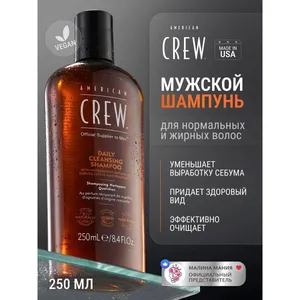 American CrewAmerican Crew Daily Cleansing men’s daily shampoo5.8
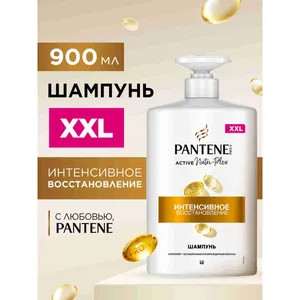 PantenePantene Pro-V “Intensive Repair” shampoo for damaged hair5.8
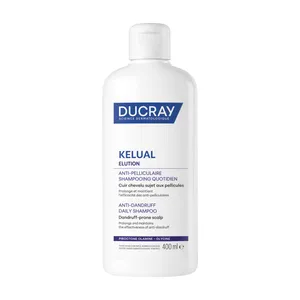 DucrayDucray Gentle Balancing Shampoo5.5
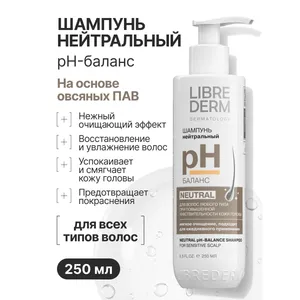 LibredermLibrederm pH-Balance neutral shampoo for sensitive scalp5.3
 Wella ProfessionalsWella Professionals Oil Reflections Luminous Reveal shampoo for hair shine5.2