Anaemia in Pregnancy: Symptoms, Norms and Treatment
Reviewed by the LabReadAI medical team
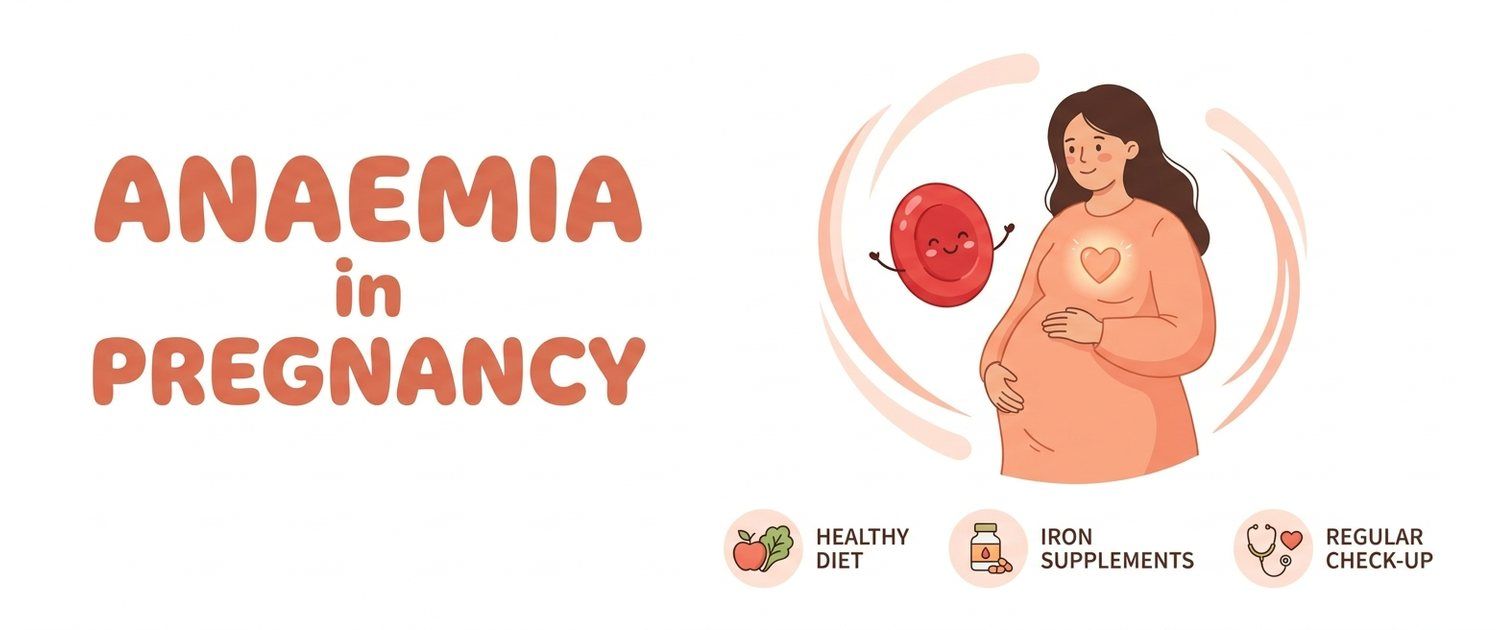
Anaemia in pregnancy is one of the most common deviations: a growing baby and a rising blood volume increase the need for iron. Let's break down what haemoglobin counts as low, why anaemia is dangerous for mother and baby and how it is correctly replenished.
What Haemoglobin Counts as Low
In pregnancy the lower limit of haemoglobin is slightly below usual — due to blood "dilution". Anaemia is a haemoglobin below ~110 g/L in the 1st and 3rd trimesters and below ~105 g/L in the 2nd. More — haemoglobin norm. Grades: mild (~90–110), moderate (~70–90), severe (below 70).
The Role of Ferritin
Haemoglobin falls only with a marked deficiency, while ferritin (the iron store) drops earlier. So a hidden iron deficiency is caught by low ferritin before anaemia — letting correction start sooner.
Symptoms of Anaemia
- weakness, fatigue, drowsiness;
- pallor, dizziness, shortness of breath on exertion;
- brittle hair and nails, cravings for unusual "tastes" (chalk, ice).
Many of these are blamed on the pregnancy itself, so anaemia is easier to catch by tests than by sensations.
Why It Is Dangerous for Mother and Baby
Marked anaemia raises risks for the pregnancy and is linked to fetal growth restriction, preterm birth, and harder-tolerated blood loss in labour. So it matters to detect and treat without delay.
How It Is Treated and Iron Replenished
The basis is iron supplements in an adequate dose as prescribed by a doctor (plus diet: meat, liver). Control is by haemoglobin and ferritin over time. More on doses — iron in pregnancy. Choosing high doses on your own is unwise.
To understand your haemoglobin and ferritin in plain language, upload the form (PDF or photo) to the lab results interpretation service: the AI will explain the markers for the dates. This helps you understand the result, but treatment is prescribed by a doctor.
This article is informational. Diagnosis and treatment of anaemia are the doctor's job.
For informational purposes only
This article is for informational purposes only and does not constitute medical advice, diagnosis, or treatment. Please consult a healthcare professional for medical guidance.