Blood Pressure in Pregnancy: Norms, High and Low Readings
Reviewed by the LabReadAI medical team
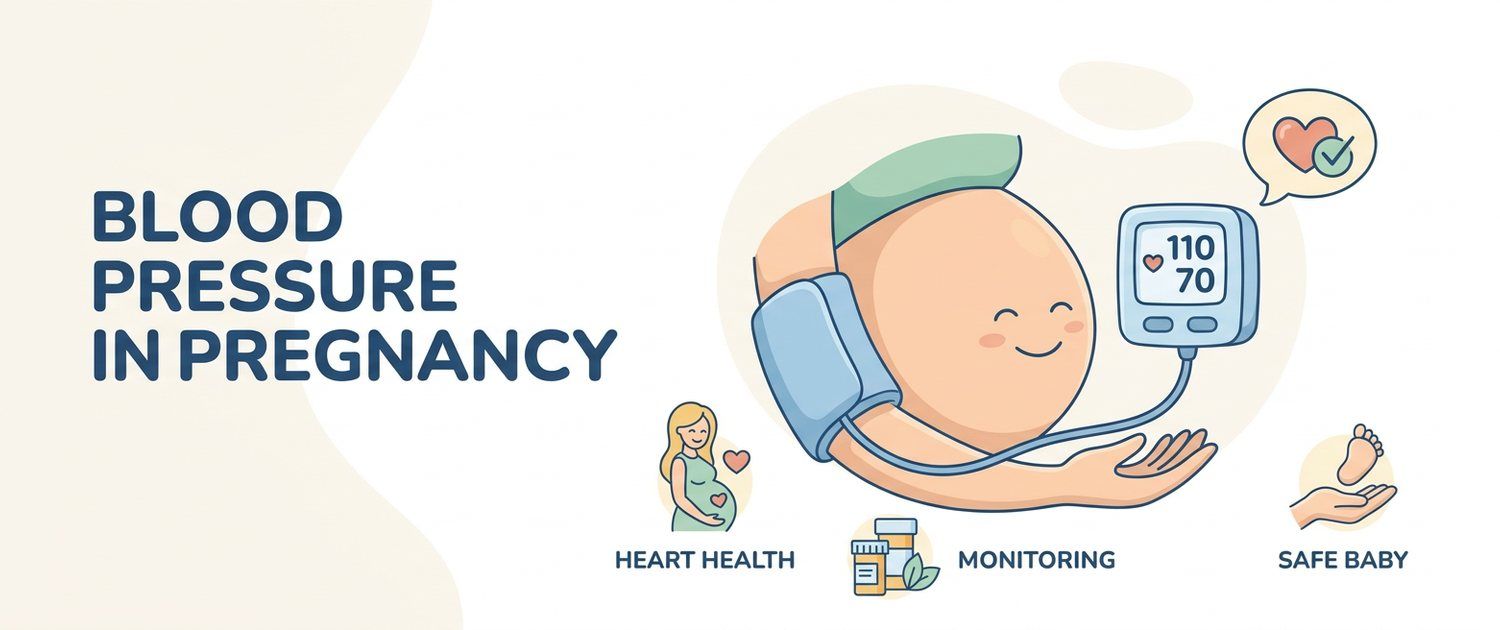
Monitoring blood pressure is one of the main points of pregnancy care: both high and low pressure matter. Let's break down what blood pressure is normal in pregnancy, why deviations are dangerous and when to see a doctor urgently.
Normal Blood Pressure in Pregnancy
The norm is roughly as before pregnancy, usually below 140/90. In the first half, blood pressure often dips a little (hormones and vessel dilation), returning to baseline by the third trimester. It is important to know your "usual" blood pressure and measure regularly.
High Blood Pressure: Why It Is Dangerous
Blood pressure ≥140/90, especially after 20 weeks, is a warning: it can be a sign of preeclampsia (with protein in urine and swelling — see preeclampsia). High blood pressure impairs blood flow to the fetus and is dangerous for the mother. Readings ≥160/110 are an emergency.
Low Blood Pressure: Why and What It Threatens
In the first trimester, a frequent drop in blood pressure causes weakness, dizziness, fainting and worsens toxicosis — see toxicosis in pregnancy. Moderately low blood pressure is less dangerous than high, but fainting risks a fall; sharp weakness warrants seeing a doctor.
How to Measure Blood Pressure Correctly
- at rest, seated, after 5 minutes' rest, arm at heart level;
- not right after eating, coffee or exertion;
- with high readings, re-measure after a few minutes;
- keep a blood pressure diary, especially in the second half.
When to See a Doctor Urgently
Immediately: blood pressure 160/110 or higher; 140/90+ with headache, face/hand swelling, vision changes, pain under the right ribs (possible preeclampsia); fainting. Blood pressure is assessed with protein in urine and tests — what tests are done in pregnancy.
To understand your readings and tests in plain language, upload the form (PDF or photo) to the lab results interpretation service. This helps you understand the result, but with alarming readings see a doctor at once.
This article is informational. Diagnosis and treatment in pregnancy are the doctor's job.
For informational purposes only
This article is for informational purposes only and does not constitute medical advice, diagnosis, or treatment. Please consult a healthcare professional for medical guidance.