Progesterone in Pregnancy: Norms by Week and Its Role
Reviewed by the LabReadAI medical team
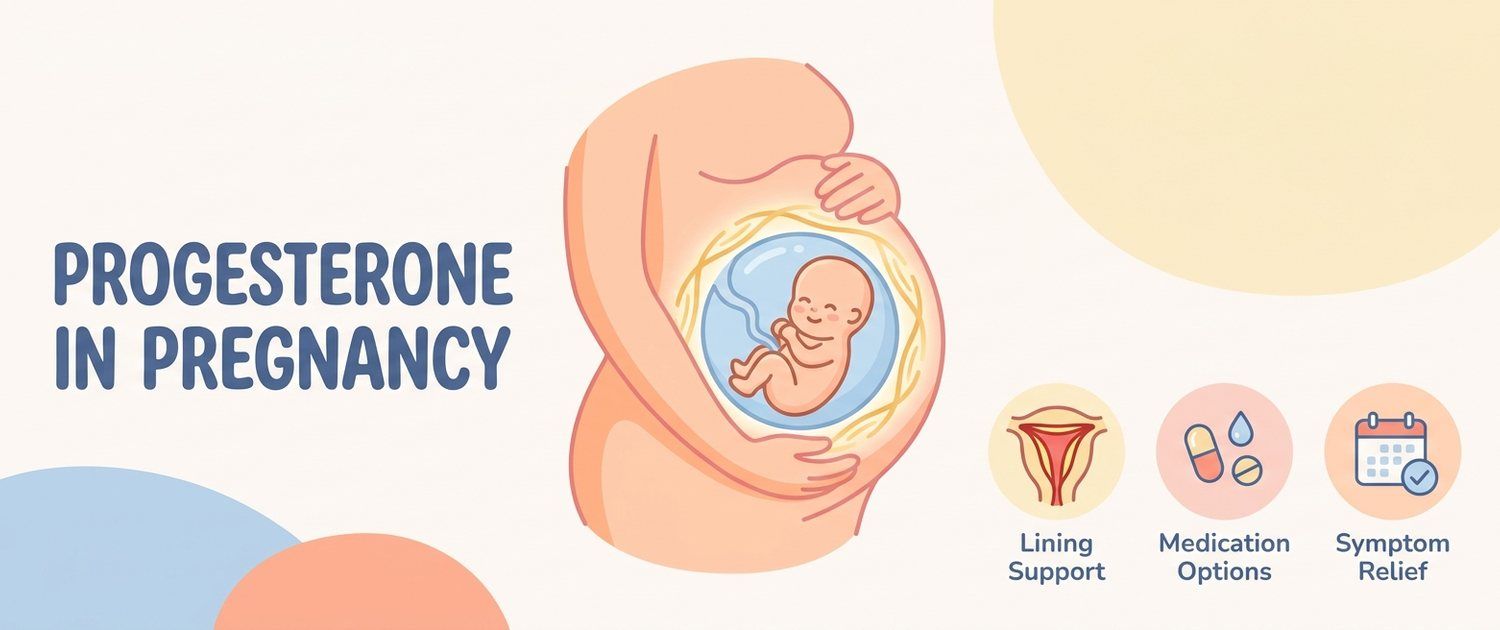
Progesterone is called the "pregnancy hormone": it helps maintain and carry a pregnancy. There is a lot of worry around it — "low progesterone", "must raise it". Let's break down what progesterone norms in pregnancy are by week, why it is needed and when it is really corrected.
Why Progesterone Is Needed
Progesterone prepares the uterus for implantation, lowers its tone and supports the pregnancy in early stages. At first the corpus luteum produces it, then the placenta. So the marker is watched closely, especially in the 1st trimester.
Progesterone Norms by Trimester
Progesterone rises as the pregnancy progresses. Guides (nmol/L, lab-dependent):
| Period | Approximate (nmol/L) |
|---|---|
| 1st trimester | ~35–140 |
| 2nd trimester | ~80–300 |
| 3rd trimester | ~150–550 |
Units and references differ between labs — compare with your form. An isolated value says little without the dates and clinical picture.
Low Progesterone: What It Threatens
Low progesterone is linked to a risk of early miscarriage, but one value is not a verdict: levels fluctuate and the norm is wide. It is assessed together with hCG, ultrasound and symptoms (pain, discharge). With a threatened miscarriage the doctor decides on the whole picture, not one number.
Should It Be Raised with Medication
Progesterone medication is sometimes prescribed (e.g. for recurrent miscarriage or a threat) — but only on indication and by a doctor's decision, not "just in case" from one test. You must not start or stop it on your own.
When to Test and See a Doctor
Progesterone is checked when planning a pregnancy, with conception problems or a threat. The general list is in what tests are done in pregnancy.
To understand your result in plain language, upload the form (PDF or photo) to the lab results interpretation service: the AI will explain progesterone for the dates. This helps you understand the number, but decisions are made by the doctor.
This article is informational. Prescribing progesterone medication is the doctor's job.
For informational purposes only
This article is for informational purposes only and does not constitute medical advice, diagnosis, or treatment. Please consult a healthcare professional for medical guidance.