Formula · 3.2
Brand · 3.6
Рецепты бабушки Агафьи · burdock root extract + sea buckthorn · Russia
Agafia Special Growth-Activating Shampoo
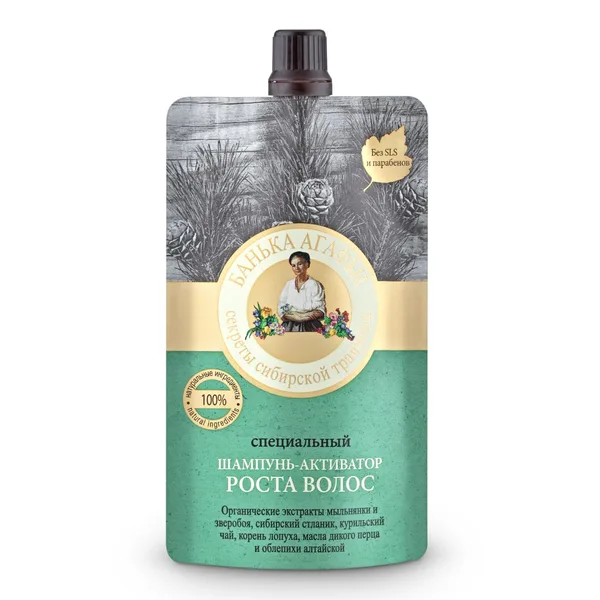
LabReadAI label score
How the score is calculated- Actives and evidence0.3No proven effect when applied: burdock root extract
- Completeness for the purpose0.2For “hair shedding (topical)” — 20 %; niacinamide (vitamin b3); could be added without conflict: niacinamide (vitamin b3); a broad formula across 3 purposes
- Cleansing base0.4Harsh surfactants: sodium coco-sulfate; mild surfactants: coco-glucoside; irritation potential of the base — 61 % of SLS
- Tolerance0.9Rinse-off product; debatable groups: benzyl alcohol, fragrance and its allergens (skin test positive in 13 of 100 tested)
- adults
- pregnancyallowed per the leaflet
- colour-treated hairwashes colour out faster
- dry skinmay dry
- acne-proneFulton comedogenicity not measured — try with care
- sensitive skinirritation possible
- dry scalpmay dry
- atopic skinfragrance is a common trigger
Ingredients — 17 components, 2 of them active
The rest is the formula base: it holds texture, shelf life and application, and is not meant to act.
What works: 2 of 17 ingredients: burdock root extract, sea buckthorn oil. Topical products against shedding work weakly: only minoxidil is proven (a medicine we do not score); among cosmetics rosemary oil has moderate data, caffeine weak. The cause of shedding is found by tests: iron, thyroid, vitamin D.
Strengths: tolerance
What lowers the score: actives and evidence: no proven effect when applied: burdock root extract; completeness for the purpose: for “hair shedding” — 20 %; cleansing base: harsh surfactants: sodium coco-sulfate
Questions: sodium coco-sulfate — a sulfate from coconut oil: by composition it is mostly the same lauryl sulfate, so a natural origin does not make it milder. Common in solid shampoos.; fragrance and its allergens: fragrance — the fragrance and its aromatic components; the EU requires 26 of them to be listed separately — matters to people allergic to fragrance, does not affect how the product works; benzyl alcohol
- Aqua base: coating, fillers · water — the solvent and base; listed first because there is more of it than anything else; in supplements — part of the capsule shell
- Sodium Coco-Sulfate questions · a sulfate from coconut oil: by composition it is mostly the same lauryl sulfate, so a natural origin does not make it milder. Common in solid shampoos.
- Pinus Pumila Extract base: coating, fillers · plant and algae extracts and floral waters: flavouring and marketing components — at these shares there is no proven effect on the skin; rare reactions in people allergic to that particular plant
- Coco-Glucoside base: coating, fillers · a sugar surfactant made from coconut oil and glucose: it cleanses gently with modest foam. A common base for baby and sulfate-free shampoos.
- Glyceryl Oleate base: coating, fillers · fills the gaps between skin flakes, so the surface feels smooth
- Sorbitan Caprylate base: coating, fillers · a mild emulsifier; rarely clogs pores in leave-on face products
- Potentilla Supina Extract base: coating, fillers · plant and algae extracts and floral waters: flavouring and marketing components — at these shares there is no proven effect on the skin; rare reactions in people allergic to that particular plant
- Arctium Lappa Root Extract works · the active ingredient — what the product is for; form: burdock root extract
- Saponaria Officinalis Root Extract base: coating, fillers · plant and algae extracts and floral waters: flavouring and marketing components — at these shares there is no proven effect on the skin; rare reactions in people allergic to that particular plant
- Hippophae Rhamnoides Fruit Oil works · the active ingredient — what the product is for; form: fruit pulp oil (orange, palmitoleic acid)
- Hypericum Perforatum Extract base: coating, fillers · plant and algae extracts and floral waters: flavouring and marketing components — at these shares there is no proven effect on the skin; rare reactions in people allergic to that particular plant
- Acanthopanax Senticosus Root Oil base: coating, fillers · the plant base: emollient oils, waxes and care extracts
- Parfum questions · the fragrance and its aromatic components; the EU requires 26 of them to be listed separately — matters to people allergic to fragrance, does not affect how the product works
- Benzoic Acid base: coating, fillers · protect the product from bacteria and mould; used within the EU-permitted concentrations
- Sorbic Acid base: coating, fillers · stops bacteria and mould growing in the jar
- Benzyl Alcohol questions · a preservative and solvent permitted in the EU up to 1 %. It is also on the list of 26 fragrance allergens that must be declared separately, which matters to people allergic to fragrance.
- Citric Acid base: coating, fillers · acidity regulator
- Caramel base: coating, fillers · give the product its colour; do not affect how it works
Agafia Special Growth-Activating Shampoo is a product whose active ingredient is burdock root extract + sea buckthorn oil. The concentration is not declared, but the active sits above the 1 % line in the list — a working share is likely. There is no evidence of effect: burdock root extract. There is little evidence of effect: sea buckthorn oil. The formula has 17 ingredients, 2 of which do the work; the rest is the formula base. Worth noting: Sodium Coco-Sulfate (a sulfate from coconut oil: by composition it is mostly the same lauryl sulfate, so a natural origin does not make it milder. Common in solid shampoos.); Parfum (the fragrance and its aromatic components; the EU requires 26 of them to be listed separately — matters to people allergic to fragrance, does not affect how the product works); Benzyl Alcohol. Topical products against shedding work weakly: only minoxidil is proven (a medicine we do not score); among cosmetics rosemary oil has moderate data, caffeine weak. The cause of shedding is found by tests: iron, thyroid, vitamin D. By the list, no alcohol (alcohol denat), formaldehyde releasers, isothiazolinones (MIT/MCI), parabens, mineral oils and petrolatum, soap, silicones, gelatin in the coating, toning dyes, tar. Suitable for: adults, pregnancy. colour-treated hair, dry skin, acne-prone, sensitive skin, dry scalp, atopic skin — ask a doctor. Asteraceae allergy, fragrance allergy — not without a doctor. Use: on the scalp and along the length 30–60 minutes before washing. When to expect an effect: softer hair — right after the first use; do not count on an effect on shedding. Label score — 3.2 out of 10 (no proven effect when applied: burdock root extract; for “hair shedding (topical)” — 20 %; niacinamide (vitamin b3); could be added without conflict: niacinamide (vitamin b3); a broad formula across 3 purposes; harsh surfactants: sodium coco-sulfate; mild surfactants: coco-glucoside; irritation potential of the base — 61 % of sls; rinse-off product; debatable groups: benzyl alcohol, fragrance and its allergens (skin test positive in 13 of 100 tested)). Per the pack: for external use, avoid contact with the eyes. A restatement of the label, not an assessment.
Who it does not suit
- Asteraceae allergyburdock belongs to the Asteraceae family, like ragweed and mugwort: a cross-reaction is possible if you are allergic to those
- fragrance allergyrisk of reaction
When to stop: new comedones, itching — stop
Per the maker's leaflet: Per the pack: for external use, avoid contact with the eyes. A restatement of the label, not an assessment.
Is this product right for your hair?
The score describes the formula, not your hair: a sulfate shampoo suits an oily scalp and fails a dry, sensitive one. Tell us about your hair, scalp and the problem — shedding, dandruff, oiliness, dryness — and we will build a routine and say whether this product suits you.
Similar products
Same nutrient and the same purpose — closest by form and dose. Each has its own score by the same method, so you can see whether there is an option nearby that is more honest or simpler in composition.
 911 Экстренная помощь911 Burdock Shampoo4.8
 Лошадиная силаHorse Force Amicrozol Anti-Dandruff Shampoo6.2
 Natura SibericaNatura Siberica “Volume and care” sulfate-free shampoo for all hair types5.7
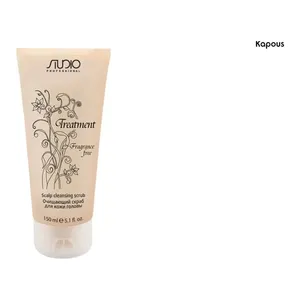 Kapous ProfessionalKapous Studio Professional Treatment Cleansing Scrub5.6
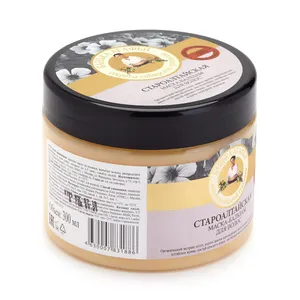 Рецепты бабушки АгафьиAgafia Staroaltayskaya Hair Mask-Balm4.1
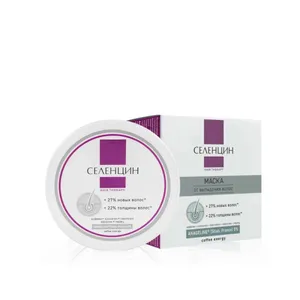 СеленцинSelencin Hair Therapy Anti-Hair-Loss Mask3.6
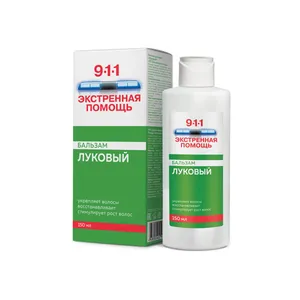 911 Экстренная помощь911 Onion Hair Balm3.0
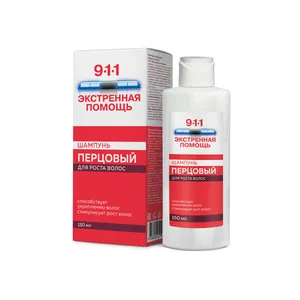 911 Экстренная помощь911 Red Pepper Growth Shampoo2.7