Formula · 6.5
Brand · 6.5
ARAVIA Laboratories · cleansing gel · Russia
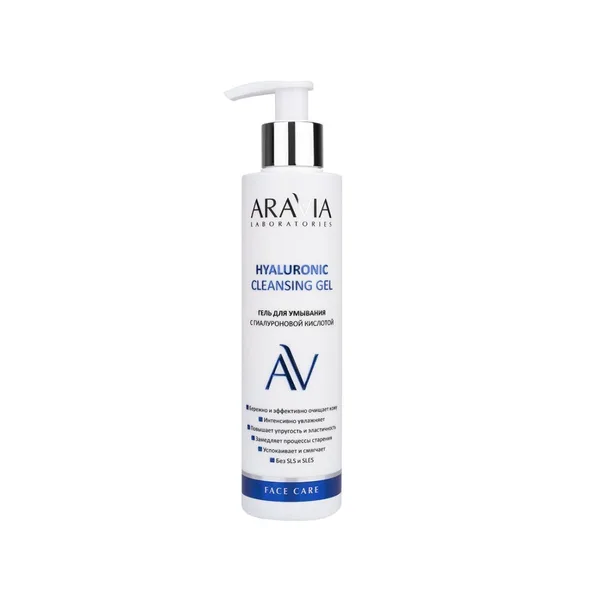
ARAVIA Laboratories Hyaluronic Cleansing Gel
LabReadAI label score
How the score is calculated- Actives and evidence0.6Actives with strong evidence: 0 of 2
- Active concentration0.7After the 1 % line: aloe vera — the concentration is likely token
- Completeness for the purpose0.6For “hydration” — 65 %; below threshold: dryness and a damaged barrier; a narrow formula for one purpose
- Tolerance0.9Rinse-off product; debatable groups: fragrance and its allergens (skin test positive in 13 of 100 tested)
- adults
- pregnancyallowed per the leaflet
- children
- dry skin
- oily skin
- sensitive skinirritation possible
- atopic skinfragrance is a common trigger
Ingredients — 12 components, 2 of them active
The rest is the formula base: it holds texture, shelf life and application, and is not meant to act.
What works: 2 of 12 ingredients: aloe vera, hyaluronic acid. Hydrating products draw water into the upper skin layer (glycerin, hyaluronate, panthenol, ectoin) — one humectant is enough. Without barrier ingredients (niacinamide, ceramides, oils) the effect does not last.
Strengths: tolerance
What lowers the score: actives and evidence: actives with strong evidence: 0 of 2; active concentration: after the 1 % line: aloe vera — the concentration is likely token; completeness for the purpose: for “hydration” — 65 %
Questions: fragrance and its allergens: fragrance — the fragrance and its aromatic components; the EU requires 26 of them to be listed separately — matters to people allergic to fragrance, does not affect how the product works
- Aqua base: coating, fillers · water — the solvent and base; listed first because there is more of it than anything else; in supplements — part of the capsule shell
- Sodium Cocoyl Glutamate base: coating, fillers · amino-acid surfactants: they cleanse at a skin-close acidity and barely dry. The base of gentle gels and shampoos.
- Glycerin base: coating, fillers · a humectant: coats the tablet, holds moisture in creams and shampoos; does not clog pores
- Xanthan Gum base: coating, fillers · hold the texture: gels, creams and foam do not separate
- Phenoxyethanol base: coating, fillers · the most widespread cosmetic preservative: it keeps the product sterile. Permitted in the EU up to 1 %, recognised as safe at that level.
- Coco-Glucoside base: coating, fillers · a sugar surfactant made from coconut oil and glucose: it cleanses gently with modest foam. A common base for baby and sulfate-free shampoos.
- Citric Acid base: coating, fillers · acidity regulator
- Parfum questions · the fragrance and its aromatic components; the EU requires 26 of them to be listed separately — matters to people allergic to fragrance, does not affect how the product works
- Ethylhexylglycerin base: coating, fillers · a preservative booster and skin-conditioning ingredient: it barely preserves on its own but helps phenoxyethanol work and lowers the amount needed.
- Aloe Barbadensis Leaf Juice works · the active ingredient — what the product is for; form: aloe gel
- Betaine base: coating, fillers · draws water in and holds it in the upper layer of the skin
- Disodium EDTA base: coating, fillers · bind hard-water metals so the formula stays stable and the foam works
- Sodium Hyaluronate works · the active ingredient — what the product is for; form: sodium hyaluronate
ARAVIA Laboratories Hyaluronic Cleansing Gel is a product whose active ingredient is aloe vera + hyaluronic acid. The concentration is not declared; the active sits after the 1 % line, but works at small shares. There is little evidence of effect: aloe vera. The effect is moderately supported: hyaluronic acid. The formula has 12 ingredients, 2 of which do the work; the rest is the formula base. Worth noting: Parfum (the fragrance and its aromatic components; the EU requires 26 of them to be listed separately — matters to people allergic to fragrance, does not affect how the product works). Hydrating products draw water into the upper skin layer (glycerin, hyaluronate, panthenol, ectoin) — one humectant is enough. Without barrier ingredients (niacinamide, ceramides, oils) the effect does not last. By the list, no alcohol (alcohol denat), sulfates (SLS/SLES), formaldehyde releasers, isothiazolinones (MIT/MCI), parabens, mineral oils and petrolatum, soap, silicones, gelatin in the coating, toning dyes, tar. Suitable for: adults, pregnancy, children, dry skin, oily skin. sensitive skin, atopic skin — ask a doctor. fragrance allergy — not without a doctor. Use: morning and evening. When to expect an effect: hydration — right away; calming of irritation — 1–2 weeks. Label score — 6.5 out of 10 (actives with strong evidence: 0 of 2; after the 1 % line: aloe vera — the concentration is likely token; for “hydration” — 65 %; below threshold: dryness and a damaged barrier; a narrow formula for one purpose; rinse-off product; debatable groups: fragrance and its allergens (skin test positive in 13 of 100 tested)).
Who it does not suit
- fragrance allergyrisk of reaction
When to stop: tightness in dry air — apply under a cream
Is this product right for your skin?
The score describes the formula, not your skin: the same product dries one person and saves another. Describe your skin type, reactions and goals, attach a photo of the ingredient list or the product — we will go through every ingredient and say whether it suits you, what to pair it with and what to avoid.
Similar products
Same nutrient and the same purpose — closest by form and dose. Each has its own score by the same method, so you can see whether there is an option nearby that is more honest or simpler in composition.
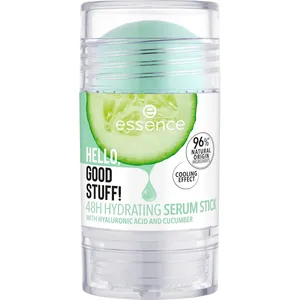 essenceessence hello, good stuff! 48h Hydrating Serum Stick7.6
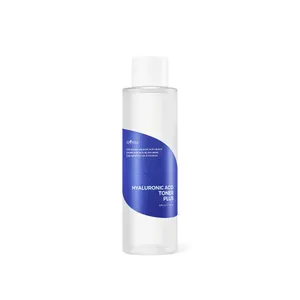 IsntreeIsntree Hyaluronic Acid Toner Plus7.4
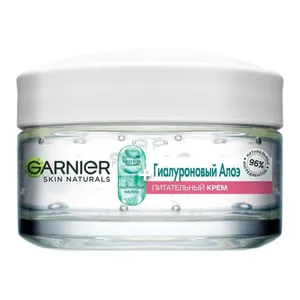 GarnierGarnier Hyaluronic Aloe face cream6.2
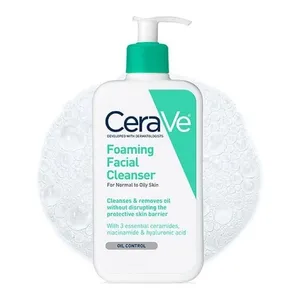 CeraVeCeraVe Foaming Facial Cleanser9.6
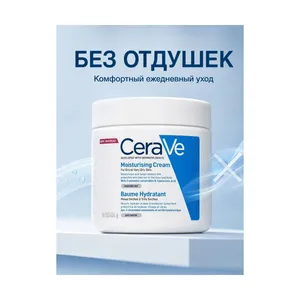 CeraVeCeraVe Moisturizing Cream9.6
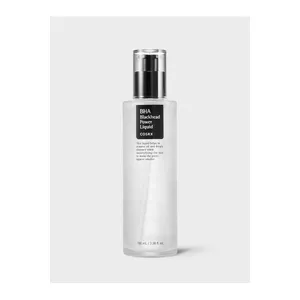 COSRXCOSRX BHA Blackhead Power Liquid8.9
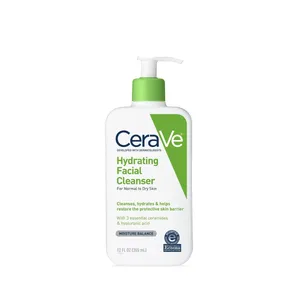 CeraVeCeraVe Hydrating Facial Cleanser8.8
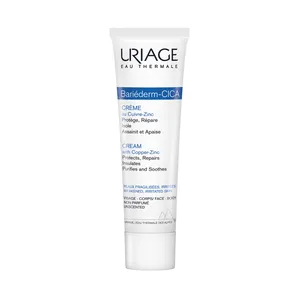 UriageUriage Bariéderm-CICA Crème8.8