Formula · 5.3
Brand · 6.8
COSRX · tea tree + BHA · South Korea
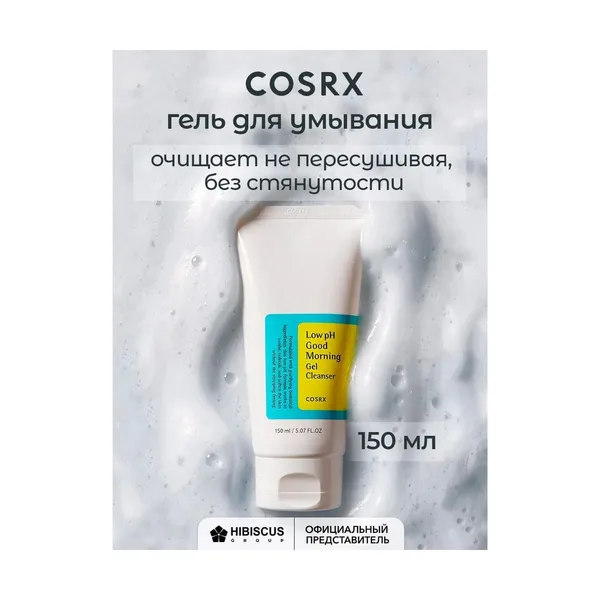
COSRX Low pH Good Morning Gel Cleanser
LabReadAI label score
How the score is calculated- Actives and evidence0.8Actives with strong evidence: 0 of 2
- Active concentration0.5After the 1 % line: betaine salicylate (bha) — the concentration is likely token
- Completeness for the purpose0.3For “acne and blackheads” — 30 %; without niacinamide, which cuts sebum and redness; without a retinoid — the main tool against new plugs; could be added without conflict: niacinamide (vitamin b3), retinoid; below threshold: betaine salicylate (bha), tea tree oil; a narrow formula for one purpose
- Tolerance1.0No ingredients from irritant or allergen lists
- adults
- oily skin
- acne-prone
- sensitive skinoxidised oil is a contact allergen
- childrenage-based dose, with a doctor
- pregnancysalicylates — ask a doctor
Ingredients — 24 components, 2 of them active
The rest is the formula base: it holds texture, shelf life and application, and is not meant to act.
What works: 2 of 24 ingredients: tea tree oil, betaine salicylate. Acne products work on four fronts: dissolve plugs (acids), calm inflammation (azelaic acid, niacinamide, zinc), kill bacteria (benzoyl peroxide, tea tree) and prevent new plugs (a retinoid). One active per front is enough; two or three different fronts work noticeably better.
Strengths: tolerance
What lowers the score: actives and evidence: actives with strong evidence: 0 of 2; active concentration: after the 1 % line: betaine salicylate — the concentration is likely token; completeness for the purpose: for “acne and blackheads” — 30 %
Questions: no debatable ingredients in the formula
- Water base: coating, fillers · water — the solvent and base; listed first because there is more of it than anything else; in supplements — part of the capsule shell
- Cocamidopropyl Betaine base: coating, fillers · a mild amphoteric surfactant: it builds dense foam and softens the harsh sulfates next to it. It occasionally causes contact allergy, and the culprit is a manufacturing impurity rather than the ingredient itself.
- Sodium Lauroyl Methyl Isethionate base: coating, fillers · a mild surfactant: rich foam without the tight feeling, a frequent sulfate replacement in shampoos.
- Sodium Chloride base: coating, fillers · tune the acidity and texture; salt is a common shampoo thickener
- Polysorbate 20 base: coating, fillers · cleanse and bind water with oils; milder than the sulfate ones
- Styrax Japonicus Branch/Fruit/Leaf Extract base: coating, fillers · plant and algae extracts and floral waters: flavouring and marketing components — at these shares there is no proven effect on the skin; rare reactions in people allergic to that particular plant
- Butylene Glycol base: coating, fillers · a humectant and solvent: it makes the texture lighter and helps actives spread. Better tolerated than propylene glycol.
- Saccharomyces Ferment base: coating, fillers · skin-microbiome ferments, prebiotics and formula antioxidants
- Cryptomeria Japonica Leaf Extract base: coating, fillers · plant and algae extracts and floral waters: flavouring and marketing components — at these shares there is no proven effect on the skin; rare reactions in people allergic to that particular plant
- Nelumbo Nucifera Leaf Extract base: coating, fillers · plant and algae extracts and floral waters: flavouring and marketing components — at these shares there is no proven effect on the skin; rare reactions in people allergic to that particular plant
- Pinus Palustris Leaf Extract base: coating, fillers · plant and algae extracts and floral waters: flavouring and marketing components — at these shares there is no proven effect on the skin; rare reactions in people allergic to that particular plant
- Ulmus Davidiana Root Extract base: coating, fillers · plant and algae extracts and floral waters: flavouring and marketing components — at these shares there is no proven effect on the skin; rare reactions in people allergic to that particular plant
- Oenothera Biennis (Evening Primrose) Flower Extract base: coating, fillers · plant and algae extracts and floral waters: flavouring and marketing components — at these shares there is no proven effect on the skin; rare reactions in people allergic to that particular plant
- Pueraria Lobata Root Extract base: coating, fillers · plant and algae extracts and floral waters: flavouring and marketing components — at these shares there is no proven effect on the skin; rare reactions in people allergic to that particular plant
- Melaleuca Alternifolia (Tea Tree) Leaf Oil works · the active ingredient — what the product is for; form: leaf oil
- Allantoin base: coating, fillers · amino acids, lipids and sugars akin to the skin’s own components — support for its barrier
- Caprylyl Glycol base: coating, fillers · a humectant that also holds bacteria back, which is why it often replaces part of the preservative.
- Ethylhexylglycerin base: coating, fillers · a preservative booster and skin-conditioning ingredient: it barely preserves on its own but helps phenoxyethanol work and lowers the amount needed.
- Betaine Salicylate works · the active ingredient — what the product is for; form: BHA acid
- Citric Acid base: coating, fillers · acidity regulator
- Ethyl Hexanediol base: coating, fillers · humectants and solvents — hold water and help actives dissolve
- 1,2-Hexanediol base: coating, fillers · a solvent and humectant with antimicrobial action: it helps the product keep without classic preservatives.
- Trisodium Ethylenediamine Disuccinate base: coating, fillers · bind hard-water metals so the formula stays stable and the foam works
- Sodium Benzoate base: coating, fillers · a preservative both in cosmetics and in supplements: a salt of benzoic acid that works in an acidic medium. Permitted as food additive E211 and in cosmetics up to 0.5 %.
- Disodium EDTA base: coating, fillers · bind hard-water metals so the formula stays stable and the foam works
COSRX Low pH Good Morning Gel Cleanser is a product whose active ingredient is tea tree oil + betaine salicylate (bha). The concentration is not declared, but the active sits above the 1 % line in the list — a working share is likely. The effect is moderately supported: tea tree oil, betaine salicylate (bha). The formula has 24 ingredients, 2 of which do the work; the rest is the formula base. Acne products work on four fronts: dissolve plugs (acids), calm inflammation (azelaic acid, niacinamide, zinc), kill bacteria (benzoyl peroxide, tea tree) and prevent new plugs (a retinoid). One active per front is enough; two or three different fronts work noticeably better. By the list, no alcohol (alcohol denat), sulfates (SLS/SLES), formaldehyde releasers, isothiazolinones (MIT/MCI), parabens, mineral oils and petrolatum, soap, silicones, fragrance, gelatin in the coating, toning dyes, tar. Suitable for: adults, oily skin, acne-prone. sensitive skin, children, pregnancy — ask a doctor. fragrance allergy — not without a doctor. Use: morning or evening on clean skin. When to expect an effect: acne — 6–12 weeks. Label score — 5.3 out of 10 (actives with strong evidence: 0 of 2; after the 1 % line: betaine salicylate (bha) — the concentration is likely token; for “acne and blackheads” — 30 %; without niacinamide, which cuts sebum and redness; without a retinoid — the main tool against new plugs; could be added without conflict: niacinamide (vitamin b3), retinoid; below threshold: betaine salicylate (bha), tea tree oil; a narrow formula for one purpose).
Who it does not suit
- fragrance allergyrisk of reaction
When to stop: itching, rash — stop; burning — stop
Is this product right for your skin?
The score describes the formula, not your skin: the same product dries one person and saves another. Describe your skin type, reactions and goals, attach a photo of the ingredient list or the product — we will go through every ingredient and say whether it suits you, what to pair it with and what to avoid.
Similar products
Same nutrient and the same purpose — closest by form and dose. Each has its own score by the same method, so you can see whether there is an option nearby that is more honest or simpler in composition.