Formula · 7.3
Brand · 7.0
MIXIT · serum with niacinamide and tranexamic acid · Russia
MIXIT Skin Chemistry Stop Acne Face Serum
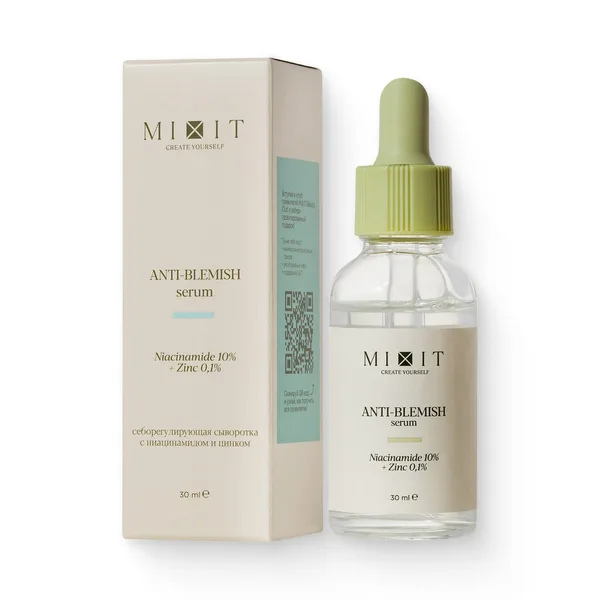
LabReadAI label score
How the score is calculated- Actives and evidence0.7Actives with strong evidence: 1 of 4
- Active concentration0.9Actives sit above the 1 % line — by list order a working concentration is 94 % likely
- Completeness for the purpose0.5For “dark spots and uneven tone” — 54 %; retinoid; glycolic acid; could be added without conflict: retinoid, glycolic acid; below threshold: niacinamide (vitamin b3); a narrow formula for one purpose
- Tolerance1.0No ingredients from irritant or allergen lists
- adults
- pregnancyallowed per the leaflet
- oily skin
- acne-prone
- children
- sensitive skinat 10 % flushing is possible
- rosaceaask a dermatologist
Ingredients — 21 components, 4 of them active
The rest is the formula base: it holds texture, shelf life and application, and is not meant to act.
What works: 4 of 21 ingredients: niacinamide, tranexamic acid, arbutin and 1 more. Acne products work on four fronts: dissolve plugs (acids), calm inflammation (azelaic acid, niacinamide, zinc), kill bacteria (benzoyl peroxide, tea tree) and prevent new plugs (a retinoid). One active per front is enough; two or three different fronts work noticeably better.
Strengths: active concentration, tolerance
What lowers the score: actives and evidence: actives with strong evidence: 1 of 4; completeness for the purpose: for “dark spots and uneven tone” — 54 %
Questions: no debatable ingredients in the formula
- Tranexamic acid + Arbutin — reinforce each othertranexamic acid dampens the signal to make pigment, arbutin blocks the enzyme itself — different routes
- Tranexamic acid + Niacinamide (vitamin B3) — reinforce each otherin an RCT a serum with tranexamic acid and niacinamide matched 4 % hydroquinone
- Aqua base: coating, fillers · water — the solvent and base; listed first because there is more of it than anything else; in supplements — part of the capsule shell
- Propylene Glycol base: coating, fillers · humectants and solvents — hold water and help actives dissolve
- Niacinamide works · the active ingredient — what the product is for; form: niacinamide
- Aloe Barbadensis Leaf Juice works · the active ingredient — what the product is for; form: aloe gel
- Tranexamic Acid works · the active ingredient — what the product is for; form: tranexamic acid
- Glycerin base: coating, fillers · a humectant: coats the tablet, holds moisture in creams and shampoos; does not clog pores
- Alpha-Arbutin works · the active ingredient — what the product is for; form: alpha-arbutin
- Ethoxydiglycol base: coating, fillers · humectants and solvents — hold water and help actives dissolve
- Pentylene Glycol base: coating, fillers · humectants and solvents — hold water and help actives dissolve
- Hydroxyacetophenone base: coating, fillers · protect the product from bacteria and mould; used within the EU-permitted concentrations
- Xanthan Gum base: coating, fillers · hold the texture: gels, creams and foam do not separate
- Ammonium Polyacryloyldimethyl Taurate base: coating, fillers · hold the texture: gels, creams and foam do not separate
- Capryloyl Glycine base: coating, fillers · protect the product from bacteria and mould; used within the EU-permitted concentrations
- Arginine base: coating, fillers · amino acids, lipids and sugars akin to the skin’s own components — support for its barrier
- Disodium EDTA base: coating, fillers · bind hard-water metals so the formula stays stable and the foam works
- Sodium Benzotriazolyl Butylphenol Sulfonate label wording · an allergen (sodium (salt)) — matters when limiting salt, for example with blood pressure; the label says it is absent
- Buteth-3 base: coating, fillers · dissolves the other ingredients and holds the formula together
- Tributyl Citrate base: coating, fillers · dissolves the other ingredients and holds the formula together
- Sodium Benzoate base: coating, fillers · a preservative both in cosmetics and in supplements: a salt of benzoic acid that works in an acidic medium. Permitted as food additive E211 and in cosmetics up to 0.5 %.
- Potassium Sorbate base: coating, fillers · a mild preservative against mould and yeast: used both in cosmetics and in foods and supplements (E202).
MIXIT Skin Chemistry Stop Acne Face Serum is a product whose active ingredient is niacinamide (vitamin b3) + tranexamic acid + arbutin + aloe vera. The concentration is not declared, but the active sits above the 1 % line in the list — a working share is likely. The effect is supported by studies: niacinamide (vitamin b3). The effect is moderately supported: tranexamic acid, arbutin. There is little evidence of effect: aloe vera. The formula has 21 ingredients, 4 of which do the work; the rest is the formula base. Well-matched pairs in the formula: tranexamic acid + arbutin; tranexamic acid + niacinamide (vitamin b3). Acne products work on four fronts: dissolve plugs (acids), calm inflammation (azelaic acid, niacinamide, zinc), kill bacteria (benzoyl peroxide, tea tree) and prevent new plugs (a retinoid). One active per front is enough; two or three different fronts work noticeably better. By the list, no alcohol (alcohol denat), sulfates (SLS/SLES), formaldehyde releasers, isothiazolinones (MIT/MCI), parabens, mineral oils and petrolatum, soap, silicones, fragrance, gelatin in the coating, toning dyes, tar. Suitable for: adults, pregnancy, oily skin, acne-prone, children. sensitive skin, rosacea — ask a doctor. Use: morning and evening, on clean skin. When to expect an effect: tone, pores — 4–8 weeks; sebum — 2–4. Label score — 7.3 out of 10 (actives with strong evidence: 1 of 4; actives sit above the 1 % line — by list order a working concentration is 94 % likely; for “dark spots and uneven tone” — 54 %; retinoid; glycolic acid; could be added without conflict: retinoid, glycolic acid; below threshold: niacinamide (vitamin b3); a narrow formula for one purpose). Sun protection is required in the daytime afterwards: brightening ingredients only work alongside it.
Who it does not suit
When to stop: persistent burning — stop
Per the maker's leaflet: Sun protection is required in the daytime afterwards: brightening ingredients only work alongside it.
Is this product right for your skin?
The score describes the formula, not your skin: the same product dries one person and saves another. Describe your skin type, reactions and goals, attach a photo of the ingredient list or the product — we will go through every ingredient and say whether it suits you, what to pair it with and what to avoid.
Similar products
Same nutrient and the same purpose — closest by form and dose. Each has its own score by the same method, so you can see whether there is an option nearby that is more honest or simpler in composition.
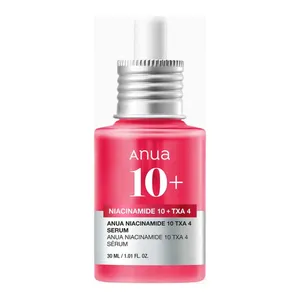 AnuaAnua Niacinamide 10 + TXA 4 Serum6.6
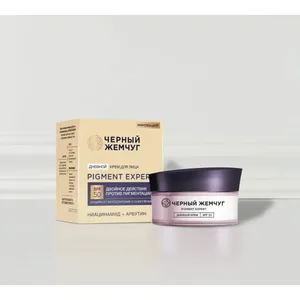 Чёрный жемчугBlack Pearl PIGMENT EXPERT Day Cream SPF 507.6
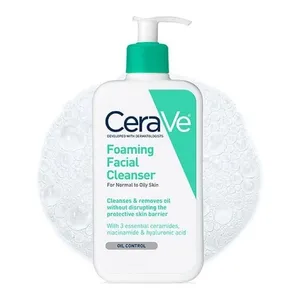 CeraVeCeraVe Foaming Facial Cleanser9.6
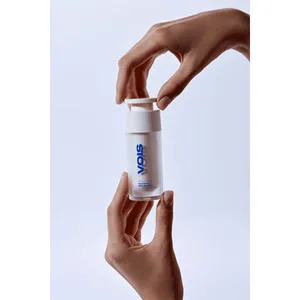 VOISVOIS Blemish Control Serum8.7
 MEDIHEALMEDIHEAL Derma Ampoule Mask H.P.A8.6
 numbuzinnumbuzin No.3 Skin Softening Serum8.5
 GarnierGarnier Skin Naturals Salicylic Anti-Blemish Serum7.5
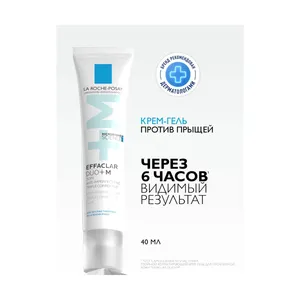 La Roche-PosayLa Roche-Posay Effaclar Duo+M7.2