Formula · 8.5
Brand · 8.5
numbuzin · serum on ferment filtrates · South Korea
numbuzin No.3 Skin Softening Serum
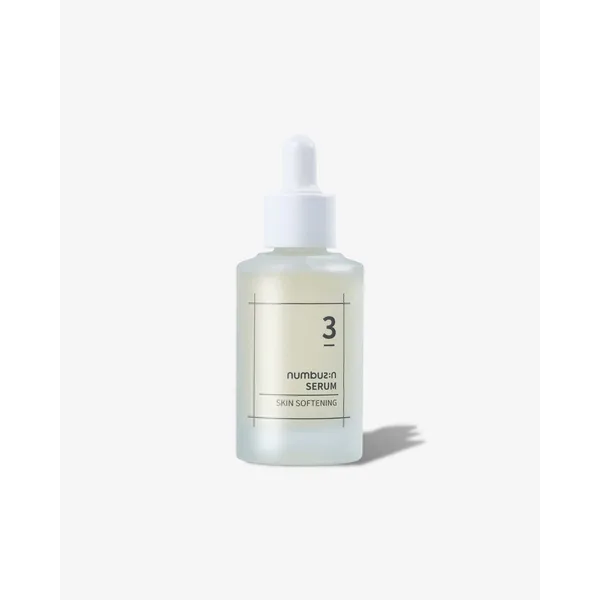
LabReadAI label score
How the score is calculated- Actives and evidence0.7Actives with strong evidence: 1 of 5
- Active concentration1.0Actives sit above the 1 % line — by list order a working concentration is 99 % likely
- Completeness for the purpose0.9For “skin texture and pores” — 93 %; glycolic acid; without a retinoid — it renews the skin deeper than acids; could be added without conflict: glycolic acid, retinoid; below threshold: niacinamide (vitamin b3); a formula with one main purpose
- Tolerance1.0No ingredients from irritant or allergen lists
- adults
- pregnancyallowed per the leaflet
- oily skin
- dry skin
- atopic skin
- children
- babies
- acne-pronemay clog pores in leave-on face products
- sensitive skinat 10 % flushing is possible
- rosaceaask a dermatologist
Ingredients — 27 components, 5 of them active
The rest is the formula base: it holds texture, shelf life and application, and is not meant to act.
What works: 5 of 27 ingredients: niacinamide, squalane, hyaluronic acid and 2 more. Bumps and enlarged pores are smoothed by acids (glycolic, lactic, mandelic, PHA, salicylic) — one is enough; niacinamide makes pores less visible, a retinoid renews the skin more deeply. Pores do not “close” — they become less noticeable.
Strengths: active concentration, completeness for the purpose, tolerance
What lowers the score: actives and evidence: actives with strong evidence: 1 of 5
Questions: no debatable ingredients in the formula
- Hyaluronic acid + Panthenol (pro-vitamin B5) — reinforce each othertwo humectants with different action: moisture plus soothing
- Bifida Ferment Lysate base: coating, fillers · skin-microbiome ferments, prebiotics and formula antioxidants
- Galactomyces Ferment Filtrate base: coating, fillers · skin-microbiome ferments, prebiotics and formula antioxidants
- Butylene Glycol base: coating, fillers · a humectant and solvent: it makes the texture lighter and helps actives spread. Better tolerated than propylene glycol.
- Methyl Gluceth-20 base: coating, fillers · humectants and solvents — hold water and help actives dissolve
- Water base: coating, fillers · water — the solvent and base; listed first because there is more of it than anything else; in supplements — part of the capsule shell
- Niacinamide works · the active ingredient — what the product is for; form: niacinamide
- PEG-90 base: coating, fillers · coating glazing agent
- 1,2-Hexanediol base: coating, fillers · a solvent and humectant with antimicrobial action: it helps the product keep without classic preservatives.
- Glycerin base: coating, fillers · a humectant: coats the tablet, holds moisture in creams and shampoos; does not clog pores
- Squalane works · the active ingredient — what the product is for; form: squalane (saturated, from olive or sugarcane)
- Alteromonas Ferment Extract base: coating, fillers · skin-microbiome ferments, prebiotics and formula antioxidants
- Silk Extract base: coating, fillers · plant and algae extracts and floral waters: flavouring and marketing components — at these shares there is no proven effect on the skin; rare reactions in people allergic to that particular plant
- Goat Milk Extract base: coating, fillers · plant and algae extracts and floral waters: flavouring and marketing components — at these shares there is no proven effect on the skin; rare reactions in people allergic to that particular plant
- Sodium Hyaluronate works · the active ingredient — what the product is for; form: sodium hyaluronate
- Panthenol works · the active ingredient — what the product is for; form: panthenol
- Adenosine works · the active ingredient — what the product is for; form: adenosine
- Glycereth-26 base: coating, fillers · humectants and solvents — hold water and help actives dissolve
- Xanthan Gum base: coating, fillers · hold the texture: gels, creams and foam do not separate
- Polyglyceryl-3 Distearate base: coating, fillers · keeps the water and oil parts from separating
- Glyceryl Stearate SE base: coating, fillers · self-emulsifying glyceryl stearate with added sodium or potassium stearate — the additive is what makes it more comedogenic than the neutral form; may clog pores in leave-on face products
- Glyceryl Stearate Citrate base: coating, fillers · the basic cream emulsifier (neutral NSE form); the self-emulsifying SE form with added potassium stearate is a separate entry, 3 of 5; does not clog pores
- Polyglyceryl-3 Methylglucose Distearate base: coating, fillers · keeps the water and oil parts from separating
- Carbomer base: coating, fillers · hold the texture: gels, creams and foam do not separate
- Tromethamine base: coating, fillers · tune the acidity and texture; salt is a common shampoo thickener
- Ethylhexylglycerin base: coating, fillers · a preservative booster and skin-conditioning ingredient: it barely preserves on its own but helps phenoxyethanol work and lowers the amount needed.
- Caprylyl Glycol base: coating, fillers · a humectant that also holds bacteria back, which is why it often replaces part of the preservative.
- Tropolone base: coating, fillers · softens the skin and helps it hold water — the most common role in creams
- Disodium EDTA base: coating, fillers · bind hard-water metals so the formula stays stable and the foam works
numbuzin No.3 Skin Softening Serum is a product whose active ingredient is niacinamide (vitamin b3) + squalane + hyaluronic acid + panthenol (pro-vitamin b5). The concentration is not declared, but the active sits above the 1 % line in the list — a working share is likely. The effect is supported by studies: niacinamide (vitamin b3). There is little evidence of effect: squalane, adenosine. The effect is moderately supported: hyaluronic acid, panthenol (pro-vitamin b5). The formula has 27 ingredients, 5 of which do the work; the rest is the formula base. Well-matched pairs in the formula: hyaluronic acid + panthenol (pro-vitamin b5). Bumps and enlarged pores are smoothed by acids (glycolic, lactic, mandelic, PHA, salicylic) — one is enough; niacinamide makes pores less visible, a retinoid renews the skin more deeply. Pores do not “close” — they become less noticeable. By the list, no alcohol (alcohol denat), sulfates (SLS/SLES), formaldehyde releasers, isothiazolinones (MIT/MCI), parabens, mineral oils and petrolatum, soap, silicones, fragrance, gelatin in the coating, toning dyes, tar. Suitable for: adults, pregnancy, oily skin, dry skin, atopic skin, children, babies. acne-prone, sensitive skin, rosacea — ask a doctor. Use: morning and evening, on clean skin. When to expect an effect: tone, pores — 4–8 weeks; sebum — 2–4. Label score — 8.5 out of 10 (actives with strong evidence: 1 of 5; actives sit above the 1 % line — by list order a working concentration is 99 % likely; for “skin texture and pores” — 93 %; glycolic acid; without a retinoid — it renews the skin deeper than acids; could be added without conflict: glycolic acid, retinoid; below threshold: niacinamide (vitamin b3); a formula with one main purpose).
Who it does not suit
When to stop: persistent burning — stop; new comedones — stop; tightness in dry air — apply under a cream; itching, rash — stop
Is this product right for your skin?
The score describes the formula, not your skin: the same product dries one person and saves another. Describe your skin type, reactions and goals, attach a photo of the ingredient list or the product — we will go through every ingredient and say whether it suits you, what to pair it with and what to avoid.
Similar products
Same nutrient and the same purpose — closest by form and dose. Each has its own score by the same method, so you can see whether there is an option nearby that is more honest or simpler in composition.
 Beauty of JoseonBeauty of Joseon Dynasty Cream7.1
 MEDIHEALMEDIHEAL Derma Ampoule Mask H.P.A8.6
 AXIS-YAXIS-Y Dark Spot Correcting Glow Serum7.2
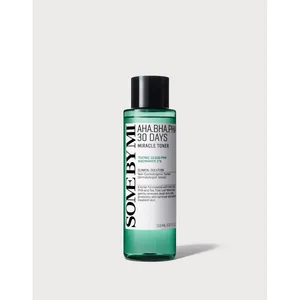 SOME BY MISOME BY MI AHA-BHA-PHA 30 Days Miracle Toner7.1
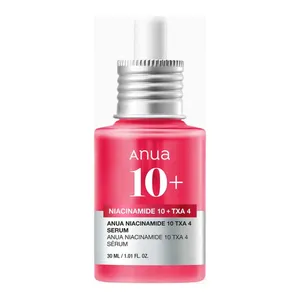 AnuaAnua Niacinamide 10 + TXA 4 Serum6.6
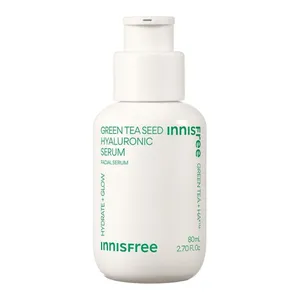 innisfreeinnisfree Green Tea Seed Hyaluronic Serum8.7
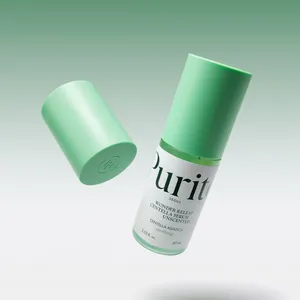 Purito SeoulPurito Seoul Wonder Releaf Centella Serum Unscented8.7
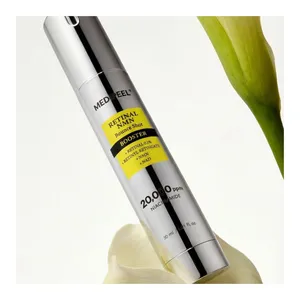 MEDI-PEELMEDI-PEEL Retinal NMN Bounce Shot Booster8.2