How to Boost Your Immunity: What Works and Which Tests
Reviewed by the LabReadAI medical team
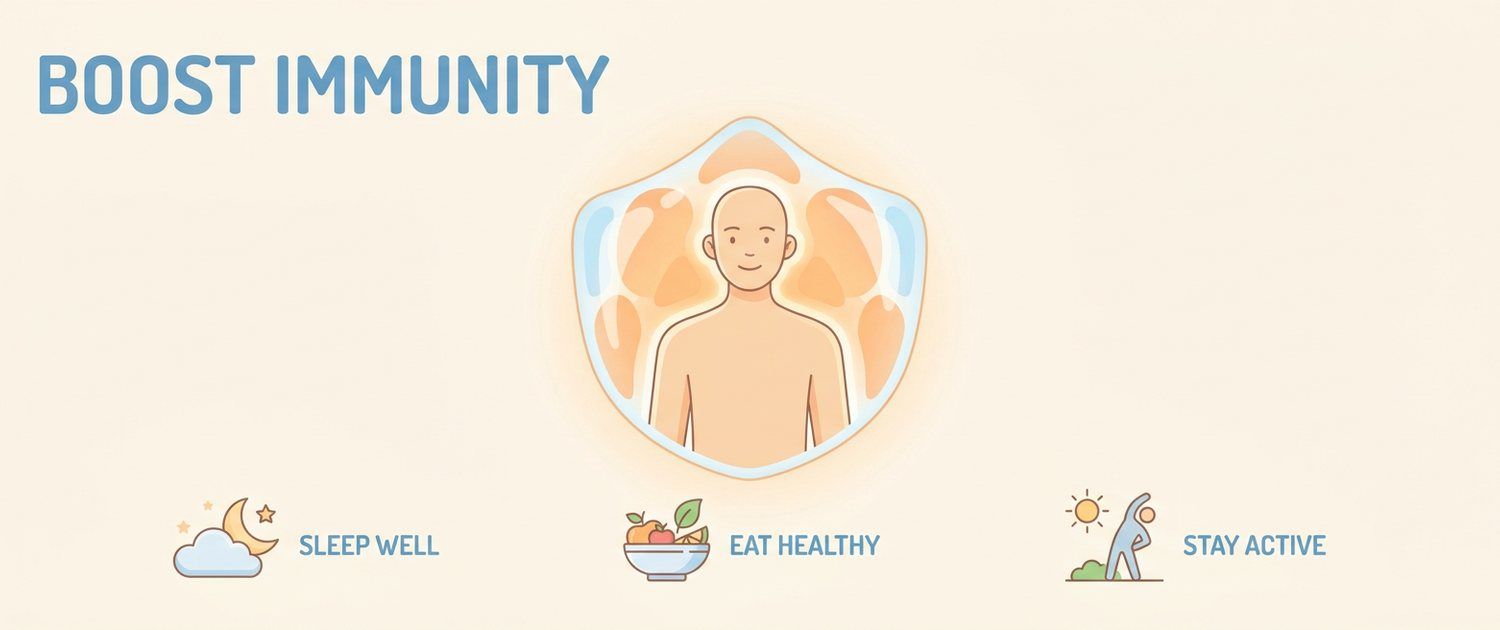
"How to boost immunity" is one of the most common searches, and a whole industry of supplements and "immunomodulators" is built on it. But the truth is there is no magic pill that "boosts immunity". There are, however, clear things that help the immune system work as it should, and situations where frequent illness is a reason for a work-up. Let's sort out, without myths, what really works.
What Immunity Is and Whether You Can "Boost" It
Immunity is a complex defense system, not a "level" you can raise with a single pill. In a healthy person it already works; the task is not to "stimulate" it but to avoid hindering it and to remove what weakens it. So it is more accurate to talk not of "boosting" but of "supporting" immunity.
What Really Strengthens Immunity
Simple things are proven to help: enough sleep, a varied diet with vegetables and protein, regular moderate physical activity, not smoking and avoiding excess alcohol, managing chronic stress and vaccination. It is boring, but it is exactly what works — unlike heavily advertised "stimulants".
Vitamins and Supplements: What Works and What Is a Myth
Vitamins and supplements help when there is a deficiency, not "for prevention in everyone". It makes sense to correct a deficiency confirmed by tests — for example vitamin D or iron. Taking high doses of vitamins "just in case" brings no benefit to healthy people and sometimes harms. Tests help understand which vitamins are lacking.
Immunomodulators: Are They Needed
Most "immunomodulators" and "antivirals for immunity" popular at the pharmacy have no convincing evidence of benefit in healthy people. Real immunotherapy exists, but these are narrow drugs for specific diseases prescribed by a doctor. "Taking an immunomodulator to prevent colds" is more marketing than medicine.
Weak Immunity: When to Be Concerned
Truly reduced immunity is rare, and it shows not as "two colds a winter" but as severe, frequent, unusual infections that respond poorly to treatment. Recurrent pneumonias, severe fungal infections and prolonged unexplained fever are concerning. In such cases you should not "boost immunity" but look for the cause with a doctor.
Frequent Colds in Adults: Causes
A few colds over the cold season is usually normal, especially for parents of young children. But if colds are very frequent and prolonged, it is worth checking factors that hinder immunity: deficiencies (iron, vitamin D), chronic stress and lack of sleep, uncontrolled diseases (diabetes, thyroid), smoking. This is often more productive than "stimulants".
Which Tests Check Immunity
Healthy people usually do not need "immunity tests". With frequent illness a doctor may order a basic work-up: a complete blood count, vitamin D, iron and glucose levels, and if indicated an immunogram and specific tests. The set is decided by a doctor. A confusing report can be uploaded for decoding.
When to See a Doctor
See a doctor for frequent, severe or unusual infections, a prolonged fever, marked weakness, and to sensibly check deficiencies instead of taking supplements at random. Do not "prescribe" immunomodulators to yourself. If you are unsure where to start, you can describe the situation.
A frequent companion of frequent illness in children is a lingering cough — the normal boundary is described in cough in children.
This article is for informational purposes only and does not replace a doctor's consultation. The set of tests and any medicines are chosen by a specialist.
For informational purposes only
This article is for informational purposes only and does not constitute medical advice, diagnosis, or treatment. Please consult a healthcare professional for medical guidance.