Magnesium Citrate, Chelate, Glycinate or B6: Choosing by the Label
Reviewed by the LabReadAI medical team
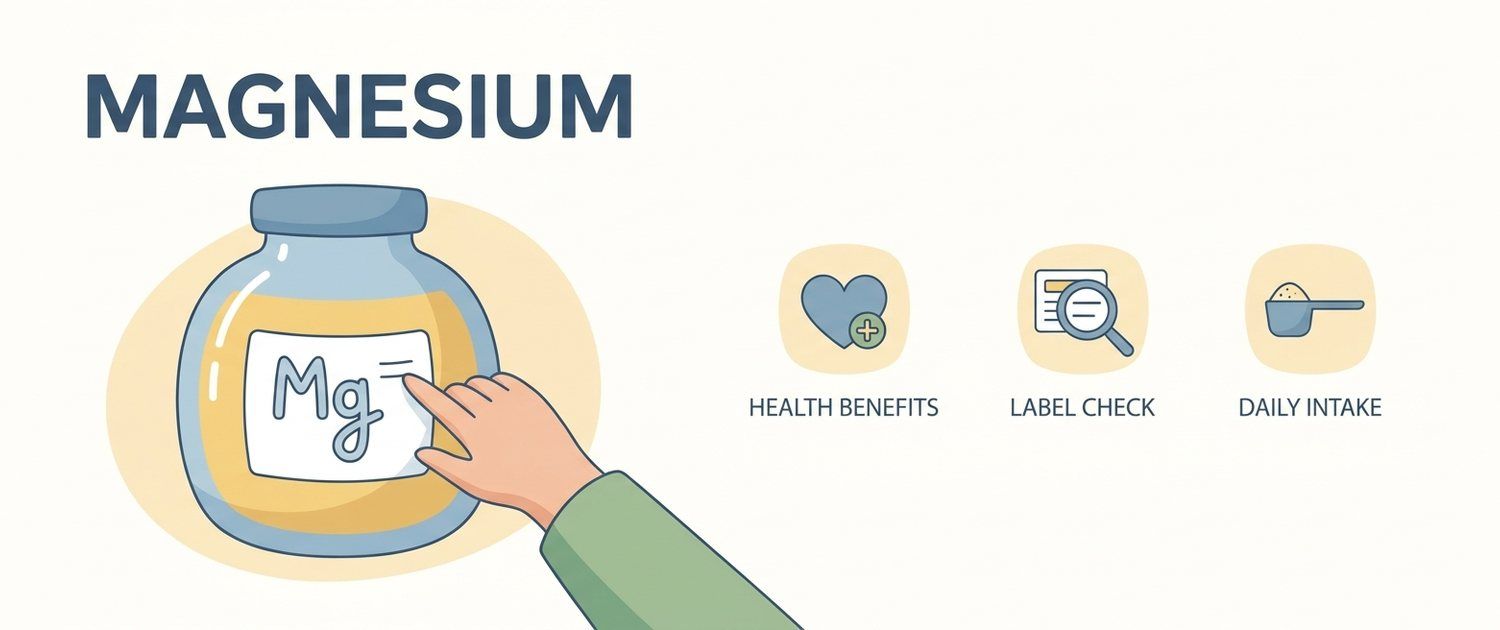
Magnesium on the shelf is a dozen form names and numbers that are easy to misread. «Magnesium 400 mg» on the front may mean 400 mg of the compound, of which actual magnesium is 60. Below is how to read a magnesium supplement label: how citrate, chelate (bisglycinate), malate, taurate and oxide differ, how much element each form gives per serving, what «magnesium B6» really means and how to compare products so that the cheap jar does not turn out to be the most expensive per milligram.
What magnesium is for, which complaints it is taken for and how to take it are covered in the article which magnesium to choose. This page is about the label only.
Magnesium citrate, bisglycinate chelate, malate, oxide: forms on the label
| Form on the label | Elemental magnesium | Absorption | Notes |
|---|---|---|---|
| Citrate | ~16 % | high | universal; loosens stools at higher doses |
| Bisglycinate (chelate, glycinate) | ~14 % | high | gentle on the gut; often taken in the evening |
| Malate | ~15 % | high | neutral; usually taken by day |
| Taurate | ~9 % | high | expensive; fewer human data |
| Lactate | ~12 % | good | common in pharmacy products |
| Oxide | ~60 % | low (~4 %) | cheapest; lots of element, little absorbed |
| Sulfate | ~10 % | low | a laxative, not for repletion |
Elemental share is a chemical constant of the compound; absorption figures come from comparative human studies: Firoz and Graber found magnesium oxide about 4 % bioavailable against ~30 % for citrate, chloride and lactate; Walker and colleagues found citrate more bioavailable than oxide and an amino-acid chelate at equal elemental doses.
Elemental magnesium per serving: how much it really gives
The first thing to find on the label is the words «elemental magnesium» or «as magnesium» and the number next to them. If the maker only writes «magnesium citrate 500 mg», the magnesium in it is ~80 mg. To calculate yourself, multiply the compound mass by the share from the table. For scale: 100 g of buckwheat has ~200 mg of magnesium, 30 g of pumpkin seeds ~160 mg.
The Russian reference intake for adults is 420 mg/day for men and 400 mg for women (MR 2.3.1.0253-21); a supplement usually covers 100–300 mg of that. The European agency EFSA set an upper safe level specifically for supplements — 250 mg of element per day on top of food: above that some people get diarrhoea, the only proven overdose effect with healthy kidneys.
«Magnesium B6» ingredients: what it is by the label
«Magnesium B6» is not a magnesium form but a combination with vitamin B6 (pyridoxine). Look at the first line of the ingredients: in the original pharmacy product it is citrate (the «forte» version) or lactate; in supplements under the same name it can be anything, oxide included. The B6 dose in such products is usually 5–10 mg against a requirement of 2 mg/day: not dangerous, but not a meaningful contribution either. Compare «magnesium B6» with other products by the same rule — milligrams of elemental magnesium per rouble.
What else to look at in the ingredients
- Magnesium's place in the list. Ingredients go in descending order of mass. If magnesium comes after microcrystalline cellulose, the tablet has more filler than active — normal for oxide (it is compact) and odd for citrate.
- Serving size. «200 mg» may be per 1 tablet or per 3. Count per serving and per jar.
- Excipients and coating. Cellulose, magnesium stearate, silicon dioxide are technological aids people often ask about, but they have no clinical significance at these amounts. Sugar, colourants and flavourings in chewable forms are a reason to compare with a plain tablet.
- Combinations. Magnesium and calcium in one tablet compete for absorption and are usually taken apart (how to read a calcium label — on the page on calcium by the label); magnesium with zinc and B6 in evening complexes is a common pairing. More in the article on vitamin compatibility.
- Registration. In Russia a supplement pack must carry a state registration certificate number (SGR), which lets you check the declared composition against the Rospotrebnadzor register.
Supplement comparison: price per 100 mg of magnesium
The only honest metric is the cost of 100 mg of elemental magnesium: divide the pack price by the number of servings, then by the mg of magnesium per serving, and multiply by 100. A 400 ₽ jar of 60 oxide tablets with 250 mg magnesium each and a 1 200 ₽ jar of 180 bisglycinate tablets with 100 mg each cost 27 ₽ and 67 ₽ per 100 mg respectively; adjusted for absorption (~4 % vs ~30 %), the cheap oxide is several times more expensive per milligram that actually reaches the blood.
Checklist before buying
- Find «elemental magnesium» — if absent, calculate from the form's share.
- Check which form comes first in the ingredients (especially for «magnesium B6» and «complexes»).
- Verify the serving: how many tablets and how many mg at a time.
- Calculate the price per 100 mg of element and compare with an alternative of the same form.
- If the goal is gentleness on the stomach, look for bisglycinate; for plain repletion — citrate; oxide only if budget matters more than absorption.
- With kidney disease discuss any magnesium supplement with a doctor: the kidneys are the only route for excess magnesium.
Is this magnesium right for you
The label answers whether a product is honest; it does not answer whether you need it. Blood magnesium reflects tissue stores poorly, so the decision is usually made by complaints, diet, other medicines and kidney function (creatinine). If you have a lab report, upload it: the service will match the form and dose to your picture and say plainly whether taking magnesium makes sense at all. How products are scored in this section is explained on the method page. Products with magnesium and their label score are in the catalogue.
Products with this nutrient in the catalogue
Full catalogue →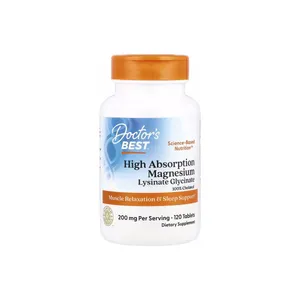
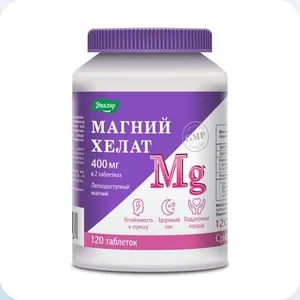
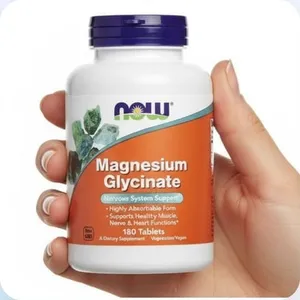

For informational purposes only
This article is for informational purposes only and does not constitute medical advice, diagnosis, or treatment. Please consult a healthcare professional for medical guidance.