Formula · 9.6
Brand · 7.9
La Roche-Posay · cream cleanser for sensitive skin · France
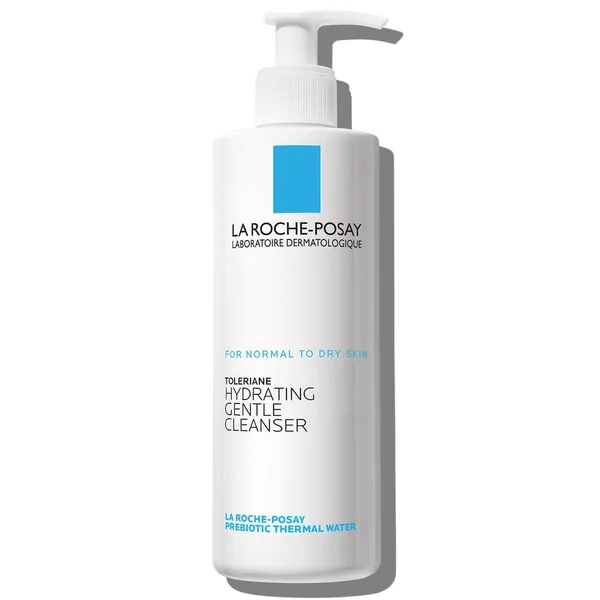
La Roche-Posay Toleriane Hydrating Gentle Cleanser
LabReadAI label score
How the score is calculated- Actives and evidence0.9Actives with strong evidence: 2 of 3
- Active concentration1.0After the 1 % line: panthenol (pro-vitamin b5) — the concentration is likely token
- Completeness for the purpose1.0For “hydration” — 97 %; below threshold: niacinamide (vitamin b3); a broad formula across 3 purposes
- Tolerance1.0No ingredients from irritant or allergen lists
- adults
- pregnancyallowed per the leaflet
- atopic skin
- dry skin
- children
- oily skin
- acne-prone
- babies
- sensitive skinat 10 % flushing is possible
- rosaceaask a dermatologist
Ingredients — 18 components, 3 of them active
The rest is the formula base: it holds texture, shelf life and application, and is not meant to act.
What works: 3 of 18 ingredients: ceramides, niacinamide, panthenol. Hydrating products draw water into the upper skin layer (glycerin, hyaluronate, panthenol, ectoin) — one humectant is enough. Without barrier ingredients (niacinamide, ceramides, oils) the effect does not last.
Strengths: actives and evidence, active concentration, completeness for the purpose, tolerance
Questions: no debatable ingredients in the formula
- Niacinamide (vitamin B3) + Ceramides — reinforce each otherniacinamide boosts the skin own ceramide production, added ceramides rebuild the barrier from outside
- Aqua/Water/Eau base: coating, fillers · water — the solvent and base; listed first because there is more of it than anything else; in supplements — part of the capsule shell
- Glycerin base: coating, fillers · a humectant: coats the tablet, holds moisture in creams and shampoos; does not clog pores
- Pentaerythrityl Tetraethylhexanoate base: coating, fillers · fills the gaps between skin flakes, so the surface feels smooth
- Propanediol base: coating, fillers · a humectant and solvent from corn sugar: it holds water and helps actives dissolve. A gentler replacement for propylene glycol.
- Ammonium Polyacryloyldimethyl Taurate base: coating, fillers · hold the texture: gels, creams and foam do not separate
- Polysorbate 60 base: coating, fillers · cleanse and bind water with oils; milder than the sulfate ones
- Ceramide NP works · the active ingredient — what the product is for; form: ceramides NP, AP, EOP
- Niacinamide works · the active ingredient — what the product is for; form: niacinamide
- Sodium Chloride base: coating, fillers · tune the acidity and texture; salt is a common shampoo thickener
- Coco-Betaine base: coating, fillers · an amphoteric surfactant from coconut oil: it cleanses and stabilises foam. Slightly harsher than cocamidopropyl betaine, yet clearly milder than the sulfates.
- Disodium EDTA base: coating, fillers · bind hard-water metals so the formula stays stable and the foam works
- Caprylyl Glycol base: coating, fillers · a humectant that also holds bacteria back, which is why it often replaces part of the preservative.
- Citric Acid base: coating, fillers · acidity regulator
- Trisodium Ethylenediamine Disuccinate base: coating, fillers · bind hard-water metals so the formula stays stable and the foam works
- Panthenol works · the active ingredient — what the product is for; form: panthenol
- Pentylene Glycol base: coating, fillers · humectants and solvents — hold water and help actives dissolve
- Ethylhexylglycerin base: coating, fillers · a preservative booster and skin-conditioning ingredient: it barely preserves on its own but helps phenoxyethanol work and lowers the amount needed.
- Tocopherol base: coating, fillers · vitamin E at hundredths of a percent: keeps the oils of the formula (a cream or a capsule fill) from going rancid; at that share it protects the product, it is not vitamin E as an active
- Chlorphenesin base: coating, fillers · a preservative, usually paired with phenoxyethanol. Permitted in the EU up to 0.3 %.
La Roche-Posay Toleriane Hydrating Gentle Cleanser is a product whose active ingredient is ceramides + niacinamide (vitamin b3) + panthenol (pro-vitamin b5). The concentration is not declared, but the active sits above the 1 % line in the list — a working share is likely. The effect is supported by studies: ceramides, niacinamide (vitamin b3). The effect is moderately supported: panthenol (pro-vitamin b5). The formula has 18 ingredients, 3 of which do the work; the rest is the formula base. Well-matched pairs in the formula: niacinamide (vitamin b3) + ceramides. Hydrating products draw water into the upper skin layer (glycerin, hyaluronate, panthenol, ectoin) — one humectant is enough. Without barrier ingredients (niacinamide, ceramides, oils) the effect does not last. By the list, no alcohol (alcohol denat), sulfates (SLS/SLES), formaldehyde releasers, isothiazolinones (MIT/MCI), parabens, mineral oils and petrolatum, soap, silicones, fragrance, gelatin in the coating, toning dyes, tar. Suitable for: adults, pregnancy, atopic skin, dry skin, children, oily skin, acne-prone, babies. sensitive skin, rosacea — ask a doctor. Use: on skin — morning and evening after cleansing; in shampoo and conditioner — at every wash. When to expect an effect: barrier, dryness — 2–4 weeks. Label score — 9.6 out of 10 (actives with strong evidence: 2 of 3; after the 1 % line: panthenol (pro-vitamin b5) — the concentration is likely token; for “hydration” — 97 %; below threshold: niacinamide (vitamin b3); a broad formula across 3 purposes).
Who it does not suit
When to stop: persistent burning — stop
Is this product right for your skin?
The score describes the formula, not your skin: the same product dries one person and saves another. Describe your skin type, reactions and goals, attach a photo of the ingredient list or the product — we will go through every ingredient and say whether it suits you, what to pair it with and what to avoid.
Similar products
Same nutrient and the same purpose — closest by form and dose. Each has its own score by the same method, so you can see whether there is an option nearby that is more honest or simpler in composition.
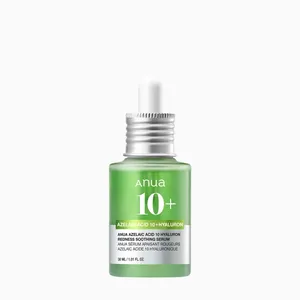 AnuaAnua Azelaic Acid 10 Hyaluron Redness Soothing Serum8.7
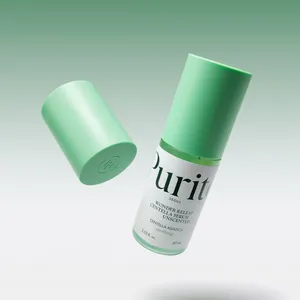 Purito SeoulPurito Seoul Wonder Releaf Centella Serum Unscented8.7
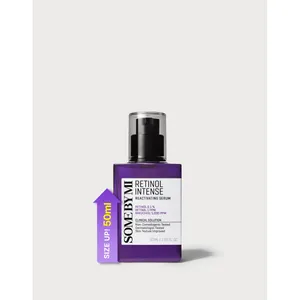 SOME BY MISOME BY MI Retinol Intense Reactivating Serum8.5
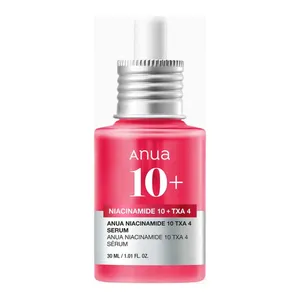 AnuaAnua Niacinamide 10 + TXA 4 Serum6.6
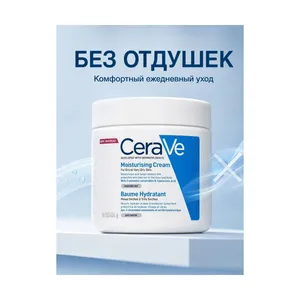 CeraVeCeraVe Moisturizing Cream9.6
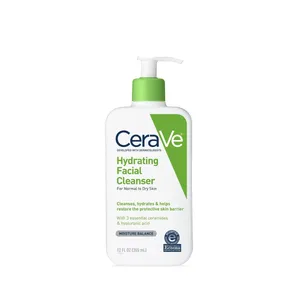 CeraVeCeraVe Hydrating Facial Cleanser8.8
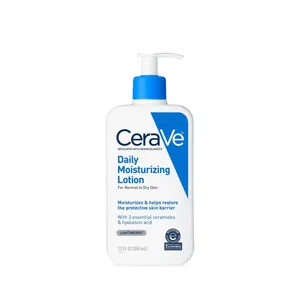 CeraVeCeraVe Daily Moisturizing Lotion7.5
 The ActThe Act Vitamin C Face Cream7.1