Formula · 8.5
Brand · 7.6
SOME BY MI · retinol 0.1% · South Korea
SOME BY MI Retinol Intense Reactivating Serum
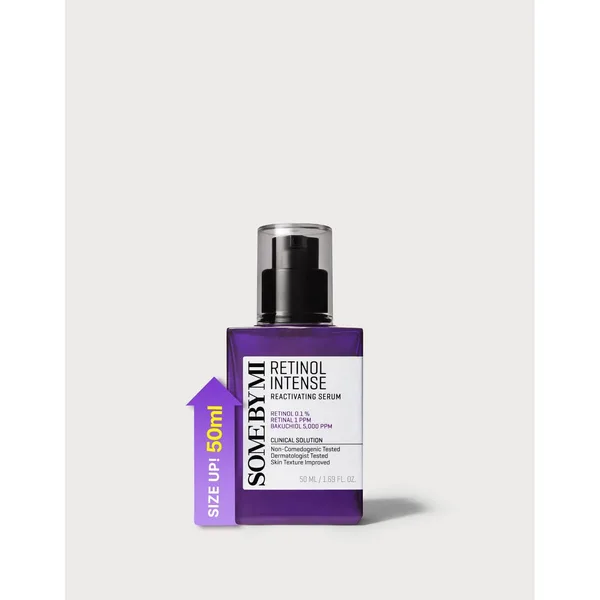
LabReadAI label score
How the score is calculated- Actives and evidence0.7Actives with strong evidence: 3 of 11
- Active concentration1.0After the 1 % line: signal peptides, resveratrol — the concentration is likely token
- Completeness for the purpose1.0For “wrinkles and firmness” — 100 %; without vitamin C, which guards against free radicals and is needed for collagen; glycolic acid; could be added without conflict: vitamin c; below threshold: niacinamide (vitamin b3), adenosine; a formula with one main purpose
- Tolerance0.8Debatable ingredient groups: BHT and BHA (antioxidants), fragrance and its allergens (skin test positive in 13 of 100 tested)
- adults
- oily skin
- dry skin
- children
- babies
- breastfeedingask a doctor
- sensitive skinstart low
- rosaceaask a dermatologist
- before sunSPF is a must in the daytime
- acne-pronemay clog pores in leave-on face products
- atopic skinfragrance is a common trigger
Ingredients — 55 components, 11 of them active
The rest is the formula base: it holds texture, shelf life and application, and is not meant to act.
What works: 11 of 55 ingredients: retinoid, niacinamide, bakuchiol and 8 more. Against wrinkles the proven actives are retinoids (or bakuchiol), vitamin C with antioxidants and acids: they speed up skin renewal and stimulate collagen. Peptides and hydration are an add-on that smooths for a while.
Strengths: active concentration, completeness for the purpose
What lowers the score: actives and evidence: actives with strong evidence: 3 of 11; tolerance: debatable ingredient groups: bht and bha, fragrance and its allergens
Questions: BHT and BHA (antioxidants): bht — antioxidants that keep oils from going rancid: hundredths of a percent in cosmetics, and E321 and E320 in supplements. A frequent buyer question, with no proven harm at these levels.; fragrance and its allergens: fragrance — the fragrance and its aromatic components; the EU requires 26 of them to be listed separately — matters to people allergic to fragrance, does not affect how the product works
- Retinoid + Niacinamide (vitamin B3) — reinforce each otherniacinamide strengthens the barrier and reduces retinoid irritation
- Ceramides + skin-identical components — reinforce each otherceramides with cholesterol and fatty acids restore the barrier better than alone
- Niacinamide (vitamin B3) + Ceramides — reinforce each otherniacinamide boosts the skin own ceramide production, added ceramides rebuild the barrier from outside
- Retinoid + Ceramides — reinforce each othera ceramide cream alongside a retinoid markedly reduces the dryness and flaking of the first weeks without blunting its effect
- Retinoid + Signal peptides — reinforce each othera retinoid and peptides act by different routes and do not interfere; reinforcement is shown in small studies
- Retinoid + Bakuchiol — reinforce each otherbakuchiol softens retinoid irritation with a similar action
- Water base: coating, fillers · water — the solvent and base; listed first because there is more of it than anything else; in supplements — part of the capsule shell
- Cyclohexasiloxane base: coating, fillers · form a smooth film and shine; inert and not absorbed — a preference question, not a safety one
- Dicaprylyl Carbonate base: coating, fillers · soften, condition and carry the actives; the backbone of the texture
- Glycerin base: coating, fillers · a humectant: coats the tablet, holds moisture in creams and shampoos; does not clog pores
- Methylpropanediol base: coating, fillers · dissolves the other ingredients and holds the formula together
- 1,2-Hexanediol base: coating, fillers · a solvent and humectant with antimicrobial action: it helps the product keep without classic preservatives.
- Niacinamide works · the active ingredient — what the product is for; form: niacinamide
- Hydrogenated Poly(C6-14 Olefin base: coating, fillers · fills the gaps between skin flakes, so the surface feels smooth
- Panthenol works · the active ingredient — what the product is for; form: panthenol
- Tocopheryl Acetate base: coating, fillers · vitamin E at hundredths of a percent: keeps the oils of the formula (a cream or a capsule fill) from going rancid; at that share it protects the product, it is not vitamin E as an active
- Piper Methysticum Leaf/Root/Stem Extract base: coating, fillers · plant and algae extracts and floral waters: flavouring and marketing components — at these shares there is no proven effect on the skin; rare reactions in people allergic to that particular plant
- Centella Asiatica Extract works · the active ingredient — what the product is for; form: madecassoside
- Panax Ginseng Berry Extract base: coating, fillers · plant and algae extracts and floral waters: flavouring and marketing components — at these shares there is no proven effect on the skin; rare reactions in people allergic to that particular plant
- Glycyrrhiza Glabra (Licorice) Root Extract works · the active ingredient — what the product is for; form: licorice root extract
- Ficus Carica (Fig) Fruit Extract base: coating, fillers · plant and algae extracts and floral waters: flavouring and marketing components — at these shares there is no proven effect on the skin; rare reactions in people allergic to that particular plant
- Centella Asiatica Leaf Extract works · the active ingredient — what the product is for; form: madecassoside
- Centella Asiatica Root Extract works · the active ingredient — what the product is for; form: madecassoside
- Melaleuca Alternifolia (Tea Tree) Leaf Extract base: coating, fillers · softens the skin and helps it hold water — the most common role in creams
- Artemisia Capillaris Extract base: coating, fillers · plant and algae extracts and floral waters: flavouring and marketing components — at these shares there is no proven effect on the skin; rare reactions in people allergic to that particular plant
- Eclipta Prostrata Extract base: coating, fillers · plant and algae extracts and floral waters: flavouring and marketing components — at these shares there is no proven effect on the skin; rare reactions in people allergic to that particular plant
- Melia Azadirachta Leaf Extract base: coating, fillers · plant and algae extracts and floral waters: flavouring and marketing components — at these shares there is no proven effect on the skin; rare reactions in people allergic to that particular plant
- Elaeis Guineensis (Palm) Oil base: coating, fillers · the plant base: emollient oils, waxes and care extracts
- Hydrogenated Lecithin base: coating, fillers · soften, condition and carry the actives; the backbone of the texture
- Glyceryl Stearate base: coating, fillers · the basic cream emulsifier (neutral NSE form); the self-emulsifying SE form with added potassium stearate is a separate entry, 3 of 5; does not clog pores
- Bakuchiol works · the active ingredient — what the product is for; form: bakuchiol
- Palmitic Acid base: coating, fillers · a fatty acid (C16), a thickener and soap component; rarely clogs pores in leave-on face products
- Sodium Polyacrylate label wording · an allergen (sodium (salt)) — matters when limiting salt, for example with blood pressure; the label says it is absent
- Stearic Acid base: coating, fillers · in tablets — a pressing lubricant, in creams — a thickener and soap component; rarely clogs pores in leave-on face products
- Xanthan Gum base: coating, fillers · hold the texture: gels, creams and foam do not separate
- Retinol (0.1% works · the active ingredient — what the product is for; form: retinol
- Acrylates/C10-30 Alkyl Acrylate Crosspolymer base: coating, fillers · hold the texture: gels, creams and foam do not separate
- Butylene Glycol base: coating, fillers · a humectant and solvent: it makes the texture lighter and helps actives spread. Better tolerated than propylene glycol.
- Dipotassium Glycyrrhizate works · the active ingredient — what the product is for; form: licorice root extract
- Adenosine works · the active ingredient — what the product is for; form: adenosine
- Tromethamine base: coating, fillers · tune the acidity and texture; salt is a common shampoo thickener
- Polyquaternium-51 base: coating, fillers · leaves a thin film on skin or hair
- Beta-Glucan works · the active ingredient — what the product is for; form: beta-glucan (oat, yeast)
- Cetyl Alcohol base: coating, fillers · a fatty alcohol, emulsifier and thickener; does not dry the skin — not “alcohol” in the everyday sense; rarely clogs pores
- BHT questions · antioxidants that keep oils from going rancid: hundredths of a percent in cosmetics, and E321 and E320 in supplements. A frequent buyer question, with no proven harm at these levels.
- Collagen base: coating, fillers · raises the water content of the skin
- Myristic Acid base: coating, fillers · a fatty acid (C14), gives dense foam in cleansers; may clog pores in leave-on face products
- BHA base: coating, fillers · keeps the oils in the formula from going rancid
- Leuconostoc/Radish Root Ferment Filtrate base: coating, fillers · skin-microbiome ferments, prebiotics and formula antioxidants
- Tocopherol base: coating, fillers · vitamin E at hundredths of a percent: keeps the oils of the formula (a cream or a capsule fill) from going rancid; at that share it protects the product, it is not vitamin E as an active
- Bifida Ferment Lysate base: coating, fillers · skin-microbiome ferments, prebiotics and formula antioxidants
- Ceramide NP works · the active ingredient — what the product is for; form: ceramides NP, AP, EOP
- Saccharomyces Ferment base: coating, fillers · skin-microbiome ferments, prebiotics and formula antioxidants
- Retinal works · the active ingredient — what the product is for; form: retinol
- Asiaticoside works · the active ingredient — what the product is for; form: madecassoside
- Glyceryl Polymethacrylate base: coating, fillers · makes the product thicker or thinner
- Madecassoside works · the active ingredient — what the product is for; form: madecassoside
- Propylene Glycol base: coating, fillers · humectants and solvents — hold water and help actives dissolve
- Polyglyceryl-10 Oleate base: coating, fillers · softens the skin and helps it hold water — the most common role in creams
- Glycolipids base: coating, fillers · softens the skin and helps it hold water — the most common role in creams
- Glycine Soja (Soybean) Peptide base: coating, fillers · the plant base: emollient oils, waxes and care extracts
- Resveratrol works · the active ingredient — what the product is for; form: resveratrol
- Sucrose Distearate base: coating, fillers · a mild sugar-based emulsifier; does not clog pores
- Asiatic Acid works · the active ingredient — what the product is for; form: madecassoside
- Madecassic Acid works · the active ingredient — what the product is for; form: madecassoside
- Palmitoyl Tripeptide-1 works · the active ingredient — what the product is for; form: palmitoyl tripeptide-1
- Moringa Oleifera Seed Oil base: coating, fillers · the plant base: emollient oils, waxes and care extracts
- PEG-100 Stearate base: coating, fillers · a highly ethoxylated emulsifier, the usual partner of glyceryl stearate; does not clog pores
- Polysorbate 20 base: coating, fillers · cleanse and bind water with oils; milder than the sulfate ones
- Fragrance questions · the fragrance and its aromatic components; the EU requires 26 of them to be listed separately — matters to people allergic to fragrance, does not affect how the product works
- Ethylhexylglycerin base: coating, fillers · a preservative booster and skin-conditioning ingredient: it barely preserves on its own but helps phenoxyethanol work and lowers the amount needed.
SOME BY MI Retinol Intense Reactivating Serum is a product whose active ingredient is retinoid + niacinamide (vitamin b3) + bakuchiol + adenosine at a declared 0.1 %. The effect is supported by studies: retinoid, niacinamide (vitamin b3), ceramides. The effect is moderately supported: bakuchiol, madecassoside (centella), panthenol (pro-vitamin b5). There is little evidence of effect: adenosine, beta-glucan, licorice extract, signal peptides, resveratrol. The formula has 55 ingredients, 11 of which do the work; the rest is the formula base. Worth noting: BHT (antioxidants that keep oils from going rancid: hundredths of a percent in cosmetics, and E321 and E320 in supplements. A frequent buyer question, with no proven harm at these levels.); Fragrance (the fragrance and its aromatic components; the EU requires 26 of them to be listed separately — matters to people allergic to fragrance, does not affect how the product works). Well-matched pairs in the formula: retinoid + niacinamide (vitamin b3); ceramides + skin-identical components; niacinamide (vitamin b3) + ceramides; retinoid + ceramides; retinoid + signal peptides; retinoid + bakuchiol. Against wrinkles the proven actives are retinoids (or bakuchiol), vitamin C with antioxidants and acids: they speed up skin renewal and stimulate collagen. Peptides and hydration are an add-on that smooths for a while. By the list, no alcohol (alcohol denat), sulfates (SLS/SLES), formaldehyde releasers, isothiazolinones (MIT/MCI), parabens, mineral oils and petrolatum, soap, gelatin in the coating, toning dyes, tar. Suitable for: adults, oily skin, dry skin, children, babies. breastfeeding, sensitive skin, rosacea, before sun, acne-prone, atopic skin — ask a doctor. pregnancy, fragrance allergy — not without a doctor. Use: at night; start twice a week, SPF in the daytime. When to expect an effect: wrinkles, tone — 8–12 weeks; acne — 6–8. Label score — 8.5 out of 10 (actives with strong evidence: 3 of 11; after the 1 % line: signal peptides, resveratrol — the concentration is likely token; debatable ingredient groups: bht and bha (antioxidants), fragrance and its allergens (skin test positive in 13 of 100 tested)). Retinoids are not used during pregnancy; sun protection is required in the daytime afterwards.
Who it does not suit
- pregnancydo not use
- fragrance allergyrisk of reaction
When to stop: strong burning, swelling — stop; persistent burning — stop; itching, rash — stop; itching, redness — stop
Per the maker's leaflet: Retinoids are not used during pregnancy; sun protection is required in the daytime afterwards.
Is this product right for your skin?
The score describes the formula, not your skin: the same product dries one person and saves another. Describe your skin type, reactions and goals, attach a photo of the ingredient list or the product — we will go through every ingredient and say whether it suits you, what to pair it with and what to avoid.
Similar products
Same nutrient and the same purpose — closest by form and dose. Each has its own score by the same method, so you can see whether there is an option nearby that is more honest or simpler in composition.
 Purito SeoulPurito Seoul Wonder Releaf Centella Serum Unscented8.7
 AnuaAnua Azelaic Acid 10 Hyaluron Redness Soothing Serum8.7
 MEDI-PEELMEDI-PEEL Retinal NMN Bounce Shot Booster8.2
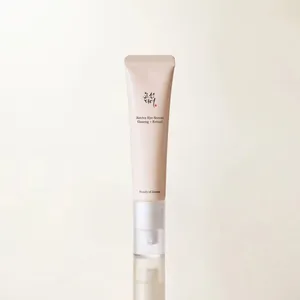 Beauty of JoseonBeauty of Joseon Revive Eye Serum: Ginseng + Retinal8.1
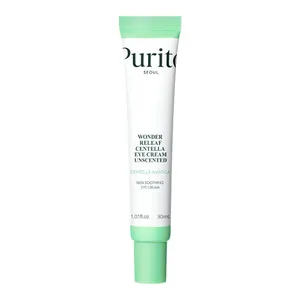 Purito SeoulPURITO Wonder Releaf Centella Eye Cream Unscented8.4
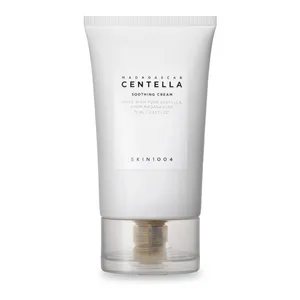 SKIN1004SKIN1004 Madagascar Centella Soothing Cream8.2
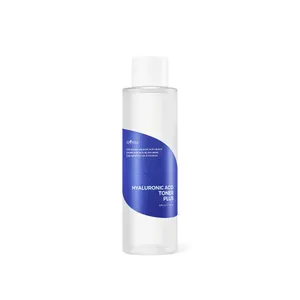 IsntreeIsntree Hyaluronic Acid Toner Plus7.4
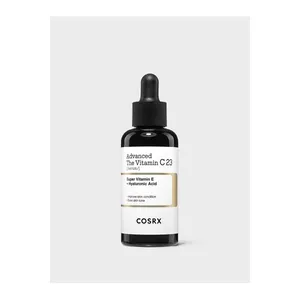 COSRXCOSRX The Vitamin C 23 Serum7.3