Formula · 7.3
Brand · 6.8
COSRX · ascorbic acid 23% · South Korea
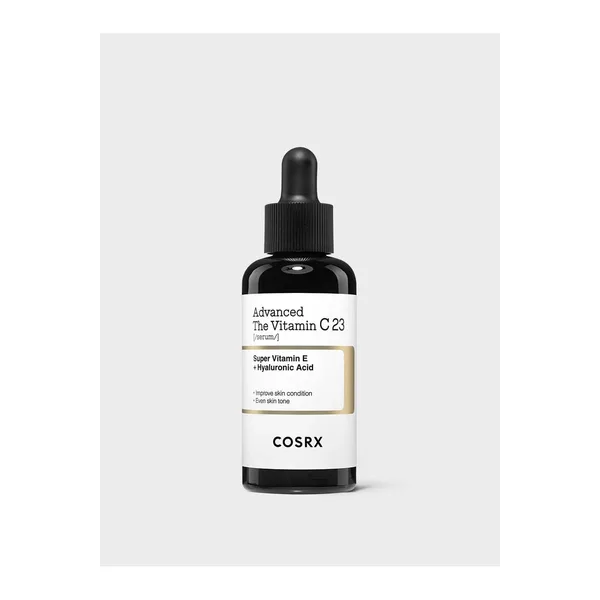
COSRX The Vitamin C 23 Serum
LabReadAI label score
How the score is calculated- Actives and evidence0.6Actives with strong evidence: 2 of 9
- Active concentration1.0After the 1 % line: niacinamide (vitamin b3), caffeine, licorice extract, camellia oil — the concentration is likely token
- Completeness for the purpose0.6For “dark spots and uneven tone” — 57 %; retinoid; glycolic acid; could be added without conflict: retinoid, glycolic acid; a broad formula across 7 purposes
- Tolerance0.9Above the tolerance threshold: Vitamin C — irritation more likely
- adults
- pregnancyallowed per the leaflet
- oily skin
- acne-prone
- dry skin
- atopic skin
- children
- babies
- sensitive skinstings at 15–20 %
- rosaceaask a dermatologist
Ingredients — 28 components, 9 of them active
The rest is the formula base: it holds texture, shelf life and application, and is not meant to act.
What works: 9 of 28 ingredients: vitamin c, niacinamide, squalane and 6 more. Against dark spots you need two fronts: actives that slow pigment production (azelaic and tranexamic acids, niacinamide, vitamin C, arbutin, thiamidol) and those that speed up skin renewal (a retinoid, acids). One active per front is enough; better both fronts and SPF in the daytime.
Strengths: active concentration, tolerance
What lowers the score: actives and evidence: actives with strong evidence: 2 of 9; completeness for the purpose: for “dark spots and uneven tone” — 57 %
Questions: no debatable ingredients in the formula
- Niacinamide (vitamin B3) + Vitamin C — reinforce each otherthe niacinamide–vitamin C “conflict” is a myth: conversion to nicotinic acid happens only with heat and long storage; in cosmetics they are compatible and both work against pigment
- Aqua/Water base: coating, fillers · water — the solvent and base; listed first because there is more of it than anything else; in supplements — part of the capsule shell
- Ascorbic Acid (23% works · the active ingredient — what the product is for; form: ascorbic acid
- Butylene Glycol base: coating, fillers · a humectant and solvent: it makes the texture lighter and helps actives spread. Better tolerated than propylene glycol.
- Dimethicone base: coating, fillers · form a smooth film and shine; inert and not absorbed — a preference question, not a safety one
- Panthenol works · the active ingredient — what the product is for; form: panthenol
- 3-O-Ethyl Ascorbic Acid works · the active ingredient — what the product is for; form: ascorbic acid
- Squalane works · the active ingredient — what the product is for; form: squalane (saturated, from olive or sugarcane)
- Sodium Hydroxide base: coating, fillers · tune the acidity and texture; salt is a common shampoo thickener
- Caffeine works · the active ingredient — what the product is for; form: caffeine
- Sodium Hyaluronate label wording · an allergen (sodium (salt)) — matters when limiting salt, for example with blood pressure; the label says it is absent
- Sodium Metaphosphate label wording · an allergen (sodium (salt)) — matters when limiting salt, for example with blood pressure; the label says it is absent
- Adenosine works · the active ingredient — what the product is for; form: adenosine
- Acetyl Glucosamine base: coating, fillers · softens the skin and helps it hold water — the most common role in creams
- Gardenia Florida Fruit Extract base: coating, fillers · softens the skin and helps it hold water — the most common role in creams
- Allantoin works · the active ingredient — what the product is for; form: allantoin
- Dextrin base: coating, fillers · a starch breakdown product: a filler, thickener and film former; does not act
- Tocotrienols base: coating, fillers · vitamin E at hundredths of a percent: keeps the oils of the formula (a cream or a capsule fill) from going rancid; at that share it protects the product, it is not vitamin E as an active
- Tocopherol base: coating, fillers · vitamin E at hundredths of a percent: keeps the oils of the formula (a cream or a capsule fill) from going rancid; at that share it protects the product, it is not vitamin E as an active
- Elaeis Guineensis (Palm) Oil base: coating, fillers · the plant base: emollient oils, waxes and care extracts
- Arginine base: coating, fillers · amino acids, lipids and sugars akin to the skin’s own components — support for its barrier
- Niacinamide works · the active ingredient — what the product is for; form: niacinamide
- Pentylene Glycol base: coating, fillers · humectants and solvents — hold water and help actives dissolve
- Glutathione base: coating, fillers · breaks chemical bonds — how perm products work
- Helianthus Annuus (Sunflower) Seed Oil base: coating, fillers · a light emollient oil rich in linoleic acid (in tablets — a coating component); does not clog pores
- Methyl Trimethicone base: coating, fillers · makes hair softer and easier to comb
- Carthamus Tinctorius (Safflower) Seed Oil base: coating, fillers · a light oil rich in linoleic acid; among the least comedogenic — does not clog pores
- Camellia Japonica Seed Oil works · the active ingredient — what the product is for; form: seed oil
- Daucus Carota Sativa (Carrot) Root Extract base: coating, fillers · softens the skin and helps it hold water — the most common role in creams
- Glycyrrhiza Glabra (Licorice) Root Extract works · the active ingredient — what the product is for; form: licorice root extract
- Beta-Carotene base: coating, fillers · softens the skin and helps it hold water — the most common role in creams
COSRX The Vitamin C 23 Serum is a product whose active ingredient is vitamin c + niacinamide (vitamin b3) + squalane + caffeine at a declared 23 %. The effect is supported by studies: vitamin c, niacinamide (vitamin b3). There is little evidence of effect: squalane, caffeine, adenosine, licorice extract, camellia oil. The effect is moderately supported: allantoin, panthenol (pro-vitamin b5). The formula has 28 ingredients, 9 of which do the work; the rest is the formula base. Well-matched pairs in the formula: niacinamide (vitamin b3) + vitamin c. Against dark spots you need two fronts: actives that slow pigment production (azelaic and tranexamic acids, niacinamide, vitamin C, arbutin, thiamidol) and those that speed up skin renewal (a retinoid, acids). One active per front is enough; better both fronts and SPF in the daytime. By the list, no alcohol (alcohol denat), sulfates (SLS/SLES), formaldehyde releasers, isothiazolinones (MIT/MCI), parabens, mineral oils and petrolatum, soap, fragrance, gelatin in the coating, toning dyes, tar. Suitable for: adults, pregnancy, oily skin, acne-prone, dry skin, atopic skin, children, babies. sensitive skin, rosacea — ask a doctor. Use: in the morning under SPF. When to expect an effect: tone, glow — 4–8 weeks. Label score — 7.3 out of 10 (actives with strong evidence: 2 of 9; after the 1 % line: niacinamide (vitamin b3), caffeine, licorice extract, camellia oil — the concentration is likely token; for “dark spots and uneven tone” — 57 %; retinoid; glycolic acid; could be added without conflict: retinoid, glycolic acid; a broad formula across 7 purposes; above the tolerance threshold: vitamin c — irritation more likely). The brand states: start with once-daily use; sun protection is required in the daytime afterwards. 23% is above the 10–20% range in which ascorbic acid has been studied: skin uptake does not grow above 20%, while stinging and redness become more common.
Who it does not suit
When to stop: persistent redness — stop; a darkened serum has oxidised; persistent burning — stop; new comedones — stop; itching, rash — stop
Per the maker's leaflet: The brand states: start with once-daily use; sun protection is required in the daytime afterwards. 23% is above the 10–20% range in which ascorbic acid has been studied: skin uptake does not grow above 20%, while stinging and redness become more common.
Is this product right for your skin?
The score describes the formula, not your skin: the same product dries one person and saves another. Describe your skin type, reactions and goals, attach a photo of the ingredient list or the product — we will go through every ingredient and say whether it suits you, what to pair it with and what to avoid.
Similar products
Same nutrient and the same purpose — closest by form and dose. Each has its own score by the same method, so you can see whether there is an option nearby that is more honest or simpler in composition.
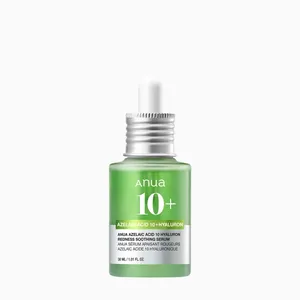 AnuaAnua Azelaic Acid 10 Hyaluron Redness Soothing Serum8.7
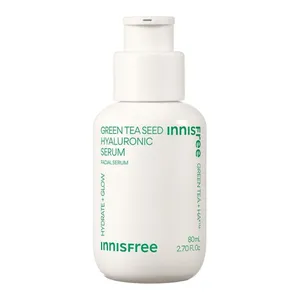 innisfreeinnisfree Green Tea Seed Hyaluronic Serum8.7
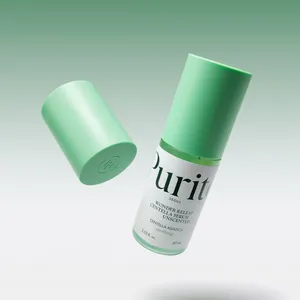 Purito SeoulPurito Seoul Wonder Releaf Centella Serum Unscented8.7
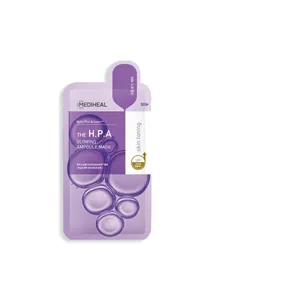 MEDIHEALMEDIHEAL Derma Ampoule Mask H.P.A8.6
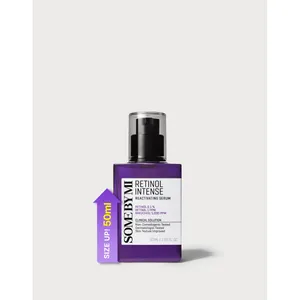 SOME BY MISOME BY MI Retinol Intense Reactivating Serum8.5
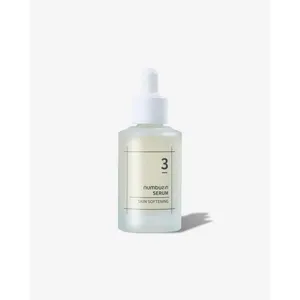 numbuzinnumbuzin No.3 Skin Softening Serum8.5
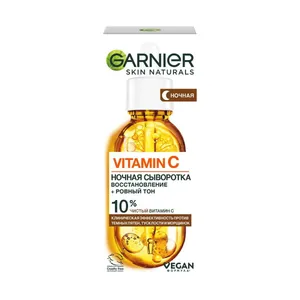 GarnierGarnier Vitamin C Night Serum7.7
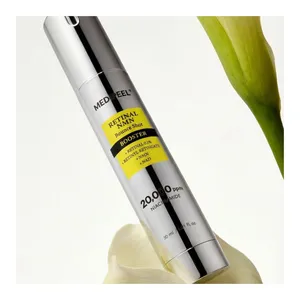 MEDI-PEELMEDI-PEEL Retinal NMN Bounce Shot Booster8.2