Formula · 4.3
Brand · 6.1
Librederm · kaolin, sulfur and niacinamide · Russia
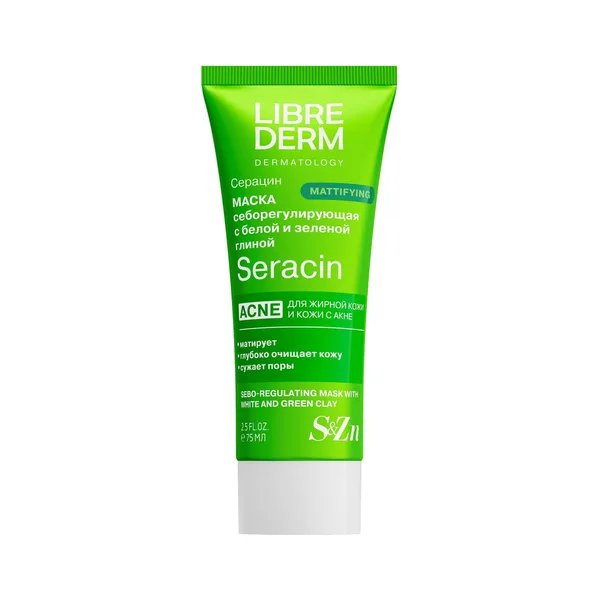
LIBREDERM Seracin sebum-regulating white and green clay mask
LabReadAI label score
How the score is calculated- Actives and evidence0.8Actives with strong evidence: 2 of 5
- Active concentration0.2After the 1 % line: sulfur, niacinamide (vitamin b3), glycolic acid — the concentration is likely token
- Completeness for the purpose0.3For “acne and blackheads” — 28 %; without a BHA (salicylic acid) that clears pores from inside; without a retinoid — the main tool against new plugs; could be added without conflict: salicylic acid (bha); below threshold: zinc pca, sulfur; a broad formula across 3 purposes
- Tolerance0.8Rinse-off product; debatable groups: fragrance and its allergens (skin test positive in 13 of 100 tested); use together with care: niacinamide (vitamin b3) + glycolic acid
- adults
- oily skin
- pregnancyfew data — ask a doctor
- acne-pronemay clog pores in leave-on face products
- dry skindrying — spot use only
- sensitive skinflaking and redness at a high share
- before sunSPF is a must in the daytime
- atopic skinfragrance is a common trigger
Ingredients — 40 components, 5 of them active
The rest is the formula base: it holds texture, shelf life and application, and is not meant to act.
What works: 5 of 40 ingredients: sulfur, niacinamide, zinc pca and 2 more. Acne products work on four fronts: dissolve plugs (acids), calm inflammation (azelaic acid, niacinamide, zinc), kill bacteria (benzoyl peroxide, tea tree) and prevent new plugs (a retinoid). One active per front is enough; two or three different fronts work noticeably better.
What lowers the score: actives and evidence: actives with strong evidence: 2 of 5; active concentration: after the 1 % line: sulfur, niacinamide, glycolic acid — the concentration is likely token; completeness for the purpose: for “acne and blackheads” — 28 %; tolerance: rinse-off product
Questions: fragrance and its allergens: fragrance — the fragrance and its aromatic components; the EU requires 26 of them to be listed separately — matters to people allergic to fragrance, does not affect how the product works
- Niacinamide (vitamin B3) + Glycolic acid — use together with careniacinamide needs a pH of 5 or above, glycolic acid about 3.5; in one product one of the two works worse — better to apply them at different times
- Niacinamide (vitamin B3) + Zinc PCA — reinforce each otherboth reduce sebum and inflammation — a classic pair for oily skin
- Aqua base: coating, fillers · water — the solvent and base; listed first because there is more of it than anything else; in supplements — part of the capsule shell
- Kaolin base: coating, fillers · white clay, absorbs oil in masks and powders; does not clog pores
- Stearic Acid base: coating, fillers · in tablets — a pressing lubricant, in creams — a thickener and soap component; rarely clogs pores in leave-on face products
- Glyceryl Stearate base: coating, fillers · the basic cream emulsifier (neutral NSE form); the self-emulsifying SE form with added potassium stearate is a separate entry, 3 of 5; does not clog pores
- Polyglyceryl-3 Methylglucose Distearate base: coating, fillers · keeps the water and oil parts from separating
- Illite base: coating, fillers · small particles scrub away dead cells by friction
- Vitis Vinifera Seed Oil base: coating, fillers · the plant base: emollient oils, waxes and care extracts
- Sesamum Indicum Oil base: coating, fillers · a nourishing emollient oil; may clog pores in leave-on face products
- Beta Vulgaris (Beet) Root Extract base: coating, fillers · gives colour to the product or the skin
- Hydrolyzed Corn Starch base: coating, fillers · filler and binder
- Ammonium Acryloyldimethyltaurate/VP Copolymer base: coating, fillers · makes the product thicker or thinner
- Allantoin works · the active ingredient — what the product is for; form: allantoin
- Sulfur works · the active ingredient — what the product is for; form: sulfur
- Niacinamide works · the active ingredient — what the product is for; form: niacinamide
- Calcium Pantothenate base: coating, fillers · makes hair softer and easier to comb
- Sodium Ascorbyl Phosphate label wording · an allergen (sodium (salt)) — matters when limiting salt, for example with blood pressure; the label says it is absent
- Tocopheryl Acetate base: coating, fillers · vitamin E at hundredths of a percent: keeps the oils of the formula (a cream or a capsule fill) from going rancid; at that share it protects the product, it is not vitamin E as an active
- Pyridoxine HCl base: coating, fillers · vitamin B6 in a trace dose; applied topically it does not reach the hair or follicle — a label line that does not change how the product works
- Maltodextrin base: coating, fillers · carbohydrate filler
- Sodium Starch Octenylsuccinate base: coating, fillers · hold the texture: gels, creams and foam do not separate
- Sisymbrium Officinale Extract base: coating, fillers · plant and algae extracts and floral waters: flavouring and marketing components — at these shares there is no proven effect on the skin; rare reactions in people allergic to that particular plant
- Arctium Lappa Root Extract base: coating, fillers · plant and algae extracts and floral waters: flavouring and marketing components — at these shares there is no proven effect on the skin; rare reactions in people allergic to that particular plant
- Zinc PCA works · the active ingredient — what the product is for; form: zinc PCA
- Xanthan Gum base: coating, fillers · hold the texture: gels, creams and foam do not separate
- Camellia Sinensis Leaf Extract base: coating, fillers · an ingredient from the European cosmetic ingredient inventory; what exactly it does in this product is not described here yet
- Aesculus Hippocastanum Extract base: coating, fillers · plant and algae extracts and floral waters: flavouring and marketing components — at these shares there is no proven effect on the skin; rare reactions in people allergic to that particular plant
- Sclerotium Gum base: coating, fillers · makes the product thicker or thinner
- Silica base: coating, fillers · tune the acidity and texture; salt is a common shampoo thickener
- PEG-30 Castor Oil base: coating, fillers · a thick oil, gives lipsticks gloss and balms body; the hydrogenated form is also 1 of 5; does not clog pores
- Parfum questions · the fragrance and its aromatic components; the EU requires 26 of them to be listed separately — matters to people allergic to fragrance, does not affect how the product works
- Glycine Soja (Soybean) Oil base: coating, fillers · the plant base: emollient oils, waxes and care extracts
- Tocopherol base: coating, fillers · vitamin E at hundredths of a percent: keeps the oils of the formula (a cream or a capsule fill) from going rancid; at that share it protects the product, it is not vitamin E as an active
- Betasitosterol base: coating, fillers · amino acids, lipids and sugars akin to the skin’s own components — support for its barrier
- Squalene base: coating, fillers · fills the gaps between skin flakes, so the surface feels smooth
- Phenoxyethanol base: coating, fillers · the most widespread cosmetic preservative: it keeps the product sterile. Permitted in the EU up to 1 %, recognised as safe at that level.
- Ethylhexylglycerin base: coating, fillers · a preservative booster and skin-conditioning ingredient: it barely preserves on its own but helps phenoxyethanol work and lowers the amount needed.
- Glycerin base: coating, fillers · a humectant: coats the tablet, holds moisture in creams and shampoos; does not clog pores
- Citric Acid base: coating, fillers · acidity regulator
- Glycolic Acid works · the active ingredient — what the product is for; form: AHA acid
- Tetrasodium EDTA base: coating, fillers · bind hard-water metals so the formula stays stable and the foam works
- Sodium Hydroxide base: coating, fillers · tune the acidity and texture; salt is a common shampoo thickener
LIBREDERM Seracin sebum-regulating white and green clay mask is a product whose active ingredient is sulfur + niacinamide (vitamin b3) + zinc pca + allantoin. The concentration is not declared and the active sits after the 1 % line — more for the label than for the effect. There is little evidence of effect: sulfur. The effect is supported by studies: niacinamide (vitamin b3), glycolic acid. The effect is moderately supported: zinc pca, allantoin. The formula has 40 ingredients, 5 of which do the work; the rest is the formula base. Worth noting: Parfum (the fragrance and its aromatic components; the EU requires 26 of them to be listed separately — matters to people allergic to fragrance, does not affect how the product works). Use together with care: niacinamide (vitamin b3) + glycolic acid. Well-matched pairs in the formula: niacinamide (vitamin b3) + zinc pca. Acne products work on four fronts: dissolve plugs (acids), calm inflammation (azelaic acid, niacinamide, zinc), kill bacteria (benzoyl peroxide, tea tree) and prevent new plugs (a retinoid). One active per front is enough; two or three different fronts work noticeably better. By the list, no alcohol (alcohol denat), sulfates (SLS/SLES), formaldehyde releasers, isothiazolinones (MIT/MCI), parabens, mineral oils and petrolatum, soap, silicones, gelatin in the coating, toning dyes, tar. Suitable for: adults, oily skin. pregnancy, acne-prone, dry skin, sensitive skin, before sun, atopic skin — ask a doctor. rosacea, eczema, children, fragrance allergy — not without a doctor. Use: in the evening, as a spot treatment or a 10–15 minute mask. When to expect an effect: drying of spots — days; acne overall — 4–8 weeks. Label score — 4.3 out of 10 (actives with strong evidence: 2 of 5; after the 1 % line: sulfur, niacinamide (vitamin b3), glycolic acid — the concentration is likely token; for “acne and blackheads” — 28 %; without a bha (salicylic acid) that clears pores from inside; without a retinoid — the main tool against new plugs; could be added without conflict: salicylic acid (bha); below threshold: zinc pca, sulfur; a broad formula across 3 purposes; rinse-off product; debatable groups: fragrance and its allergens (skin test positive in 13 of 100 tested); use together with care: niacinamide (vitamin b3) + glycolic acid). Sulfur dries and the clays with glycolic acid lift the dead cell layer: on dry or sensitive skin keep the mask on for less time and use it less often. Fragrance is present.
Who it does not suit
- rosacea, eczemanot on inflamed skin
- childrenonly if prescribed
- fragrance allergyrisk of reaction
When to stop: burning, persistent redness — stop; persistent burning — stop; tightness, flaking — use less often or stop; burning, persistent redness — stop; do not use the same evening as a retinoid
Per the maker's leaflet: Sulfur dries and the clays with glycolic acid lift the dead cell layer: on dry or sensitive skin keep the mask on for less time and use it less often. Fragrance is present.
Is this product right for your skin?
The score describes the formula, not your skin: the same product dries one person and saves another. Describe your skin type, reactions and goals, attach a photo of the ingredient list or the product — we will go through every ingredient and say whether it suits you, what to pair it with and what to avoid.
Similar products
Same nutrient and the same purpose — closest by form and dose. Each has its own score by the same method, so you can see whether there is an option nearby that is more honest or simpler in composition.
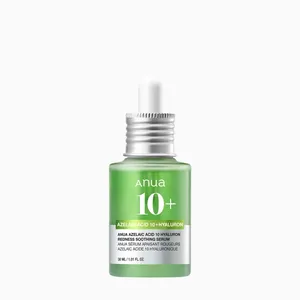 AnuaAnua Azelaic Acid 10 Hyaluron Redness Soothing Serum8.7
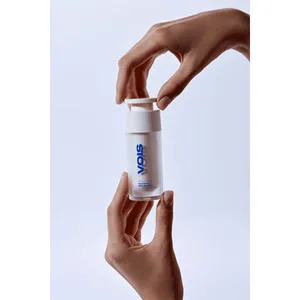 VOISVOIS Blemish Control Serum8.7
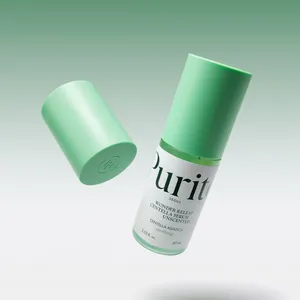 Purito SeoulPurito Seoul Wonder Releaf Centella Serum Unscented8.7
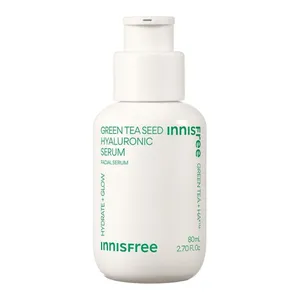 innisfreeinnisfree Green Tea Seed Hyaluronic Serum8.7
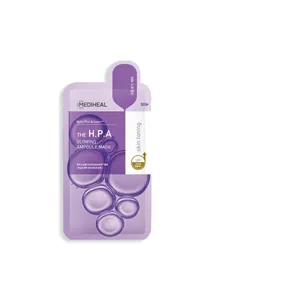 MEDIHEALMEDIHEAL Derma Ampoule Mask H.P.A8.6
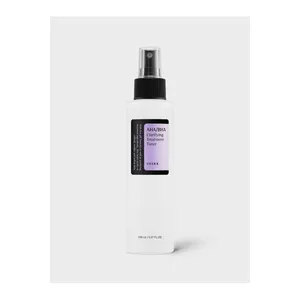 COSRXCOSRX AHA/BHA Clarifying Treatment Toner8.0
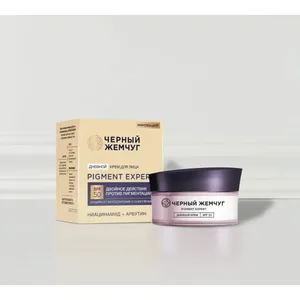 Чёрный жемчугBlack Pearl PIGMENT EXPERT Day Cream SPF 507.6
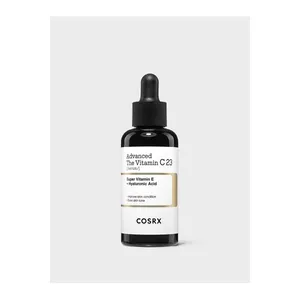 COSRXCOSRX The Vitamin C 23 Serum7.3