Formula · 7.2
Brand · 7.6
SOME BY MI · gel cleanser, 1% panthenol · South Korea
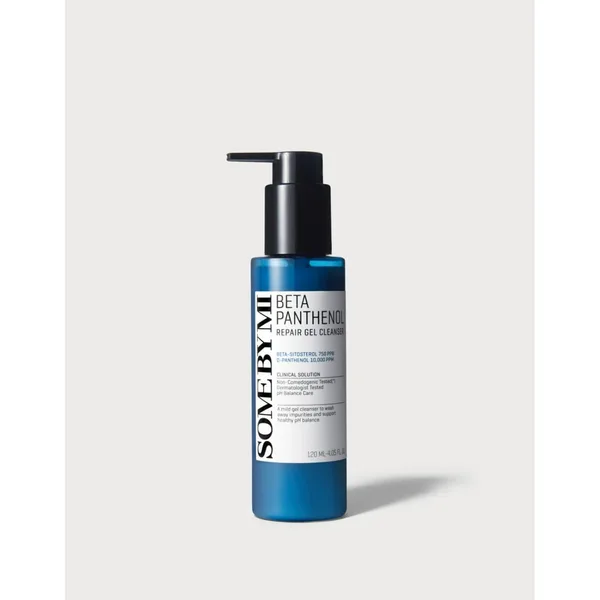
SOME BY MI Beta Panthenol Repair Gel Cleanser
LabReadAI label score
How the score is calculated- Actives and evidence0.8Actives with strong evidence: 0 of 2
- Active concentration0.8After the 1 % line: gluconolactone (pha) — the concentration is likely token
- Completeness for the purpose0.6For “dryness and a damaged barrier” — 58 %; without petrolatum or mineral oil, which seal moisture; a broad formula across 6 purposes
- Tolerance1.0No ingredients from irritant or allergen lists
- adults
- children
- babies
- atopic skin
- acne-prone
- dry skin
- pregnancyfew safety data — ask a doctor
- sensitive skinirritation possible
- rosaceatolerated better than AHAs, but start low
Ingredients — 52 components, 2 of them active
The rest is the formula base: it holds texture, shelf life and application, and is not meant to act.
What works: 2 of 52 ingredients: panthenol, gluconolactone. Dry skin needs three things at once: draw water in (glycerin, hyaluronate), rebuild the barrier (ceramides with cholesterol, panthenol) and seal moisture with a film (petrolatum, oils). One of the three is half the job.
Strengths: tolerance
What lowers the score: actives and evidence: actives with strong evidence: 0 of 2; active concentration: after the 1 % line: gluconolactone — the concentration is likely token; completeness for the purpose: for “dryness and a damaged barrier” — 58 %
Questions: no debatable ingredients in the formula
- Water (Aqua base: coating, fillers · water — the solvent and base; listed first because there is more of it than anything else; in supplements — part of the capsule shell
- Sodium Cocoyl Isethionate base: coating, fillers · a mild surfactant and the base of syndet bars: it cleanses at a skin-close acidity, unlike soap. The foam is dense and creamy.
- Sodium Methyl Cocoyl Taurate base: coating, fillers · a mild taurine-based surfactant: thick foam and good tolerance even in facial cleansers.
- Glycerin base: coating, fillers · a humectant: coats the tablet, holds moisture in creams and shampoos; does not clog pores
- Dipropylene Glycol base: coating, fillers · humectants and solvents — hold water and help actives dissolve
- Coco-Betaine base: coating, fillers · an amphoteric surfactant from coconut oil: it cleanses and stabilises foam. Slightly harsher than cocamidopropyl betaine, yet clearly milder than the sulfates.
- Lauryl Hydroxysultaine base: coating, fillers · washes oil and dirt off skin or hair
- Panthenol (10,000 ppm works · the active ingredient — what the product is for; form: panthenol
- 1,2-Hexanediol base: coating, fillers · a solvent and humectant with antimicrobial action: it helps the product keep without classic preservatives.
- Glyceryl Stearate base: coating, fillers · the basic cream emulsifier (neutral NSE form); the self-emulsifying SE form with added potassium stearate is a separate entry, 3 of 5; does not clog pores
- Sodium Chloride base: coating, fillers · tune the acidity and texture; salt is a common shampoo thickener
- Propylene Glycol Laurate base: coating, fillers · humectants and solvents — hold water and help actives dissolve
- Polyglyceryl-3 Methylglucose Distearate base: coating, fillers · keeps the water and oil parts from separating
- Glycol Distearate base: coating, fillers · humectants and solvents — hold water and help actives dissolve
- Musa Sapientum (Banana) Fruit Extract base: coating, fillers · softens the skin and helps it hold water — the most common role in creams
- Rosa Damascena Flower Water base: coating, fillers · plant and algae extracts and floral waters: flavouring and marketing components — at these shares there is no proven effect on the skin; rare reactions in people allergic to that particular plant
- Polyquaternium-67 base: coating, fillers · makes hair softer and easier to comb
- Pyrus Communis (Pear) Fruit Extract base: coating, fillers · plant and algae extracts and floral waters: flavouring and marketing components — at these shares there is no proven effect on the skin; rare reactions in people allergic to that particular plant
- Prunus Domestica Fruit Extract base: coating, fillers · plant and algae extracts and floral waters: flavouring and marketing components — at these shares there is no proven effect on the skin; rare reactions in people allergic to that particular plant
- Citric Acid base: coating, fillers · acidity regulator
- Ethylhexylglycerin base: coating, fillers · a preservative booster and skin-conditioning ingredient: it barely preserves on its own but helps phenoxyethanol work and lowers the amount needed.
- Cucumis Melo (Melon) Fruit Extract base: coating, fillers · plant and algae extracts and floral waters: flavouring and marketing components — at these shares there is no proven effect on the skin; rare reactions in people allergic to that particular plant
- Disodium EDTA base: coating, fillers · bind hard-water metals so the formula stays stable and the foam works
- Hedera Helix (Ivy) Leaf/Stem Extract base: coating, fillers · plant and algae extracts and floral waters: flavouring and marketing components — at these shares there is no proven effect on the skin; rare reactions in people allergic to that particular plant
- Gluconolactone works · the active ingredient — what the product is for; form: gluconolactone (PHA)
- Sea Water base: coating, fillers · water — the solvent and base; listed first because there is more of it than anything else; in supplements — part of the capsule shell
- Propanediol base: coating, fillers · a humectant and solvent from corn sugar: it holds water and helps actives dissolve. A gentler replacement for propylene glycol.
- Sodium Acetate label wording · an allergen (sodium (salt)) — matters when limiting salt, for example with blood pressure; the label says it is absent
- Arginine base: coating, fillers · amino acids, lipids and sugars akin to the skin’s own components — support for its barrier
- Hydrogenated Lecithin base: coating, fillers · soften, condition and carry the actives; the backbone of the texture
- Sorbitan Olivate base: coating, fillers · keeps the water and oil parts from separating
- Cetearyl Olivate base: coating, fillers · makes hair softer and easier to comb
- Beta-Sitosterol (750 ppb base: coating, fillers · helps the water-and-oil mix stay together in storage
- Lactococcus Ferment Lysate base: coating, fillers · softens the skin and helps it hold water — the most common role in creams
- Bifida Ferment Lysate base: coating, fillers · skin-microbiome ferments, prebiotics and formula antioxidants
- Lactobacillus Ferment Lysate base: coating, fillers · skin-microbiome ferments, prebiotics and formula antioxidants
- Phytosterols base: coating, fillers · softens the skin and helps it hold water — the most common role in creams
- Tocopherol base: coating, fillers · vitamin E at hundredths of a percent: keeps the oils of the formula (a cream or a capsule fill) from going rancid; at that share it protects the product, it is not vitamin E as an active
- Glycine base: coating, fillers · amino acids, lipids and sugars akin to the skin’s own components — support for its barrier
- Serine base: coating, fillers · amino acids, lipids and sugars akin to the skin’s own components — support for its barrier
- Glutamic Acid base: coating, fillers · amino acids and PCA — substances the skin itself keeps in the outer layer to hold water; in a product they are humectants copying its own set
- Aspartic Acid base: coating, fillers · amino acids, lipids and sugars akin to the skin’s own components — support for its barrier
- Leucine base: coating, fillers · makes hair softer and easier to comb
- Alanine base: coating, fillers · amino acids, lipids and sugars akin to the skin’s own components — support for its barrier
- Lysine base: coating, fillers · makes hair softer and easier to comb
- Tyrosine base: coating, fillers · makes hair softer and easier to comb
- Phenylalanine base: coating, fillers · amino acids, lipids and sugars akin to the skin’s own components — support for its barrier
- Valine base: coating, fillers · amino acids, lipids and sugars akin to the skin’s own components — support for its barrier
- Threonine base: coating, fillers · amino acids, lipids and sugars akin to the skin’s own components — support for its barrier
- Proline base: coating, fillers · amino acids, lipids and sugars akin to the skin’s own components — support for its barrier
- Isoleucine base: coating, fillers · amino acids, lipids and sugars akin to the skin’s own components — support for its barrier
- Histidine base: coating, fillers · amino acids, lipids and sugars akin to the skin’s own components — support for its barrier
- Methionine base: coating, fillers · makes hair softer and easier to comb
- Cysteine base: coating, fillers · rebuilds the bonds inside the hair to curl or straighten it
SOME BY MI Beta Panthenol Repair Gel Cleanser is a product whose active ingredient is panthenol (pro-vitamin b5) + gluconolactone (pha) at a declared 1 %. The effect is moderately supported: panthenol (pro-vitamin b5), gluconolactone (pha). The formula has 52 ingredients, 2 of which do the work; the rest is the formula base. Dry skin needs three things at once: draw water in (glycerin, hyaluronate), rebuild the barrier (ceramides with cholesterol, panthenol) and seal moisture with a film (petrolatum, oils). One of the three is half the job. By the list, no alcohol (alcohol denat), sulfates (SLS/SLES), formaldehyde releasers, isothiazolinones (MIT/MCI), parabens, mineral oils and petrolatum, soap, silicones, fragrance, gelatin in the coating, toning dyes, tar. Suitable for: adults, children, babies, atopic skin, acne-prone, dry skin. pregnancy, sensitive skin, rosacea — ask a doctor. Use: any time, can be applied often. When to expect an effect: soothing — days; barrier — 2–4 weeks. Label score — 7.2 out of 10 (actives with strong evidence: 0 of 2; after the 1 % line: gluconolactone (pha) — the concentration is likely token; for “dryness and a damaged barrier” — 58 %; without petrolatum or mineral oil, which seal moisture; a broad formula across 6 purposes).
Who it does not suit
When to stop: burning, persistent redness — stop
Is this product right for your skin?
The score describes the formula, not your skin: the same product dries one person and saves another. Describe your skin type, reactions and goals, attach a photo of the ingredient list or the product — we will go through every ingredient and say whether it suits you, what to pair it with and what to avoid.
Similar products
Same nutrient and the same purpose — closest by form and dose. Each has its own score by the same method, so you can see whether there is an option nearby that is more honest or simpler in composition.
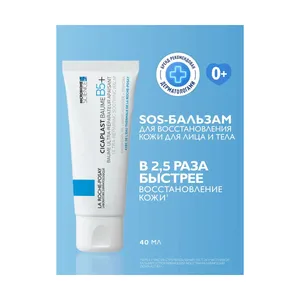 La Roche-PosayLa Roche-Posay Cicaplast Baume B5+8.3
 Round LabRound Lab 1025 Dokdo Toner8.2
 VOISVOIS Facial Foam with Hyaluronic Acid7.9
 NIVEANIVEA Creme7.9
 CELIMAXCELIMAX Dual Barrier Creamy Toner7.7
 essenceessence hello, good stuff! 48h Hydrating Serum Stick7.6
 CetaphilCetaphil Moisturizing Lotion6.8
 MEDIHEALMEDIHEAL Derma Ampoule Mask H.P.A8.6