Formula · 7.9
Brand · 6.7
NIVEA · panthenol in a rich base · Germany
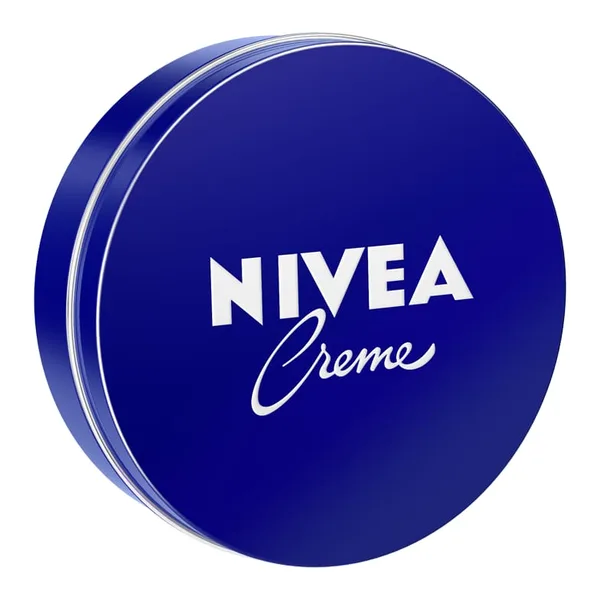
NIVEA Creme
LabReadAI label score
How the score is calculated- Actives and evidence0.8Effect moderately supported
- Active concentration1.0The active sits above the 1 % line — by list order a working concentration is 100 % likely
- Completeness for the purpose0.7For “dryness and a damaged barrier” — 67 %; without ceramides — the bricks of the barrier; could be added without conflict: ceramides; a broad formula across 6 purposes
- Tolerance0.8Debatable ingredient groups: fragrance and its allergens (skin test positive in 13 of 100 tested); comedogenic ingredients at a notable share (may clog pores): decyl oleate
- adults
- pregnancyallowed per the leaflet
- children
- babies
- sensitive skinlanolin allergy is possible
- atopic skinfragrance is a common trigger
- acne-pronemay clog pores in leave-on face products
Ingredients — 20 components, 1 of them active
The rest is the formula base: it holds texture, shelf life and application, and is not meant to act.
What works: 1 of 20 ingredients: panthenol. Dry skin needs three things at once: draw water in (glycerin, hyaluronate), rebuild the barrier (ceramides with cholesterol, panthenol) and seal moisture with a film (petrolatum, oils). One of the three is half the job.
Strengths: active concentration
What lowers the score: actives and evidence: effect moderately supported; completeness for the purpose: for “dryness and a damaged barrier” — 67 %; tolerance: debatable ingredient groups: fragrance and its allergens
Questions: fragrance and its allergens: limonene, geraniol, hydroxycitronellal, linalool, citronellol, benzyl benzoate, cinnamyl alcohol, fragrance — the fragrance and its aromatic components; the EU requires 26 of them to be listed separately — matters to people allergic to fragrance, does not affect how the product works
- Aqua base: coating, fillers · water — the solvent and base; listed first because there is more of it than anything else; in supplements — part of the capsule shell
- Paraffinum Liquidum base: coating, fillers · purified cosmetic-grade petroleum products: form a protective barrier film; safety is established, a preference question; 0–2 of 5 (depends on the raw-material source), cosmetic white oil per DiNardo (2005) is non-comedogenic
- Cera Microcristallina base: coating, fillers · purified cosmetic-grade petroleum products: form a protective barrier film; safety is established, a preference question; 0–2 of 5 (depends on the raw-material source), cosmetic white oil per DiNardo (2005) is non-comedogenic
- Glycerin base: coating, fillers · a humectant: coats the tablet, holds moisture in creams and shampoos; does not clog pores
- Lanolin Alcohol (Eucerit base: coating, fillers · a lanolin fraction, emulsifier and softener; the main culprit in lanolin allergy; rarely clogs pores in leave-on face products
- Paraffin base: coating, fillers · purified cosmetic-grade petroleum products: form a protective barrier film; safety is established, a preference question; 0–2 of 5 (depends on the raw-material source), cosmetic white oil per DiNardo (2005) is non-comedogenic
- Panthenol works · the active ingredient — what the product is for; form: panthenol
- Magnesium Sulfate base: coating, fillers · tune the acidity and texture; salt is a common shampoo thickener
- Decyl Oleate base: coating, fillers · emollient/base; may clog pores in leave-on face products
- Octyldodecanol base: coating, fillers · a branched fatty-alcohol emollient: softens, gives slip and dissolves oil-soluble components; not “alcohol” in the everyday sense, does not dry the skin
- Aluminum Stearates base: coating, fillers · soften, condition and carry the actives; the backbone of the texture
- Citric Acid base: coating, fillers · acidity regulator
- Magnesium Stearate base: coating, fillers · tablet-pressing lubricant; contains negligible magnesium, not counted as the element; in powders — a slip agent; does not clog pores
- Limonene questions · the fragrance and its aromatic components; the EU requires 26 of them to be listed separately — matters to people allergic to fragrance, does not affect how the product works
- Geraniol questions · the fragrance and its aromatic components; the EU requires 26 of them to be listed separately — matters to people allergic to fragrance, does not affect how the product works
- Hydroxycitronellal questions · the fragrance and its aromatic components; the EU requires 26 of them to be listed separately — matters to people allergic to fragrance, does not affect how the product works
- Linalool questions · the fragrance and its aromatic components; the EU requires 26 of them to be listed separately — matters to people allergic to fragrance, does not affect how the product works
- Citronellol questions · the fragrance and its aromatic components; the EU requires 26 of them to be listed separately — matters to people allergic to fragrance, does not affect how the product works
- Benzyl Benzoate questions · the fragrance and its aromatic components; the EU requires 26 of them to be listed separately — matters to people allergic to fragrance, does not affect how the product works
- Cinnamyl Alcohol questions · the fragrance and its aromatic components; the EU requires 26 of them to be listed separately — matters to people allergic to fragrance, does not affect how the product works
- Parfum questions · the fragrance and its aromatic components; the EU requires 26 of them to be listed separately — matters to people allergic to fragrance, does not affect how the product works
NIVEA Creme is a product whose active ingredient is panthenol (pro-vitamin b5). The concentration is not declared, but the active sits above the 1 % line in the list — a working share is likely. The effect is moderately supported: 1–5 %: soothes, speeds up skin recovery and holds moisture. The formula has 20 ingredients, 1 of which does the work; the rest is the formula base. Worth noting: Limonene, Geraniol, Hydroxycitronellal, Linalool, Citronellol, Benzyl Benzoate, Cinnamyl Alcohol, Parfum (the fragrance and its aromatic components; the EU requires 26 of them to be listed separately — matters to people allergic to fragrance, does not affect how the product works). Dry skin needs three things at once: draw water in (glycerin, hyaluronate), rebuild the barrier (ceramides with cholesterol, panthenol) and seal moisture with a film (petrolatum, oils). One of the three is half the job. By the list, no alcohol (alcohol denat), sulfates (SLS/SLES), formaldehyde releasers, isothiazolinones (MIT/MCI), parabens, soap, silicones, gelatin in the coating, toning dyes, tar. Suitable for: adults, pregnancy, children, babies. sensitive skin, atopic skin, acne-prone — ask a doctor. fragrance allergy — not without a doctor. Use: any time, can be applied often. When to expect an effect: soothing — days; barrier — 2–4 weeks. Label score — 7.9 out of 10 (effect moderately supported; for “dryness and a damaged barrier” — 67 %; without ceramides — the bricks of the barrier; could be added without conflict: ceramides; a broad formula across 6 purposes; debatable ingredient groups: fragrance and its allergens (skin test positive in 13 of 100 tested); comedogenic ingredients at a notable share (may clog pores): decyl oleate).
Who it does not suit
- fragrance allergyrisk of reaction
Is this product right for your skin?
The score describes the formula, not your skin: the same product dries one person and saves another. Describe your skin type, reactions and goals, attach a photo of the ingredient list or the product — we will go through every ingredient and say whether it suits you, what to pair it with and what to avoid.
Similar products
Same nutrient and the same purpose — closest by form and dose. Each has its own score by the same method, so you can see whether there is an option nearby that is more honest or simpler in composition.
 La Roche-PosayLa Roche-Posay Cicaplast Baume B5+8.3
 Round LabRound Lab 1025 Dokdo Toner8.2
 VOISVOIS Facial Foam with Hyaluronic Acid7.9
 CELIMAXCELIMAX Dual Barrier Creamy Toner7.7
 essenceessence hello, good stuff! 48h Hydrating Serum Stick7.6
 SOME BY MISOME BY MI Beta Panthenol Repair Gel Cleanser7.2
 CetaphilCetaphil Moisturizing Lotion6.8
 BiodermaBioderma Sébium Night Peel9.6