Formula · 2.7
Brand · 4.8
Cetaphil · a zinc surfactant and licorice root · Switzerland
Cetaphil PRO Oil Removing Foam Wash
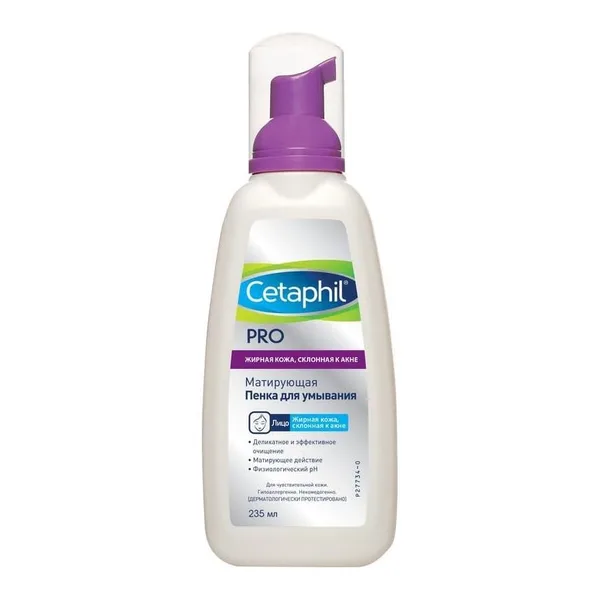
LabReadAI label score
How the score is calculated- Actives and evidence0.4Little evidence of effect
- Active concentration0.2After the 1 % line: licorice extract — the concentration is likely token
- Completeness for the purpose0.1For “sensitive skin and redness” — 9 %; zinc oxide; could be added without conflict: zinc oxide; below threshold: licorice extract; a formula with one main purpose
- Tolerance0.9Rinse-off product; debatable groups: fragrance and its allergens (skin test positive in 13 of 100 tested)
- adults
- pregnancyallowed per the leaflet
- rosacea
- sensitive skinirritation possible
- atopic skinfragrance is a common trigger
Ingredients — 17 components, 1 of them active
The rest is the formula base: it holds texture, shelf life and application, and is not meant to act.
What works: 1 of 17 ingredients: licorice extract. Sensitive skin needs soothing ingredients (panthenol, allantoin, bisabolol, centella, oatmeal, ectoin) and barrier ones (zinc oxide, ceramides, niacinamide) — one from each group — and as few irritants as possible: fragrance, alcohol, acids.
Strengths: tolerance
What lowers the score: actives and evidence: little evidence of effect; active concentration: after the 1 % line: licorice extract — the concentration is likely token; completeness for the purpose: for “sensitive skin and redness” — 9 %
Questions: fragrance and its allergens: amyl cinnamal, benzyl benzoate, citronellol, geraniol, hydroxycitronellal, linalool, fragrance — the fragrance and its aromatic components; the EU requires 26 of them to be listed separately — matters to people allergic to fragrance, does not affect how the product works
- Aqua base: coating, fillers · water — the solvent and base; listed first because there is more of it than anything else; in supplements — part of the capsule shell
- Zinc Coceth Sulfate base: coating, fillers · washes oil and dirt off skin or hair
- Glycerin base: coating, fillers · a humectant: coats the tablet, holds moisture in creams and shampoos; does not clog pores
- PEG-75 base: coating, fillers · coating glazing agent
- Amyl Cinnamal questions · the fragrance and its aromatic components; the EU requires 26 of them to be listed separately — matters to people allergic to fragrance, does not affect how the product works
- Benzyl Benzoate questions · the fragrance and its aromatic components; the EU requires 26 of them to be listed separately — matters to people allergic to fragrance, does not affect how the product works
- Citronellol questions · the fragrance and its aromatic components; the EU requires 26 of them to be listed separately — matters to people allergic to fragrance, does not affect how the product works
- Dipotassium Glycyrrhizate works · the active ingredient — what the product is for; form: dipotassium glycyrrhizate
- Disodium EDTA base: coating, fillers · bind hard-water metals so the formula stays stable and the foam works
- Geraniol questions · the fragrance and its aromatic components; the EU requires 26 of them to be listed separately — matters to people allergic to fragrance, does not affect how the product works
- Hydroxycitronellal questions · the fragrance and its aromatic components; the EU requires 26 of them to be listed separately — matters to people allergic to fragrance, does not affect how the product works
- Linalool questions · the fragrance and its aromatic components; the EU requires 26 of them to be listed separately — matters to people allergic to fragrance, does not affect how the product works
- PEG-7 Glyceryl Cocoate base: coating, fillers · cleanse and bind water with oils; milder than the sulfate ones
- PEG-40 Hydrogenated Castor Oil base: coating, fillers · coating glazing agent
- PEG-200 Hydrogenated Glyceryl Palmate base: coating, fillers · coating glazing agent
- Sodium Benzoate base: coating, fillers · a preservative both in cosmetics and in supplements: a salt of benzoic acid that works in an acidic medium. Permitted as food additive E211 and in cosmetics up to 0.5 %.
- Zinc Gluconate base: coating, fillers · amino acids, lipids and sugars akin to the skin’s own components — support for its barrier
- Parfum questions · the fragrance and its aromatic components; the EU requires 26 of them to be listed separately — matters to people allergic to fragrance, does not affect how the product works
Cetaphil PRO Oil Removing Foam Wash is a product whose active ingredient is licorice extract. The concentration is not declared; the active sits after the 1 % line, but works at small shares. There is little evidence of effect: the anti-inflammatory component of licorice; few clinical studies on its own. The formula has 17 ingredients, 1 of which does the work; the rest is the formula base. Worth noting: Amyl Cinnamal, Benzyl Benzoate, Citronellol, Geraniol, Hydroxycitronellal, Linalool, Parfum (the fragrance and its aromatic components; the EU requires 26 of them to be listed separately — matters to people allergic to fragrance, does not affect how the product works). Sensitive skin needs soothing ingredients (panthenol, allantoin, bisabolol, centella, oatmeal, ectoin) and barrier ones (zinc oxide, ceramides, niacinamide) — one from each group — and as few irritants as possible: fragrance, alcohol, acids. By the list, no alcohol (alcohol denat), sulfates (SLS/SLES), formaldehyde releasers, isothiazolinones (MIT/MCI), parabens, mineral oils and petrolatum, soap, silicones, gelatin in the coating, toning dyes, tar. Suitable for: adults, pregnancy, rosacea. sensitive skin, atopic skin — ask a doctor. fragrance allergy — not without a doctor. Use: morning and evening. When to expect an effect: redness, itching — 1–2 weeks; spots — 8–12 weeks, if at all. Label score — 2.7 out of 10 (little evidence of effect; after the 1 % line: licorice extract — the concentration is likely token; for “sensitive skin and redness” — 9 %; zinc oxide; could be added without conflict: zinc oxide; below threshold: licorice extract; a formula with one main purpose; rinse-off product; debatable groups: fragrance and its allergens (skin test positive in 13 of 100 tested)). The fragrance contains amyl cinnamal, benzyl benzoate, citronellol, geraniol, hydroxycitronellal and linalool — not suitable with a fragrance allergy.
Who it does not suit
- fragrance allergyrisk of reaction
When to stop: itching, rash — stop
Per the maker's leaflet: The fragrance contains amyl cinnamal, benzyl benzoate, citronellol, geraniol, hydroxycitronellal and linalool — not suitable with a fragrance allergy.
Is this product right for your skin?
The score describes the formula, not your skin: the same product dries one person and saves another. Describe your skin type, reactions and goals, attach a photo of the ingredient list or the product — we will go through every ingredient and say whether it suits you, what to pair it with and what to avoid.
Similar products
Same nutrient and the same purpose — closest by form and dose. Each has its own score by the same method, so you can see whether there is an option nearby that is more honest or simpler in composition.
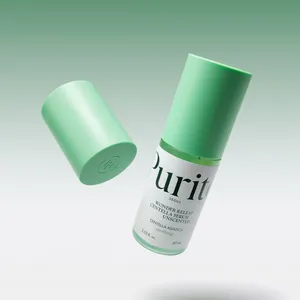 Purito SeoulPurito Seoul Wonder Releaf Centella Serum Unscented8.7
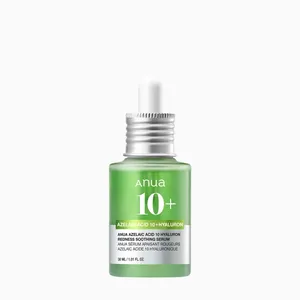 AnuaAnua Azelaic Acid 10 Hyaluron Redness Soothing Serum8.7
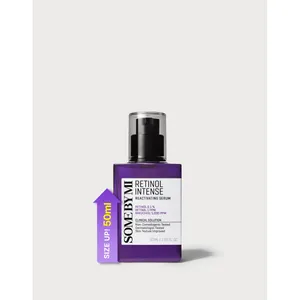 SOME BY MISOME BY MI Retinol Intense Reactivating Serum8.5
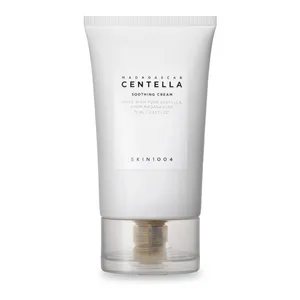 SKIN1004SKIN1004 Madagascar Centella Soothing Cream8.2
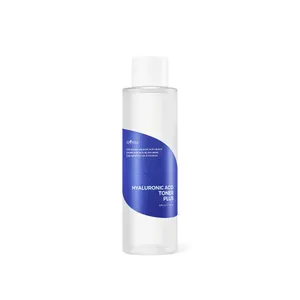 IsntreeIsntree Hyaluronic Acid Toner Plus7.4
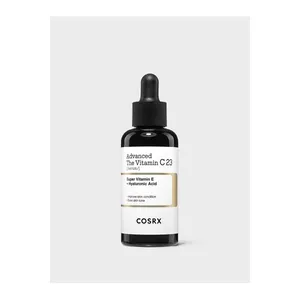 COSRXCOSRX The Vitamin C 23 Serum7.3
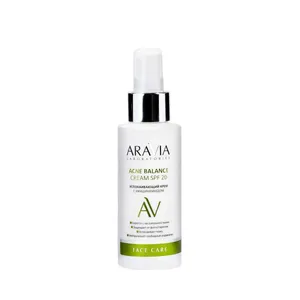 ARAVIA LaboratoriesARAVIA Laboratories Acne Balance Cream SPF 206.6
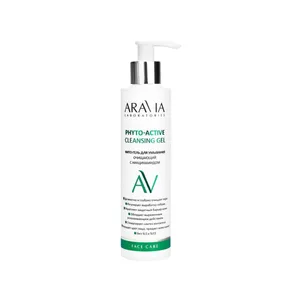 ARAVIA LaboratoriesARAVIA Laboratories Phyto-Active Cleansing Gel6.3