Formula · 7.6
Brand · 6.8
Natura Siberica · vitamin C, niacinamide and filters · Russia
Natura Siberica Oblepikha C-Berrica glow face cream SPF 20
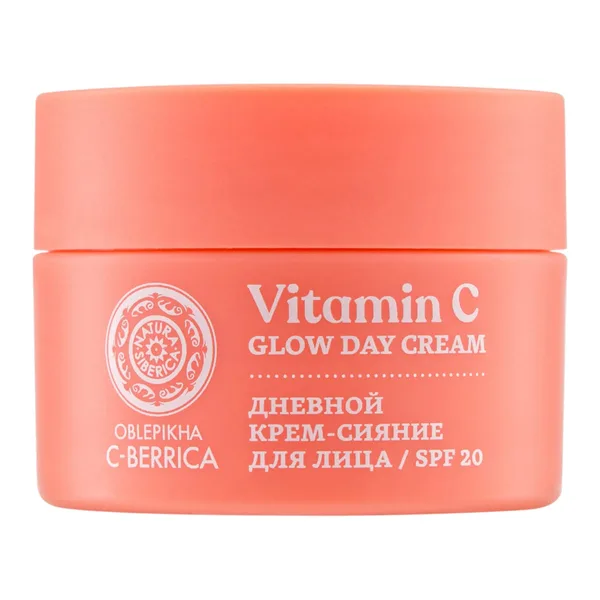
LabReadAI label score
How the score is calculated- Actives and evidence0.6Actives with strong evidence: 1 of 4
- Active concentration0.7Actives sit above the 1 % line — by list order a working concentration is 73 % likely
- Completeness for the purpose0.9For “hydration” — 95 %; below threshold: niacinamide (vitamin b3); a broad formula across 3 purposes
- Tolerance0.9Debatable ingredient groups: benzyl alcohol, fragrance and its allergens (skin test positive in 13 of 100 tested)
- adults
- pregnancyallowed per the leaflet
- oily skin
- dry skin
- sensitive skinstings at 15–20 %
- acne-proneFulton comedogenicity not measured — try with care
- rosaceaask a dermatologist
- atopic skinfragrance is a common trigger
Ingredients — 28 components, 4 of them active
The rest is the formula base: it holds texture, shelf life and application, and is not meant to act.
What works: 4 of 28 ingredients: vitamin c, niacinamide, vitamin e and 1 more. Against wrinkles the proven actives are retinoids (or bakuchiol), vitamin C with antioxidants and acids: they speed up skin renewal and stimulate collagen. Peptides and hydration are an add-on that smooths for a while.
Strengths: completeness for the purpose, tolerance
What lowers the score: actives and evidence: actives with strong evidence: 1 of 4; active concentration: actives sit above the 1 % line — by list order a working concentration is 73 % likely
Questions: titanium dioxide (E171): titanium dioxide — white coating pigment; banned as a food additive in the EU since 2022, permitted in Russia and the US; benzyl alcohol — a preservative and solvent permitted in the EU up to 1 %. It is also on the list of 26 fragrance allergens that must be declared separately, which matters to people allergic to fragrance.; fragrance and its allergens: fragrance
- Vitamin C + Vitamin E — reinforce each othervitamin C with vitamin E (and ferulic acid) protects from UV damage four times better than either alone
- Niacinamide (vitamin B3) + Vitamin C — reinforce each otherthe niacinamide–vitamin C “conflict” is a myth: conversion to nicotinic acid happens only with heat and long storage; in cosmetics they are compatible and both work against pigment
- Vitamin C + Vitamin E — reinforce each otherthe trio of 15 % vitamin C, 1 % vitamin E and 0.5 % ferulic acid protects from UV damage eight times better than any alone
- Aqua with infusions of Hippophae Rhamnoides Fruit Water base: coating, fillers · water — the solvent and base; listed first because there is more of it than anything else; in supplements — part of the capsule shell
- Achillea Asiatica Flower/Leaf/Stem Extract base: coating, fillers · draws water in and holds it in the upper layer of the skin
- Aralia Mandshurica Leaf/Stem Extract base: coating, fillers · plant and algae extracts and floral waters: flavouring and marketing components — at these shares there is no proven effect on the skin; rare reactions in people allergic to that particular plant
- Aralia Mandshurica Leaf/Stem Water base: coating, fillers · plant and algae extracts and floral waters: flavouring and marketing components — at these shares there is no proven effect on the skin; rare reactions in people allergic to that particular plant
- Usnea Barbata Extract base: coating, fillers · plant and algae extracts and floral waters: flavouring and marketing components — at these shares there is no proven effect on the skin; rare reactions in people allergic to that particular plant
- Schizandra Chinensis Extract base: coating, fillers · plant and algae extracts and floral waters: flavouring and marketing components — at these shares there is no proven effect on the skin; rare reactions in people allergic to that particular plant
- Salvia Officinalis Leaf Extract base: coating, fillers · plant and algae extracts and floral waters: flavouring and marketing components — at these shares there is no proven effect on the skin; rare reactions in people allergic to that particular plant
- Hippophae Rhamnoides Fruit Oil works · the active ingredient — what the product is for; form: fruit pulp oil (orange, palmitoleic acid)
- Ethylhexyl Methoxycinnamate base: coating, fillers · absorbs or reflects ultraviolet light to protect the skin
- Coco-Caprylate/Caprate base: coating, fillers · soften, condition and carry the actives; the backbone of the texture
- Caprylic/Capric Triglyceride base: coating, fillers · a coconut-oil fraction, a light emollient and carrier of actives; does not clog pores
- Bis-Ethylhexyloxyphenol Methoxyphenyl Triazine base: coating, fillers · absorbs or reflects ultraviolet light to protect the skin
- Diethylamino Hydroxybenzoyl Hexyl Benzoate base: coating, fillers · absorbs or reflects ultraviolet light to protect the skin
- Titanium Dioxide questions · white coating pigment; banned as a food additive in the EU since 2022, permitted in Russia and the US
- Silica base: coating, fillers · tune the acidity and texture; salt is a common shampoo thickener
- Glycerin base: coating, fillers · a humectant: coats the tablet, holds moisture in creams and shampoos; does not clog pores
- Cocoglycerides base: coating, fillers · fills the gaps between skin flakes, so the surface feels smooth
- Lecithin base: coating, fillers · fills the gaps between skin flakes, so the surface feels smooth
- Sodium Ascorbyl Phosphate works · the active ingredient — what the product is for; form: sodium ascorbyl phosphate (SAP)
- Niacinamide works · the active ingredient — what the product is for; form: niacinamide
- Tocopheryl Acetate works · the active ingredient — what the product is for; form: tocopheryl acetate (ester; in cosmetics)
- Coco-Glucoside base: coating, fillers · a sugar surfactant made from coconut oil and glucose: it cleanses gently with modest foam. A common base for baby and sulfate-free shampoos.
- Sodium Stearoyl Glutamate label wording · an allergen (sodium (salt)) — matters when limiting salt, for example with blood pressure; the label says it is absent
- Citric Acid base: coating, fillers · acidity regulator
- Benzyl Alcohol questions · a preservative and solvent permitted in the EU up to 1 %. It is also on the list of 26 fragrance allergens that must be declared separately, which matters to people allergic to fragrance.
- Sodium Benzoate base: coating, fillers · a preservative both in cosmetics and in supplements: a salt of benzoic acid that works in an acidic medium. Permitted as food additive E211 and in cosmetics up to 0.5 %.
- Potassium Sorbate base: coating, fillers · a mild preservative against mould and yeast: used both in cosmetics and in foods and supplements (E202).
- Parfum questions · the fragrance and its aromatic components; the EU requires 26 of them to be listed separately — matters to people allergic to fragrance, does not affect how the product works
Natura Siberica Oblepikha C-Berrica glow face cream SPF 20 is a product whose active ingredient is vitamin c + niacinamide (vitamin b3) + vitamin e + sea buckthorn oil. The concentration is not declared, but the active sits above the 1 % line in the list — a working share is likely. The effect is moderately supported: vitamin c. The effect is supported by studies: niacinamide (vitamin b3). There is little evidence of effect: vitamin e, sea buckthorn oil. The formula has 28 ingredients, 4 of which do the work; the rest is the formula base. Worth noting: Titanium Dioxide (white coating pigment; banned as a food additive in the EU since 2022, permitted in Russia and the US); Benzyl Alcohol (a preservative and solvent permitted in the EU up to 1 %. It is also on the list of 26 fragrance allergens that must be declared separately, which matters to people allergic to fragrance.); Parfum. Well-matched pairs in the formula: vitamin c + vitamin e; niacinamide (vitamin b3) + vitamin c; vitamin c + vitamin e. Against wrinkles the proven actives are retinoids (or bakuchiol), vitamin C with antioxidants and acids: they speed up skin renewal and stimulate collagen. Peptides and hydration are an add-on that smooths for a while. By the list, no alcohol (alcohol denat), sulfates (SLS/SLES), formaldehyde releasers, isothiazolinones (MIT/MCI), parabens, mineral oils and petrolatum, soap, silicones, gelatin in the coating, toning dyes, tar. Suitable for: adults, pregnancy, oily skin, dry skin. sensitive skin, acne-prone, rosacea, atopic skin — ask a doctor. fragrance allergy — not without a doctor. Use: in the morning under SPF. When to expect an effect: tone, glow — 4–8 weeks. Label score — 7.6 out of 10 (actives with strong evidence: 1 of 4; actives sit above the 1 % line — by list order a working concentration is 73 % likely; for “hydration” — 95 %; below threshold: niacinamide (vitamin b3); a broad formula across 3 purposes; debatable ingredient groups: benzyl alcohol, fragrance and its allergens (skin test positive in 13 of 100 tested)). SPF 20 in a day cream is not a replacement for sunscreen: it is meant for an ordinary city day, not for the beach. Fragrance and benzyl alcohol are present.
Who it does not suit
- fragrance allergyrisk of reaction
When to stop: persistent redness — stop; a darkened serum has oxidised; persistent burning — stop; rarely — contact allergy: rash, itching — stop; new comedones, itching — stop
Per the maker's leaflet: SPF 20 in a day cream is not a replacement for sunscreen: it is meant for an ordinary city day, not for the beach. Fragrance and benzyl alcohol are present.
Is this product right for your skin?
The score describes the formula, not your skin: the same product dries one person and saves another. Describe your skin type, reactions and goals, attach a photo of the ingredient list or the product — we will go through every ingredient and say whether it suits you, what to pair it with and what to avoid.
Similar products
Same nutrient and the same purpose — closest by form and dose. Each has its own score by the same method, so you can see whether there is an option nearby that is more honest or simpler in composition.
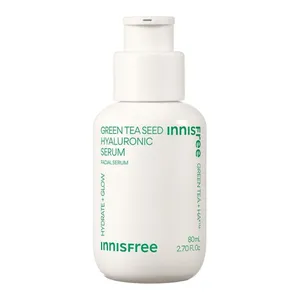 innisfreeinnisfree Green Tea Seed Hyaluronic Serum8.7
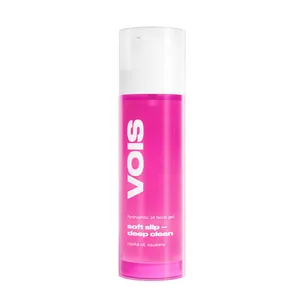 VOISVOIS Facial Foam with Hyaluronic Acid7.9
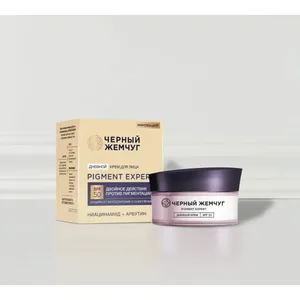 Чёрный жемчугBlack Pearl PIGMENT EXPERT Day Cream SPF 507.6
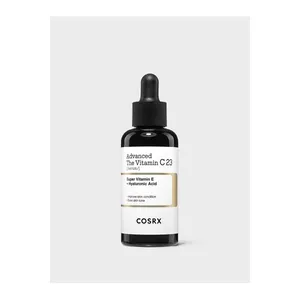 COSRXCOSRX The Vitamin C 23 Serum7.3
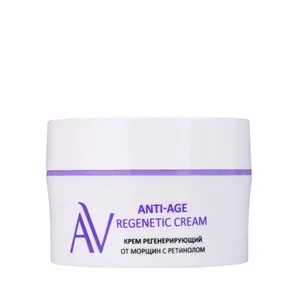 ARAVIA LaboratoriesARAVIA Laboratories Anti-Age Regenetic Cream7.1
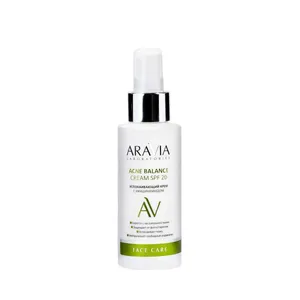 ARAVIA LaboratoriesARAVIA Laboratories Acne Balance Cream SPF 206.6
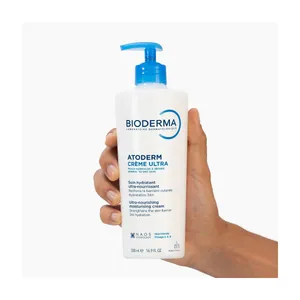 BiodermaBioderma Atoderm Crème Ultra6.3
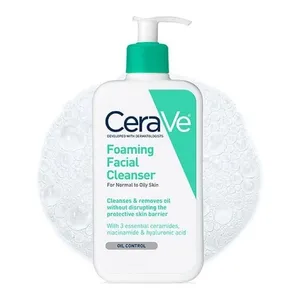 CeraVeCeraVe Foaming Facial Cleanser9.6