Formula · 7.7
Brand · 7.9
VOIS · day cream with hyaluronic acid · China
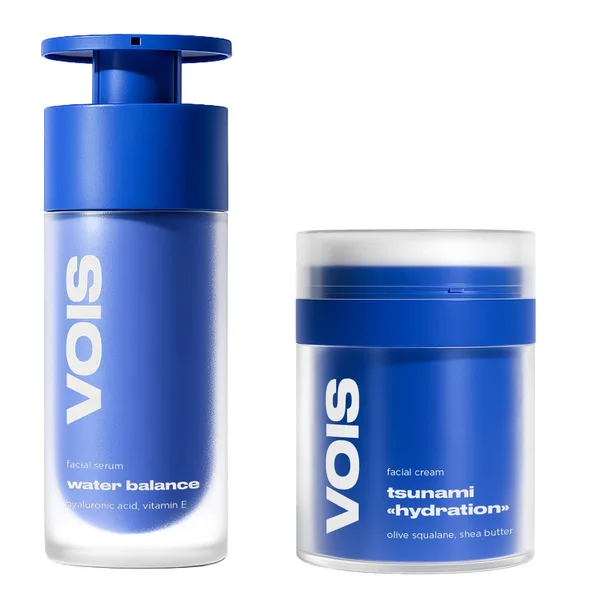
VOIS Face Cream Day
LabReadAI label score
How the score is calculated- Actives and evidence0.6Actives with strong evidence: 0 of 5
- Active concentration1.0Actives sit above the 1 % line — by list order a working concentration is 89 % likely
- Completeness for the purpose0.7For “hydration” — 74 %; below threshold: dryness and a damaged barrier; a formula with one main purpose
- Tolerance1.0No ingredients from irritant or allergen lists
- adults
- pregnancyallowed per the leaflet
- sensitive skin
- dry skin
- atopic skin
- children
- babies
- oily skin
- acne-pronemay clog pores
Ingredients — 19 components, 5 of them active
The rest is the formula base: it holds texture, shelf life and application, and is not meant to act.
What works: 5 of 19 ingredients: squalane, shea butter, hyaluronic acid and 2 more. Hydrating products draw water into the upper skin layer (glycerin, hyaluronate, panthenol, ectoin) — one humectant is enough. Without barrier ingredients (niacinamide, ceramides, oils) the effect does not last.
Strengths: active concentration, tolerance
What lowers the score: actives and evidence: actives with strong evidence: 0 of 5; completeness for the purpose: for “hydration” — 74 %
Questions: titanium dioxide (E171): titanium dioxide — white coating pigment; banned as a food additive in the EU since 2022, permitted in Russia and the US
- Aqua base: coating, fillers · water — the solvent and base; listed first because there is more of it than anything else; in supplements — part of the capsule shell
- Glycerin base: coating, fillers · a humectant: coats the tablet, holds moisture in creams and shampoos; does not clog pores
- Squalane works · the active ingredient — what the product is for; form: squalane (saturated, from olive or sugarcane)
- Cetyl Alcohol base: coating, fillers · a fatty alcohol, emulsifier and thickener; does not dry the skin — not “alcohol” in the everyday sense; rarely clogs pores
- Isononyl Isononanoate base: coating, fillers · soften, condition and carry the actives; the backbone of the texture
- Butyrospermum Parkii (Shea) Butter works · the active ingredient — what the product is for; form: butter
- Butylene Glycol base: coating, fillers · a humectant and solvent: it makes the texture lighter and helps actives spread. Better tolerated than propylene glycol.
- Glyceryl Stearate base: coating, fillers · the basic cream emulsifier (neutral NSE form); the self-emulsifying SE form with added potassium stearate is a separate entry, 3 of 5; does not clog pores
- Lauric/Myristic/Palmitic/Stearic Glycerides base: coating, fillers · softens the skin and helps it hold water — the most common role in creams
- Sodium Hyaluronate works · the active ingredient — what the product is for; form: sodium hyaluronate
- Phenoxyethanol base: coating, fillers · the most widespread cosmetic preservative: it keeps the product sterile. Permitted in the EU up to 1 %, recognised as safe at that level.
- PEG-100 Stearate base: coating, fillers · a highly ethoxylated emulsifier, the usual partner of glyceryl stearate; does not clog pores
- Polyacrylamide base: coating, fillers · leaves a thin film on skin or hair
- Xanthan Gum base: coating, fillers · hold the texture: gels, creams and foam do not separate
- C13-14 Isoparaffin base: coating, fillers · fills the gaps between skin flakes, so the surface feels smooth
- Tocopheryl Acetate works · the active ingredient — what the product is for; form: tocopheryl acetate (ester; in cosmetics)
- Hydroxyethylcellulose base: coating, fillers · hold the texture: gels, creams and foam do not separate
- Allantoin works · the active ingredient — what the product is for; form: allantoin
- Titanium Dioxide questions · white coating pigment; banned as a food additive in the EU since 2022, permitted in Russia and the US
- Laureth-7 base: coating, fillers · coating glazing agent
VOIS Face Cream Day is a product whose active ingredient is squalane + shea butter + hyaluronic acid + allantoin. The concentration is not declared, but the active sits above the 1 % line in the list — a working share is likely. There is little evidence of effect: squalane, shea butter, vitamin e. The effect is moderately supported: hyaluronic acid, allantoin. The formula has 19 ingredients, 5 of which do the work; the rest is the formula base. Worth noting: Titanium Dioxide (white coating pigment; banned as a food additive in the EU since 2022, permitted in Russia and the US). Hydrating products draw water into the upper skin layer (glycerin, hyaluronate, panthenol, ectoin) — one humectant is enough. Without barrier ingredients (niacinamide, ceramides, oils) the effect does not last. By the list, no alcohol (alcohol denat), sulfates (SLS/SLES), formaldehyde releasers, isothiazolinones (MIT/MCI), parabens, mineral oils and petrolatum, soap, silicones, fragrance, gelatin in the coating, toning dyes, tar. Suitable for: adults, pregnancy, sensitive skin, dry skin, atopic skin, children, babies, oily skin. acne-prone — ask a doctor. Use: morning and evening, as the last layer or within a cream. When to expect an effect: softness — right away; dryness — 1–2 weeks. Label score — 7.7 out of 10 (actives with strong evidence: 0 of 5; actives sit above the 1 % line — by list order a working concentration is 89 % likely; for “hydration” — 74 %; below threshold: dryness and a damaged barrier; a formula with one main purpose).
Who it does not suit
When to stop: new comedones — stop; tightness in dry air — apply under a cream; rarely — contact allergy: rash, itching — stop
Is this product right for your skin?
The score describes the formula, not your skin: the same product dries one person and saves another. Describe your skin type, reactions and goals, attach a photo of the ingredient list or the product — we will go through every ingredient and say whether it suits you, what to pair it with and what to avoid.
Similar products
Same nutrient and the same purpose — closest by form and dose. Each has its own score by the same method, so you can see whether there is an option nearby that is more honest or simpler in composition.
 innisfreeinnisfree Green Tea Seed Hyaluronic Serum8.7
 VOISVOIS Facial Foam with Hyaluronic Acid7.9
 Чёрный жемчугBlack Pearl PIGMENT EXPERT Day Cream SPF 507.6
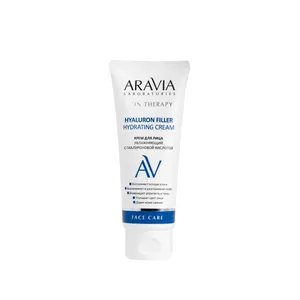 ARAVIA LaboratoriesARAVIA Laboratories Hyaluron Filler Hydrating Cream7.6
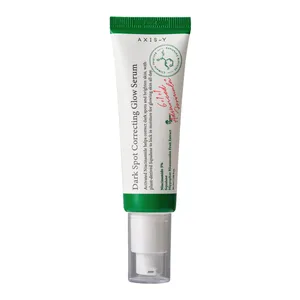 AXIS-YAXIS-Y Dark Spot Correcting Glow Serum7.2
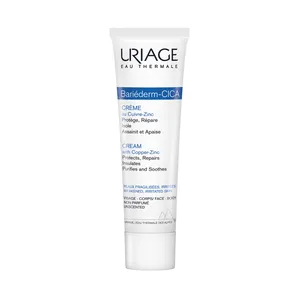 UriageUriage Bariéderm-CICA Crème8.8
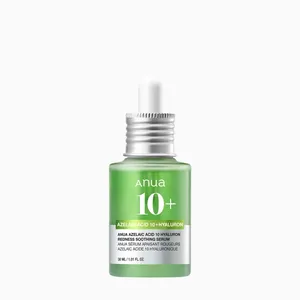 AnuaAnua Azelaic Acid 10 Hyaluron Redness Soothing Serum8.7
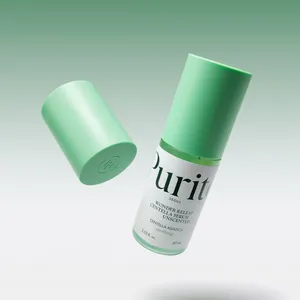 Purito SeoulPurito Seoul Wonder Releaf Centella Serum Unscented8.7