Formula · 5.9
Brand · 6.7
NIVEA · avocado oil and vitamin E · Germany
NIVEA Intensive Care Hand Cream
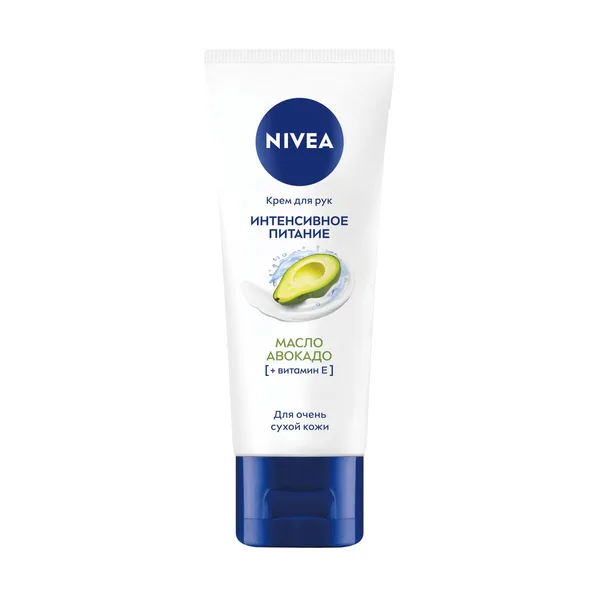
LabReadAI label score
How the score is calculated- Actives and evidence0.4Little evidence of effect
- Active concentration1.0The active sits above the 1 % line — by list order a working concentration is 100 % likely
- Completeness for the purpose0.7For “dryness and a damaged barrier” — 67 %; without ceramides — the bricks of the barrier; could be added without conflict: ceramides; a formula with one main purpose
- Tolerance0.4Debatable ingredient groups: benzyl alcohol, BHT and BHA (antioxidants), parabens (skin test positive in 1 of 100 tested), fragrance and its allergens (skin test positive in 13 of 100 tested); comedogenic ingredients at a notable share (may clog pores): avocado oil, myristic acid, myristyl myristate
- adults
- pregnancyallowed per the leaflet
- dry skin
- sensitive skinirritation possible
- acne-pronemay clog pores in leave-on face products
- prone to contact allergya rare but known allergen
- atopic skinfragrance is a common trigger
Ingredients — 27 components, 1 of them active
The rest is the formula base: it holds texture, shelf life and application, and is not meant to act.
What works: 1 of 27 ingredients: vitamin e. Dry skin needs three things at once: draw water in (glycerin, hyaluronate), rebuild the barrier (ceramides with cholesterol, panthenol) and seal moisture with a film (petrolatum, oils). One of the three is half the job.
Strengths: active concentration
What lowers the score: actives and evidence: little evidence of effect; completeness for the purpose: for “dryness and a damaged barrier” — 67 %; tolerance: debatable ingredient groups: benzyl alcohol, bht and bha, parabens, fragrance and its allergens
Questions: parabens: methylparaben — preservatives; methyl- and ethylparaben are recognised as safe at permitted levels, propyl- and butyl- are limited by the EU to 0.14 %; a frequent buyer question rather than proven harm; fragrance and its allergens: linalool, citronellol, alpha-isomethyl ionone, limonene, benzyl salicylate, fragrance — the fragrance and its aromatic components; the EU requires 26 of them to be listed separately — matters to people allergic to fragrance, does not affect how the product works; benzyl alcohol; BHT and BHA (antioxidants): bht
- Aqua base: coating, fillers · water — the solvent and base; listed first because there is more of it than anything else; in supplements — part of the capsule shell
- Glycerin base: coating, fillers · a humectant: coats the tablet, holds moisture in creams and shampoos; does not clog pores
- Myristyl Alcohol base: coating, fillers · a fatty alcohol (C14), an emulsifier; the most irritating of the fatty alcohols; rarely clogs pores in leave-on face products
- Myristyl Myristate base: coating, fillers · emollient/base; may clog pores in leave-on face products
- Palmitic Acid base: coating, fillers · a fatty acid (C16), a thickener and soap component; rarely clogs pores in leave-on face products
- Stearic Acid base: coating, fillers · in tablets — a pressing lubricant, in creams — a thickener and soap component; rarely clogs pores in leave-on face products
- Persea Gratissima Oil base: coating, fillers · a rich nourishing oil; may clog pores in leave-on face products
- Vitis Vinifera Seed Oil base: coating, fillers · the plant base: emollient oils, waxes and care extracts
- Tocopheryl Acetate works · the active ingredient — what the product is for; form: tocopheryl acetate (ester; in cosmetics)
- Hydrogenated Coco-Glycerides base: coating, fillers · the plant base: emollient oils, waxes and care extracts
- Paraffinum Liquidum base: coating, fillers · purified cosmetic-grade petroleum products: form a protective barrier film; safety is established, a preference question; 0–2 of 5 (depends on the raw-material source), cosmetic white oil per DiNardo (2005) is non-comedogenic
- Dimethicone base: coating, fillers · form a smooth film and shine; inert and not absorbed — a preference question, not a safety one
- Myristic Acid base: coating, fillers · a fatty acid (C14), gives dense foam in cleansers; may clog pores in leave-on face products
- Arachidic Acid base: coating, fillers · a saturated fatty acid from plant oils: a thickener and part of the emulsifier; no data on pore clogging
- Oleic Acid base: coating, fillers · a fatty acid (the main one in olive oil): an emollient and part of the emulsifier; rarely clogs pores in leave-on face products
- Phenoxyethanol base: coating, fillers · the most widespread cosmetic preservative: it keeps the product sterile. Permitted in the EU up to 1 %, recognised as safe at that level.
- Carbomer base: coating, fillers · hold the texture: gels, creams and foam do not separate
- Sodium Hydroxide base: coating, fillers · tune the acidity and texture; salt is a common shampoo thickener
- Methylparaben questions · preservatives; methyl- and ethylparaben are recognised as safe at permitted levels, propyl- and butyl- are limited by the EU to 0.14 %; a frequent buyer question rather than proven harm
- Trisodium EDTA base: coating, fillers · binds traces of metal from water that would spoil the product
- Linalool questions · the fragrance and its aromatic components; the EU requires 26 of them to be listed separately — matters to people allergic to fragrance, does not affect how the product works
- Citronellol questions · the fragrance and its aromatic components; the EU requires 26 of them to be listed separately — matters to people allergic to fragrance, does not affect how the product works
- Alpha-Isomethyl Ionone questions · the fragrance and its aromatic components; the EU requires 26 of them to be listed separately — matters to people allergic to fragrance, does not affect how the product works
- Benzyl Alcohol questions · a preservative and solvent permitted in the EU up to 1 %. It is also on the list of 26 fragrance allergens that must be declared separately, which matters to people allergic to fragrance.
- Limonene questions · the fragrance and its aromatic components; the EU requires 26 of them to be listed separately — matters to people allergic to fragrance, does not affect how the product works
- Benzyl Salicylate questions · the fragrance and its aromatic components; the EU requires 26 of them to be listed separately — matters to people allergic to fragrance, does not affect how the product works
- BHT questions · antioxidants that keep oils from going rancid: hundredths of a percent in cosmetics, and E321 and E320 in supplements. A frequent buyer question, with no proven harm at these levels.
- Parfum questions · the fragrance and its aromatic components; the EU requires 26 of them to be listed separately — matters to people allergic to fragrance, does not affect how the product works
NIVEA Intensive Care Hand Cream is a product whose active ingredient is vitamin e. The concentration is not declared, but the active sits above the 1 % line in the list — a working share is likely. There is little evidence of effect: an antioxidant: protects the formula oils from going rancid; alone changes skin little. The formula has 27 ingredients, 1 of which does the work; the rest is the formula base. Worth noting: Methylparaben (preservatives; methyl- and ethylparaben are recognised as safe at permitted levels, propyl- and butyl- are limited by the EU to 0.14 %; a frequent buyer question rather than proven harm); Linalool, Citronellol, Alpha-Isomethyl Ionone, Limonene, Benzyl Salicylate, Parfum (the fragrance and its aromatic components; the EU requires 26 of them to be listed separately — matters to people allergic to fragrance, does not affect how the product works); Benzyl Alcohol; BHT. Dry skin needs three things at once: draw water in (glycerin, hyaluronate), rebuild the barrier (ceramides with cholesterol, panthenol) and seal moisture with a film (petrolatum, oils). One of the three is half the job. By the list, no alcohol (alcohol denat), sulfates (SLS/SLES), formaldehyde releasers, isothiazolinones (MIT/MCI), soap, gelatin in the coating, toning dyes, tar. Suitable for: adults, pregnancy, dry skin. sensitive skin, acne-prone, prone to contact allergy, atopic skin — ask a doctor. fragrance allergy — not without a doctor. Use: morning and evening. When to expect an effect: gives no visible effect alone — protects the formula's oils. Label score — 5.9 out of 10 (little evidence of effect; for “dryness and a damaged barrier” — 67 %; without ceramides — the bricks of the barrier; could be added without conflict: ceramides; a formula with one main purpose; debatable ingredient groups: benzyl alcohol, bht and bha (antioxidants), parabens (skin test positive in 1 of 100 tested), fragrance and its allergens (skin test positive in 13 of 100 tested); comedogenic ingredients at a notable share (may clog pores): avocado oil, myristic acid, myristyl myristate). Fragrance with linalool, citronellol, limonene and benzyl salicylate plus methylparaben: not suitable with a fragrance or paraben allergy.
Who it does not suit
- fragrance allergyrisk of reaction
When to stop: rarely — contact allergy: rash, itching — stop
Per the maker's leaflet: Fragrance with linalool, citronellol, limonene and benzyl salicylate plus methylparaben: not suitable with a fragrance or paraben allergy.
Is this product right for your skin?
The score describes the formula, not your skin: the same product dries one person and saves another. Describe your skin type, reactions and goals, attach a photo of the ingredient list or the product — we will go through every ingredient and say whether it suits you, what to pair it with and what to avoid.
Similar products
Same nutrient and the same purpose — closest by form and dose. Each has its own score by the same method, so you can see whether there is an option nearby that is more honest or simpler in composition.
 UriageUriage Bariéderm-CICA Crème8.8
 VOISVOIS Facial Foam with Hyaluronic Acid7.9
 VOISVOIS Face Cream Day7.7
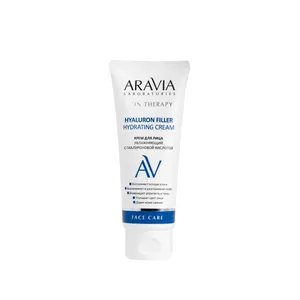 ARAVIA LaboratoriesARAVIA Laboratories Hyaluron Filler Hydrating Cream7.6
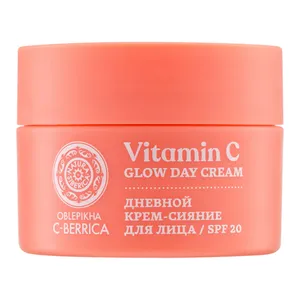 Natura SibericaNatura Siberica Oblepikha C-Berrica glow face cream SPF 207.6
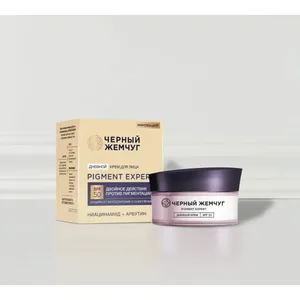 Чёрный жемчугBlack Pearl PIGMENT EXPERT Day Cream SPF 507.6
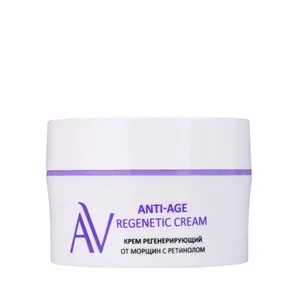 ARAVIA LaboratoriesARAVIA Laboratories Anti-Age Regenetic Cream7.1
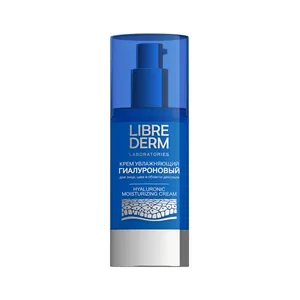 LibredermLIBREDERM Hyaluronic moisturising cream for face, neck and décolleté6.9