Formula · 9.2
Brand · 8.1
The Ordinary · retinoid 2% (granactive + retinol) · Canada
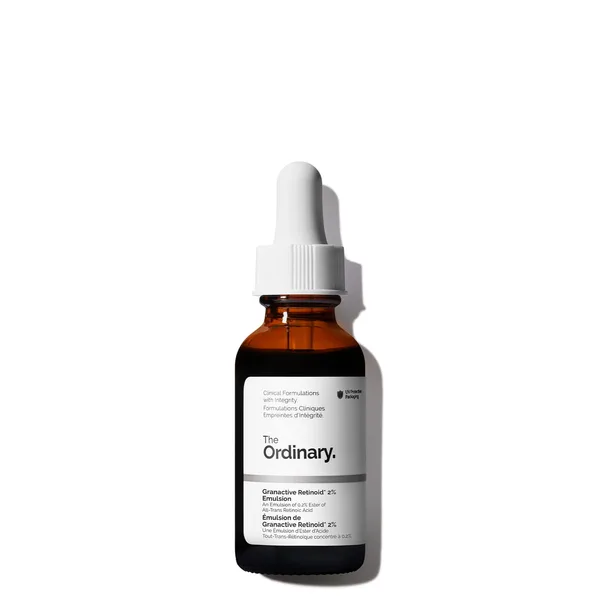
The Ordinary Granactive Retinoid 2% Emulsion
LabReadAI label score
How the score is calculated- Actives and evidence0.8Effect moderately supported
- Active concentration1.0Concentration within the working range
- Completeness for the purpose1.0For “skin texture and pores” — 100 %; glycolic acid; without niacinamide, which makes pores less visible; could be added without conflict: niacinamide (vitamin b3); a broad formula across 4 purposes
- Tolerance1.0No ingredients from irritant or allergen lists
- adults
- breastfeedingask a doctor
- sensitive skinstart low
- rosaceaask a dermatologist
- before sunSPF is a must in the daytime
Ingredients — 29 components, 1 of them active
The rest is the formula base: it holds texture, shelf life and application, and is not meant to act.
What works: 1 of 29 ingredients: retinoid. Acne products work on four fronts: dissolve plugs (acids), calm inflammation (azelaic acid, niacinamide, zinc), kill bacteria (benzoyl peroxide, tea tree) and prevent new plugs (a retinoid). One active per front is enough; two or three different fronts work noticeably better.
Strengths: active concentration, completeness for the purpose, tolerance
What lowers the score: actives and evidence: effect moderately supported
Questions: carrageenan — a thickener from red seaweed. It is permitted but debated: in animal studies the degraded form irritated the gut, so people with inflammatory bowel disease are sometimes advised to avoid it. For food-grade carrageenan there is no such proof.
- AQUA (WATER base: coating, fillers · water — the solvent and base; listed first because there is more of it than anything else; in supplements — part of the capsule shell
- GLYCERIN base: coating, fillers · a humectant: coats the tablet, holds moisture in creams and shampoos; does not clog pores
- ETHYL LINOLEATE base: coating, fillers · soften, condition and carry the actives; the backbone of the texture
- PROPANEDIOL base: coating, fillers · a humectant and solvent from corn sugar: it holds water and helps actives dissolve. A gentler replacement for propylene glycol.
- CAPRYLIC/CAPRIC TRIGLYCERIDE base: coating, fillers · a coconut-oil fraction, a light emollient and carrier of actives; does not clog pores
- DIMETHYL ISOSORBIDE base: coating, fillers · soften, condition and carry the actives; the backbone of the texture
- CETEARYL ISONONANOATE base: coating, fillers · soften, condition and carry the actives; the backbone of the texture
- BISABOLOL base: coating, fillers · amino acids, lipids and sugars akin to the skin’s own components — support for its barrier
- HYDROXYPINACOLONE RETINOATE works · the active ingredient — what the product is for; form: hydroxypinacolone retinoate + retinol
- RETINOL works · the active ingredient — what the product is for; form: hydroxypinacolone retinoate + retinol
- TASMANNIA LANCEOLATA FRUIT/LEAF EXTRACT base: coating, fillers · the plant base: emollient oils, waxes and care extracts
- INULIN LAURYL CARBAMATE base: coating, fillers · hold the texture: gels, creams and foam do not separate
- GLYCERYL STEARATE base: coating, fillers · the basic cream emulsifier (neutral NSE form); the self-emulsifying SE form with added potassium stearate is a separate entry, 3 of 5; does not clog pores
- CETEARETH-12 base: coating, fillers · cleanse and bind water with oils; milder than the sulfate ones
- CETEARETH-20 base: coating, fillers · an ethoxylated cream emulsifier; paired with cetearyl alcohol — 4 of 5; rarely clogs pores in leave-on face products
- CETEARYL ALCOHOL base: coating, fillers · a fatty-alcohol blend (C16–C18), an emulsifier and thickener, does not dry the skin; paired with ceteareth-20 — 4 of 5; rarely clogs pores in leave-on face products
- CARRAGEENAN questions · a thickener from red seaweed. It is permitted but debated: in animal studies the degraded form irritated the gut, so people with inflammatory bowel disease are sometimes advised to avoid it. For food-grade carrageenan there is no such proof.
- XANTHAN GUM base: coating, fillers · hold the texture: gels, creams and foam do not separate
- ACACIA SENEGAL GUM base: coating, fillers · hold the texture: gels, creams and foam do not separate
- CETYL PALMITATE base: coating, fillers · a wax ester, a thickener and emollient; does not clog pores
- SUCROSE LAURATE base: coating, fillers · cleanse and bind water with oils; milder than the sulfate ones
- POLYSORBATE 20 base: coating, fillers · cleanse and bind water with oils; milder than the sulfate ones
- ISOCETETH-20 base: coating, fillers · cleanse and bind water with oils; milder than the sulfate ones
- BEHENTRIMONIUM CHLORIDE base: coating, fillers · soften, condition and carry the actives; the backbone of the texture
- TRISODIUM ETHYLENEDIAMINE DISUCCINATE base: coating, fillers · bind hard-water metals so the formula stays stable and the foam works
- DISODIUM EDTA base: coating, fillers · bind hard-water metals so the formula stays stable and the foam works
- DEHYDROACETIC ACID base: coating, fillers · a preservative against yeast and mould, often paired with benzyl alcohol. Permitted in the EU up to 0.6 %.
- BENZOIC ACID base: coating, fillers · protect the product from bacteria and mould; used within the EU-permitted concentrations
- ETHYLHEXYLGLYCERIN base: coating, fillers · a preservative booster and skin-conditioning ingredient: it barely preserves on its own but helps phenoxyethanol work and lowers the amount needed.
- PHENOXYETHANOL base: coating, fillers · the most widespread cosmetic preservative: it keeps the product sterile. Permitted in the EU up to 1 %, recognised as safe at that level.
- CHLORPHENESIN base: coating, fillers · a preservative, usually paired with phenoxyethanol. Permitted in the EU up to 0.3 %.
The Ordinary Granactive Retinoid 2% Emulsion is a product whose active ingredient is retinoid at a declared 2 %. The effect is moderately supported: hydroxypinacolone retinoate: gentler than retinol, fewer clinical data. The formula has 29 ingredients, 1 of which does the work; the rest is the formula base. Worth noting: Carrageenan (a thickener from red seaweed. It is permitted but debated: in animal studies the degraded form irritated the gut, so people with inflammatory bowel disease are sometimes advised to avoid it. For food-grade carrageenan there is no such proof.). Acne products work on four fronts: dissolve plugs (acids), calm inflammation (azelaic acid, niacinamide, zinc), kill bacteria (benzoyl peroxide, tea tree) and prevent new plugs (a retinoid). One active per front is enough; two or three different fronts work noticeably better. By the list, no alcohol (alcohol denat), sulfates (SLS/SLES), formaldehyde releasers, isothiazolinones (MIT/MCI), parabens, mineral oils and petrolatum, soap, silicones, fragrance, gelatin in the coating, toning dyes, tar. Suitable for: adults. breastfeeding, sensitive skin, rosacea, before sun — ask a doctor. pregnancy — not without a doctor. Use: at night; start twice a week, SPF in the daytime. When to expect an effect: wrinkles, tone — 8–12 weeks; acne — 6–8. Label score — 9.2 out of 10 (effect moderately supported). Retinoids are evening care; the maker notes daytime SPF on the pack. A restatement of the label, not an assessment.
Who it does not suit
- pregnancydo not use
When to stop: strong burning, swelling — stop
Per the maker's leaflet: Retinoids are evening care; the maker notes daytime SPF on the pack. A restatement of the label, not an assessment.
Is this product right for your skin?
The score describes the formula, not your skin: the same product dries one person and saves another. Describe your skin type, reactions and goals, attach a photo of the ingredient list or the product — we will go through every ingredient and say whether it suits you, what to pair it with and what to avoid.
Similar products
Same nutrient and the same purpose — closest by form and dose. Each has its own score by the same method, so you can see whether there is an option nearby that is more honest or simpler in composition.
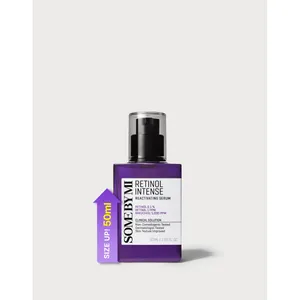 SOME BY MISOME BY MI Retinol Intense Reactivating Serum8.5
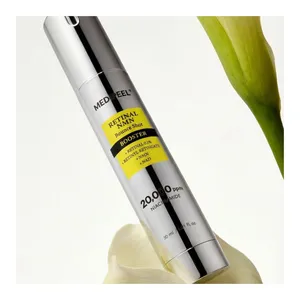 MEDI-PEELMEDI-PEEL Retinal NMN Bounce Shot Booster8.2
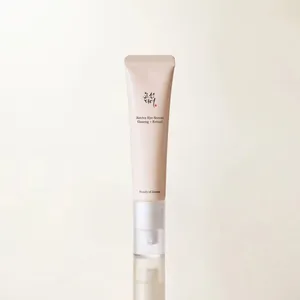 Beauty of JoseonBeauty of Joseon Revive Eye Serum: Ginseng + Retinal8.1
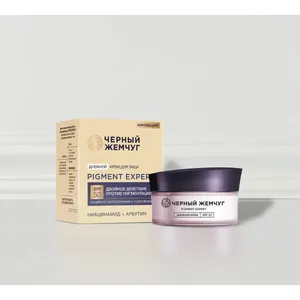 Чёрный жемчугBlack Pearl PIGMENT EXPERT Night Cream-Mask8.0
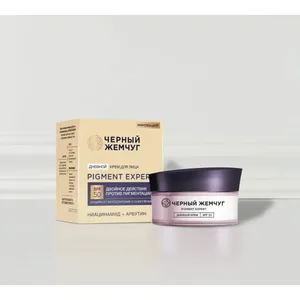 Чёрный жемчугBlack Pearl PIGMENT EXPERT Day Cream SPF 507.6
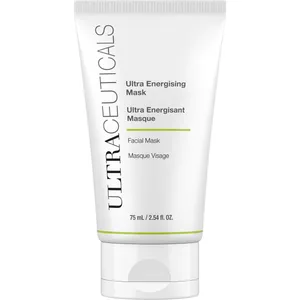 UltraceuticalsUltraceuticals Ultra Energising Mask7.4
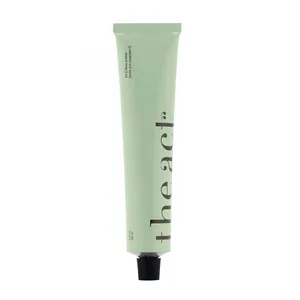 The ActThe Act Vitamin C Face Cream7.1
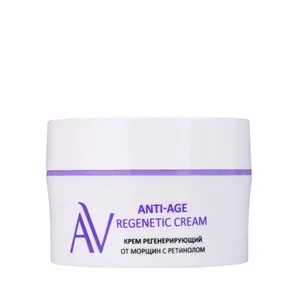 ARAVIA LaboratoriesARAVIA Laboratories Anti-Age Regenetic Cream7.1