Type 2 Diabetes: Symptoms, Diagnosis and Treatment
Reviewed by the LabReadAI medical team
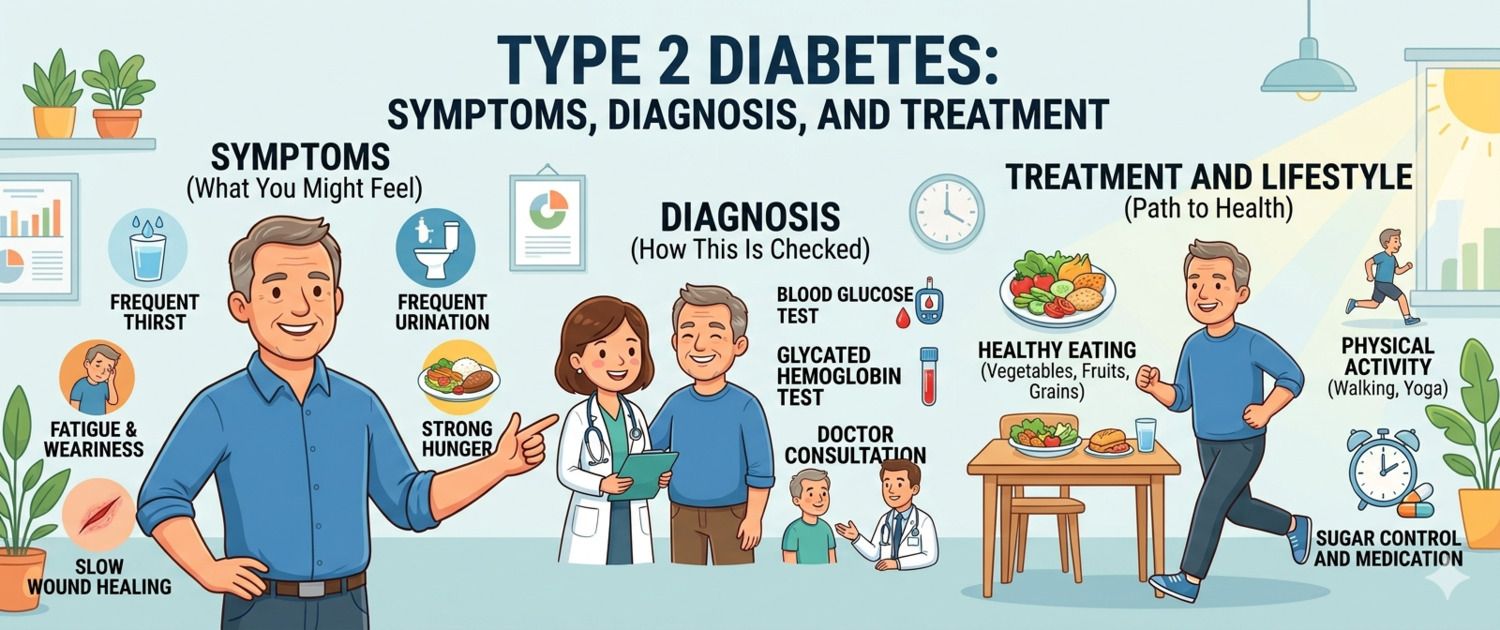
Thirst that won't go away, afternoon fatigue, and wounds that take longer to heal than they used to — it's easy to blame stress and aging. Yet type 2 diabetes can develop silently for years, and many people discover it by chance from a routine blood test. Let's break down the mechanism, the warning signs, and what lab results look like in diabetes.
What Is Type 2 Diabetes: Insulin Resistance and How It Differs from Type 1
Type 2 diabetes is a disorder of glucose metabolism driven by insulin resistance. Think of insulin as a key and cell receptors as locks. In type 2 diabetes the locks have "rusted": insulin is present — often in excess — but cells stop responding to it. Glucose can't get in and accumulates in the blood.
In type 1 diabetes the immune system destroys insulin-producing cells and there is no insulin at all. Type 2 is a lifestyle and genetic condition — and it can often be controlled without insulin.
Risk Factors: Who Is at Risk
Risk is significantly higher with: excess body weight and obesity — especially abdominal fat; age over 45; family history of diabetes; gestational diabetes; physical inactivity and poor diet; polycystic ovary syndrome; high blood pressure and lipid profile abnormalities.
Symptoms of Type 2 Diabetes
Type 2 diabetes may be asymptomatic for 5–10 years. When symptoms appear: frequent heavy urination and constant thirst (kidneys flush excess glucose with water); chronic fatigue; slow wound healing; recurrent infections; vision changes; numbness and tingling in the feet — an early sign of neuropathy.
Diagnosis: Normal Blood Sugar Levels and Tests That Confirm Diabetes
Fasting Blood Glucose
| Result | Interpretation |
|---|---|
| < 6.1 mmol/L | Normal |
| 6.1–6.9 mmol/L | Impaired fasting glucose (prediabetes) |
| ≥ 7.0 mmol/L | Diabetes (confirmed on two occasions) |
Glycated Hemoglobin (HbA1c)
HbA1c reflects average glucose over the past 2–3 months and is independent of recent meals — making it the key marker for both diagnosis and treatment monitoring.
| HbA1c | Interpretation |
|---|---|
| < 5.7% | Normal |
| 5.7–6.4% | Prediabetes |
| ≥ 6.5% | Diabetes |
| < 7.0% | Treatment target |
Oral Glucose Tolerance Test (OGTT)
Blood glucose measured 2 hours after drinking 75 g of glucose. Detects impaired glucose tolerance — a form of prediabetes that fasting glucose alone can miss.
Additional Tests Important in Type 2 Diabetes
Lipid panel — type 2 diabetes almost always raises triglycerides and lowers HDL, sharply increasing cardiovascular risk.
Kidney function test with creatinine — diabetic nephropathy develops in 30–40% of patients. Early stages are detected by microalbuminuria and GFR.
Treatment of Type 2 Diabetes
The goal is to keep HbA1c below 7%. Losing 5–10% of body weight reduces HbA1c by 1–2% — comparable to medication. More on non-drug ways to lower blood sugar in a dedicated article. Metformin is the first-line drug. Insulin in type 2 diabetes is started when the pancreas exhausts its reserves over the long course of disease.
Complications If Diabetes Is Untreated
Chronically high glucose damages blood vessels, leading to: diabetic retinopathy (a leading cause of blindness); diabetic nephropathy; neuropathy and diabetic foot syndrome; atherosclerosis — heart attack and stroke risk is 2–4 times higher.
When to See a Doctor Urgently
Immediately if: glucose above 16–17 mmol/L with nausea and vomiting — possible ketoacidosis; sudden hypoglycemia (trembling, cold sweat, confusion); non-healing foot ulcers for more than 2 weeks; newly found glucose ≥ 7.0 mmol/L — schedule a consultation.
Summary
Type 2 diabetes is a manageable chronic condition. The earlier it is caught, the greater the chance of controlling it through lifestyle change. Key tests: fasting glucose and HbA1c. If you are at risk and haven't checked your blood sugar in the past 2 years — now is the time.
This article is for informational purposes only. Interpretation of test results and treatment decisions are the responsibility of a physician.
For informational purposes only
This article is for informational purposes only and does not constitute medical advice, diagnosis, or treatment. Please consult a healthcare professional for medical guidance.